
W E I N T E N D E D T O S I N G T H E L O V E O F
D A N G E R, T H E H A B I T O F E N E R G Y
A N D F E A R L E S S N E S S
The relationship between architecture and human behaviour has long been a central concern in Lars Ø Ramberg’s work. For the São Paulo Biennial, curated under the theme How to Live Together, Ramberg turned his attention to Brazilian Futurist architecture and, in particular, to the personal and professional relationship between two architects from different generations and geographies: Oscar Niemeyer and Matti Suuronen.
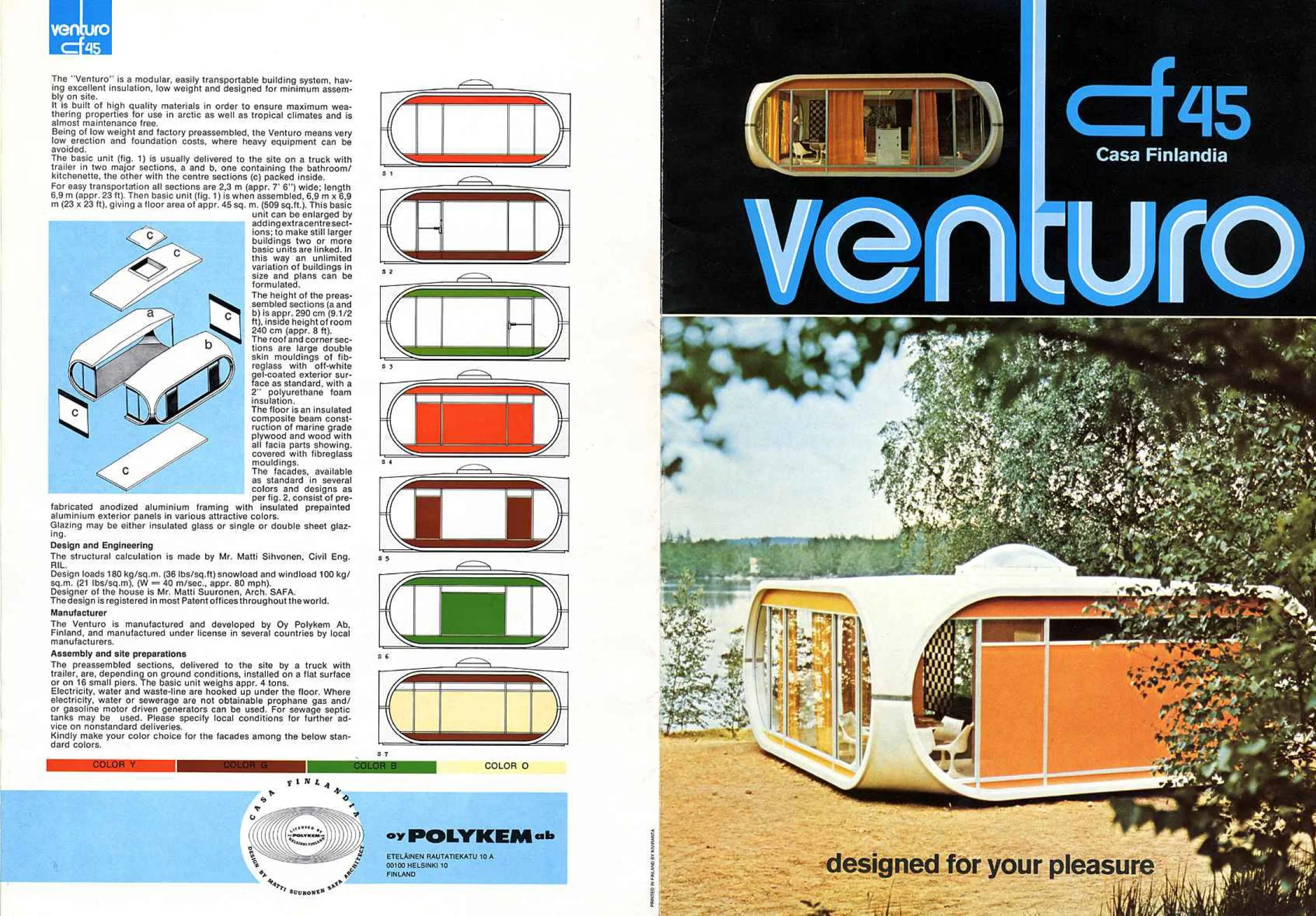
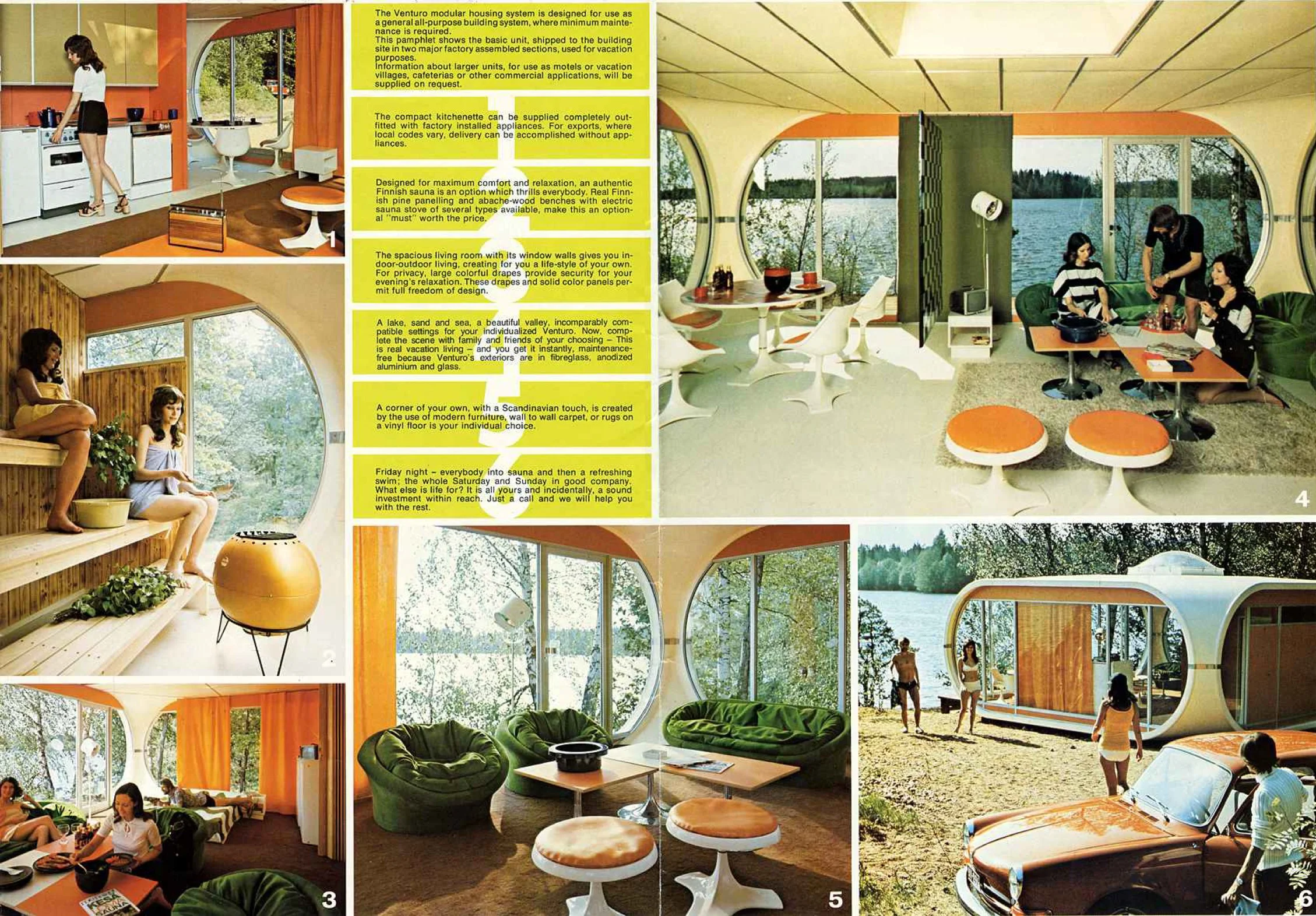
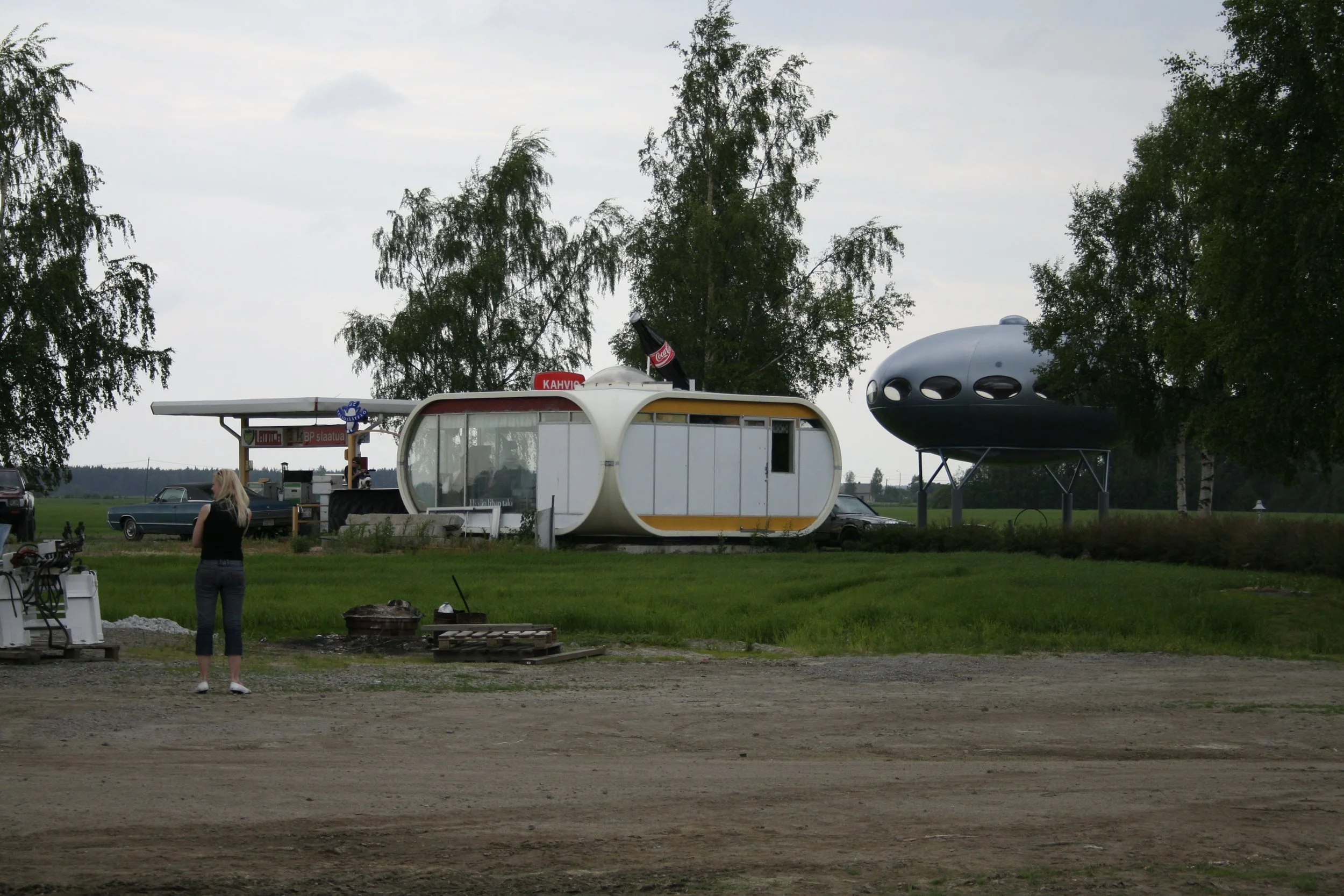
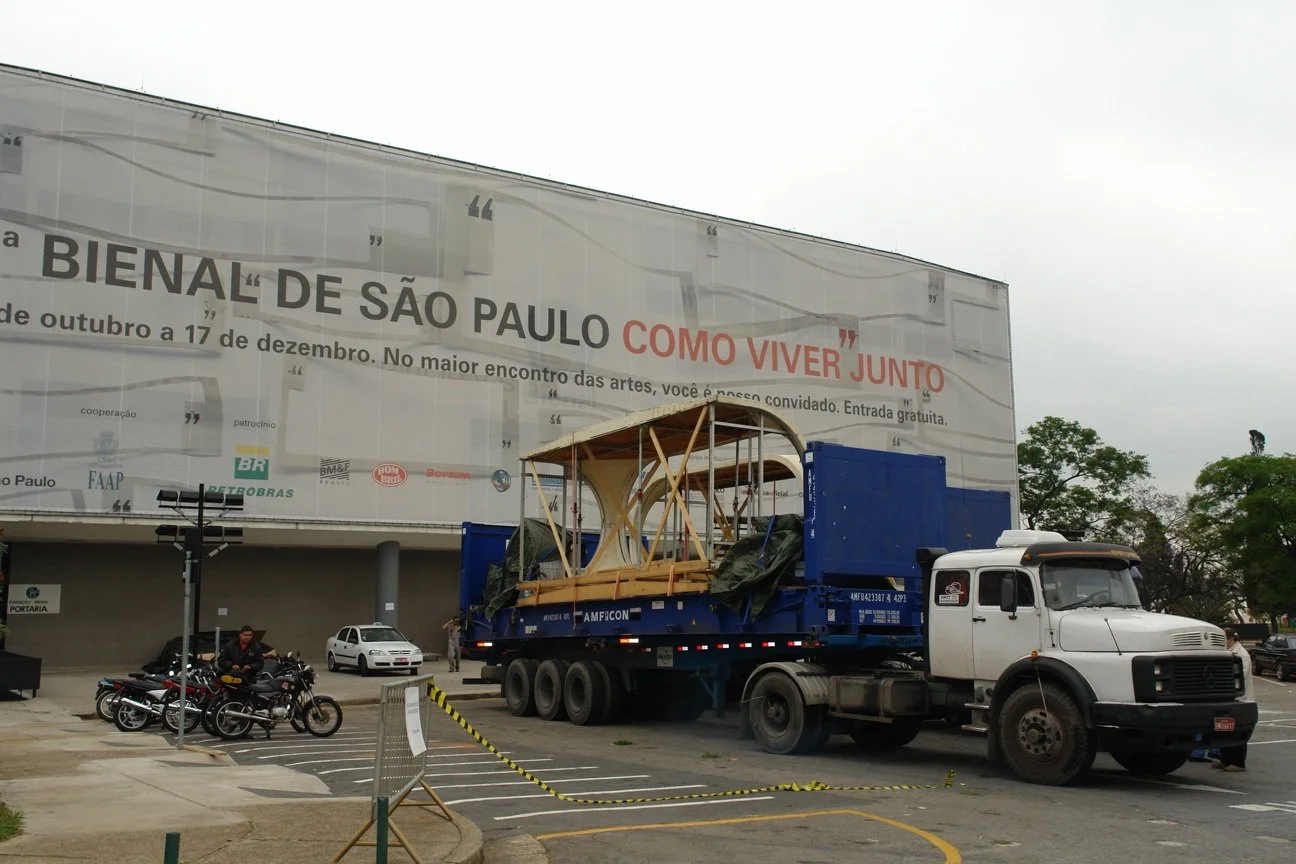
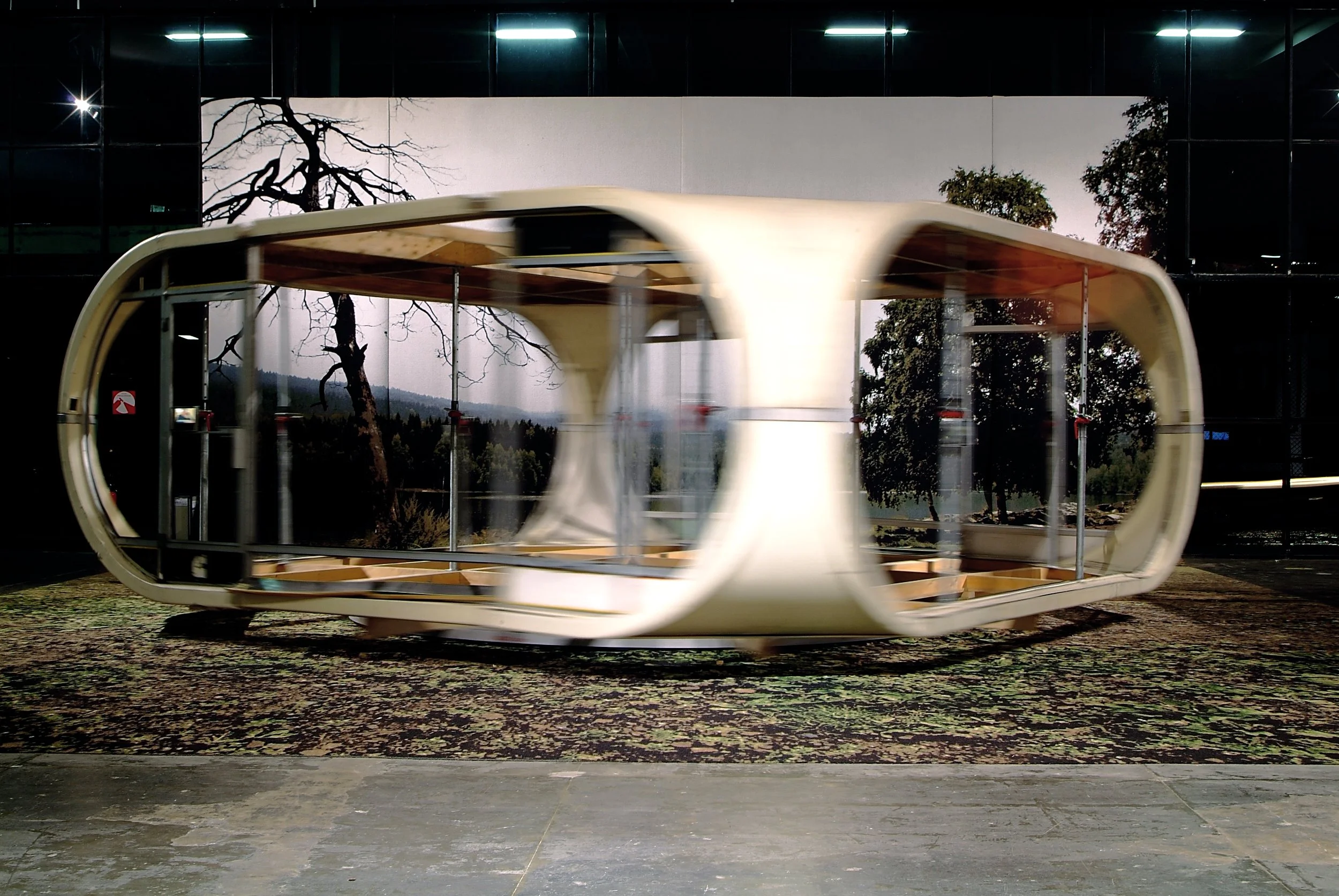
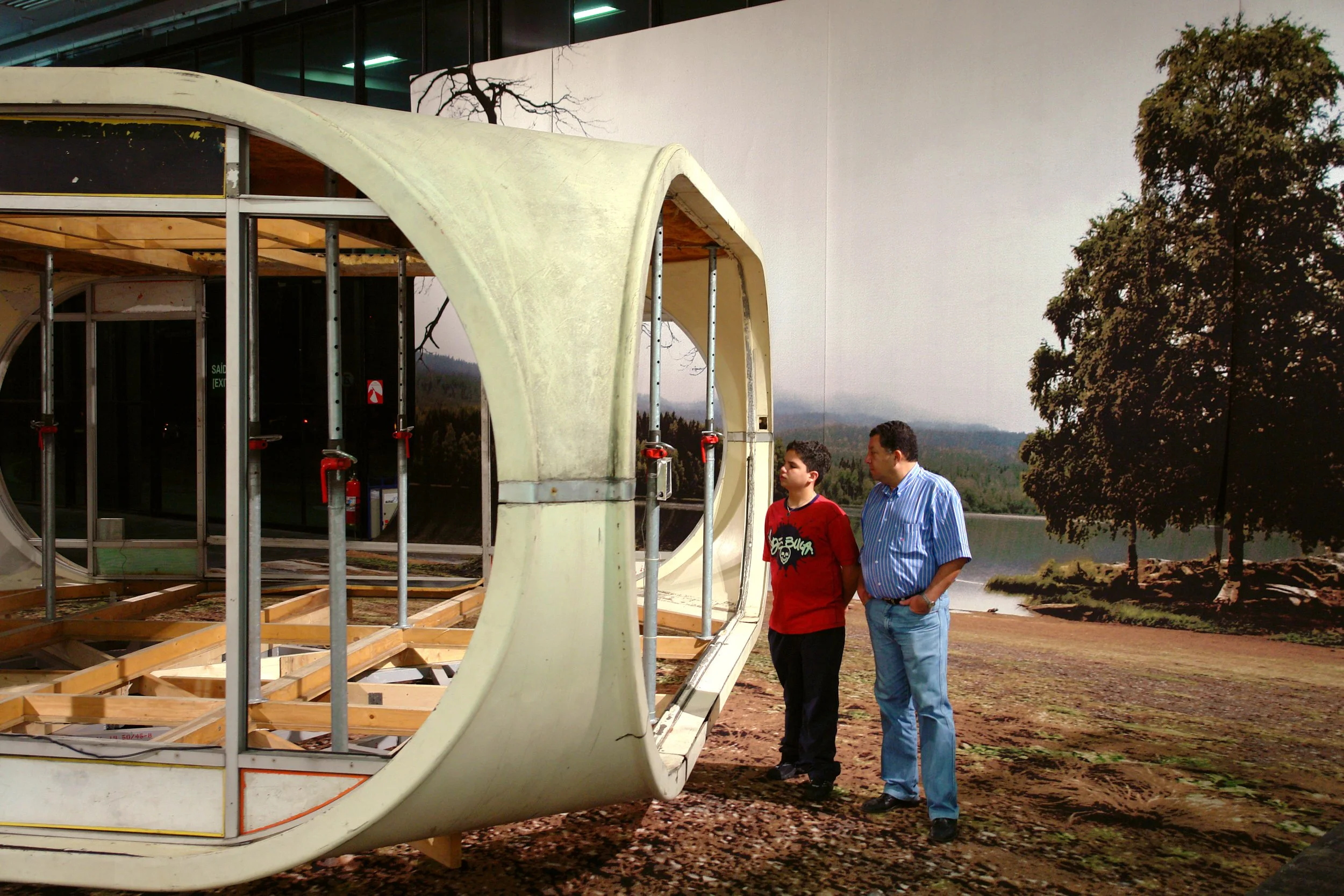
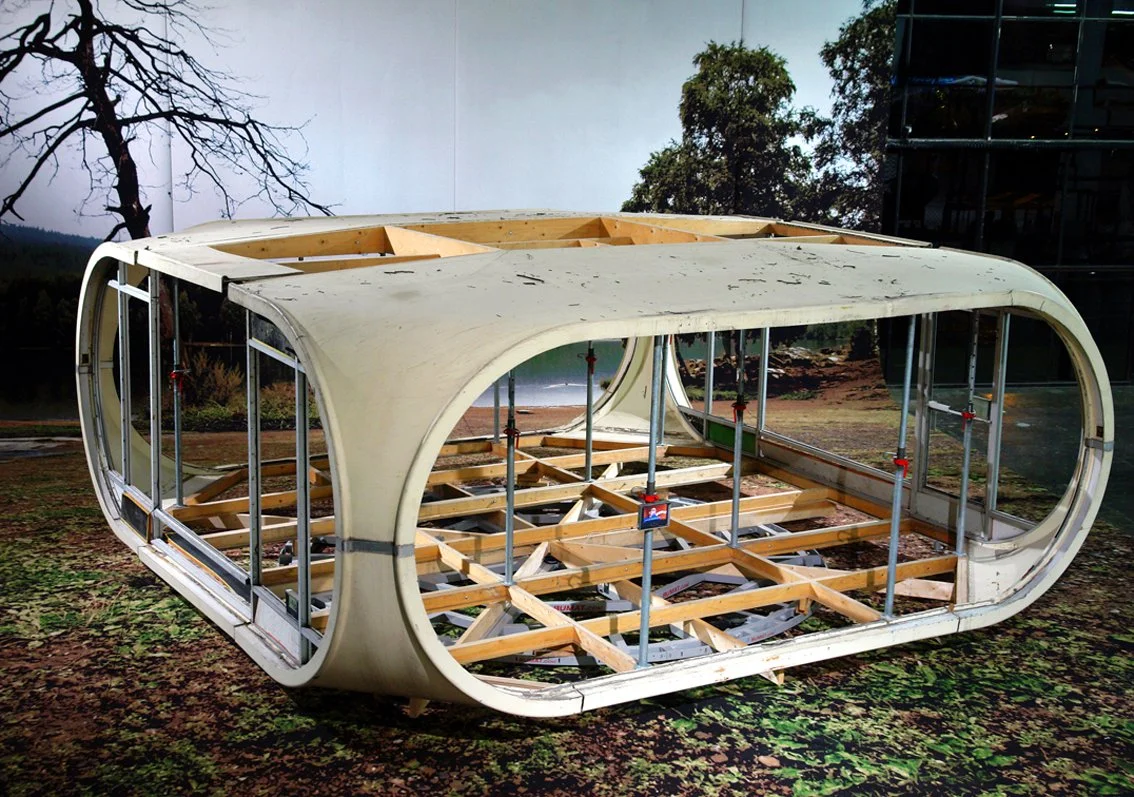
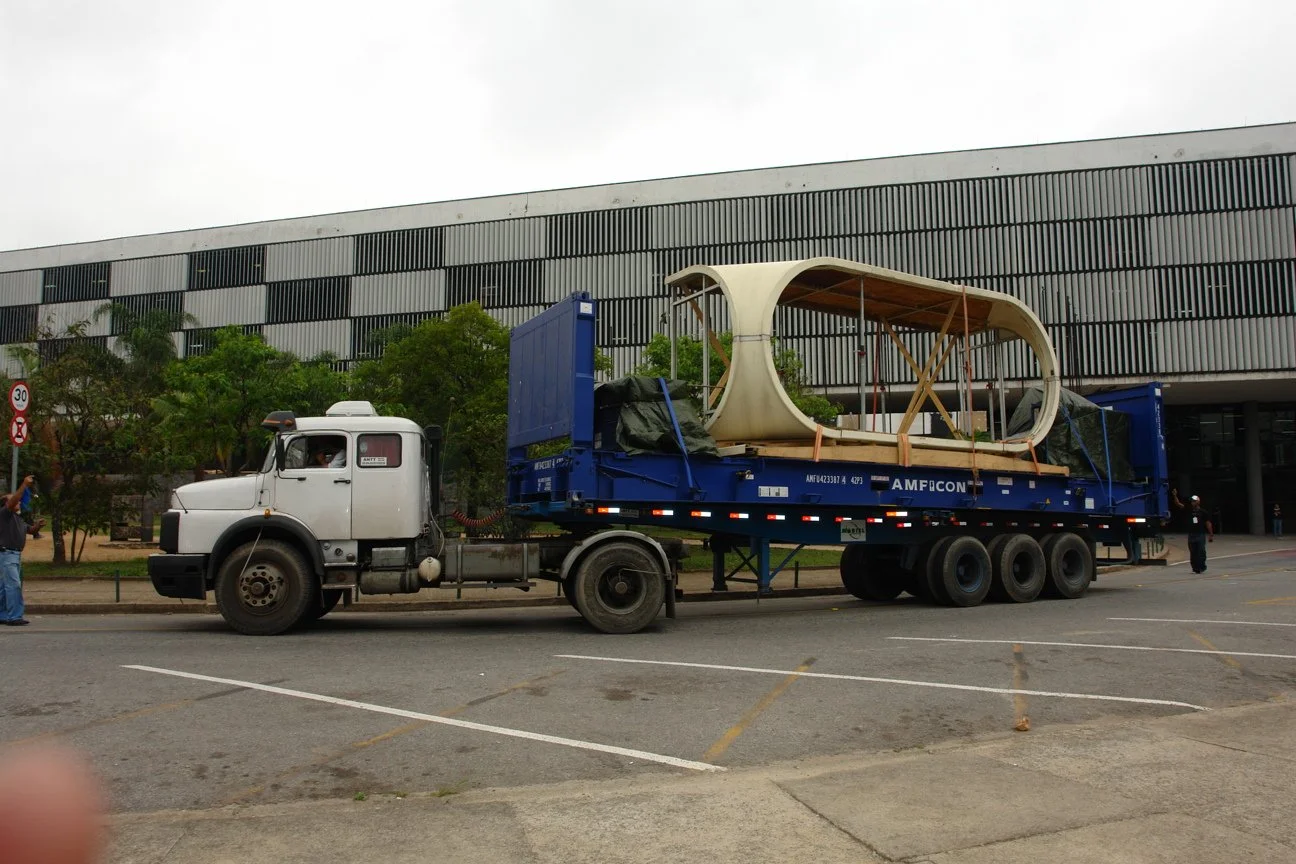
The Biennial pavilions in Ibirapuera Park were designed by Oscar Niemeyer. In 1967, his Finnish colleague Matti Suuronen developed the Venturo, a small plastic summer pavilion conceived as a mobile structure composed of modular units that could be transported by container. The project embodied the optimistic, futuristic spirit of its time, but collapsed after the oil crisis of 1973, when the price of plastic rose dramatically.
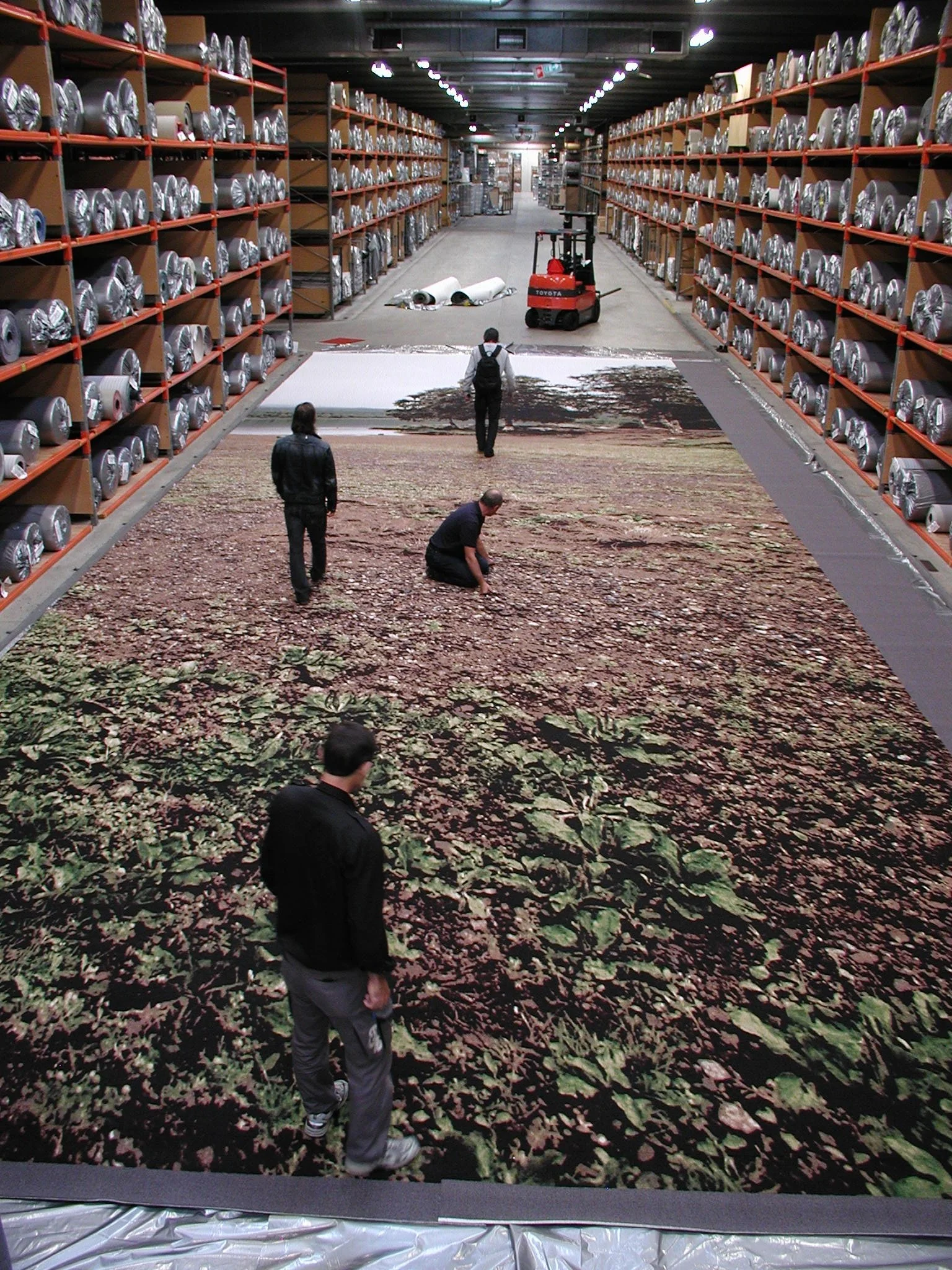
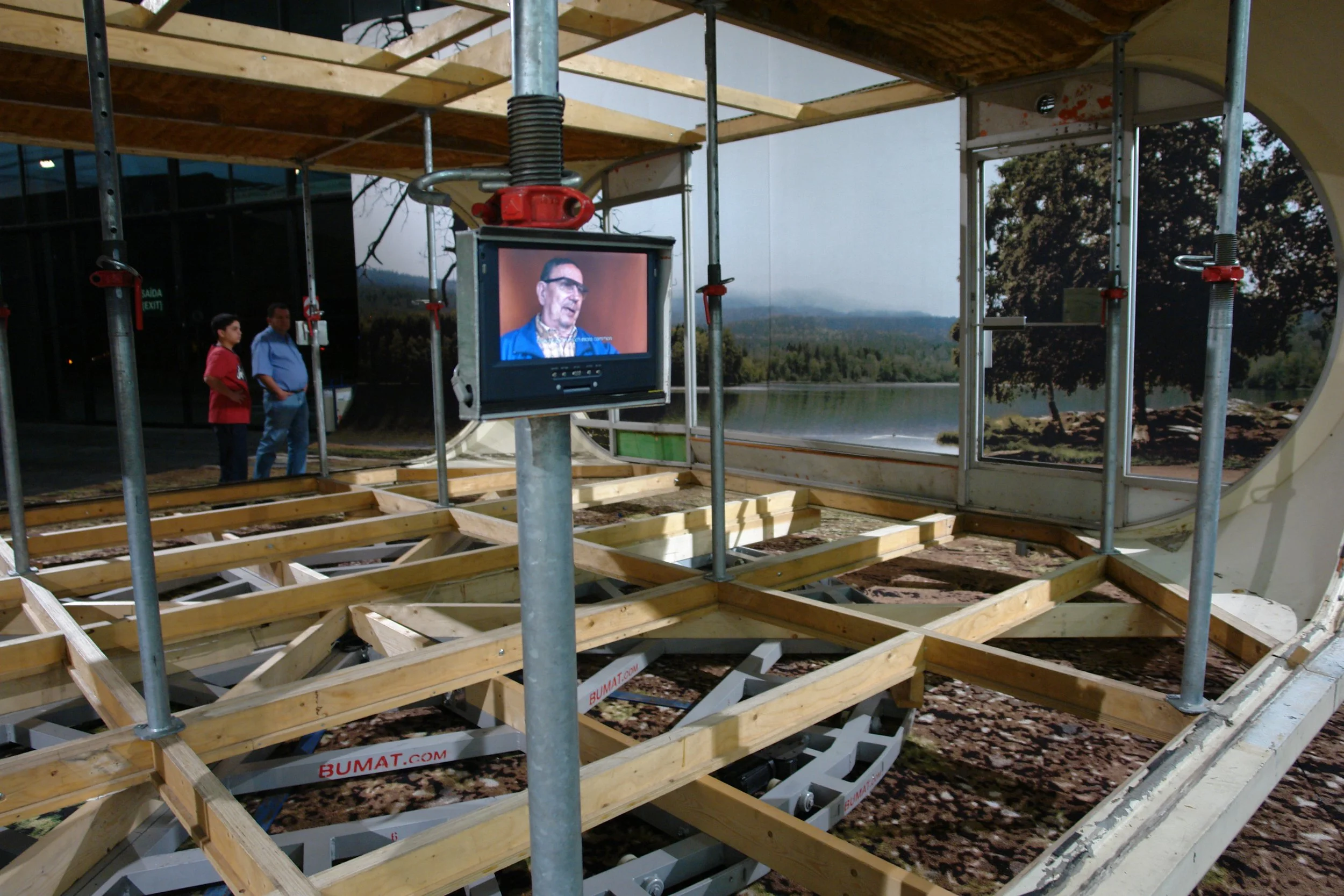
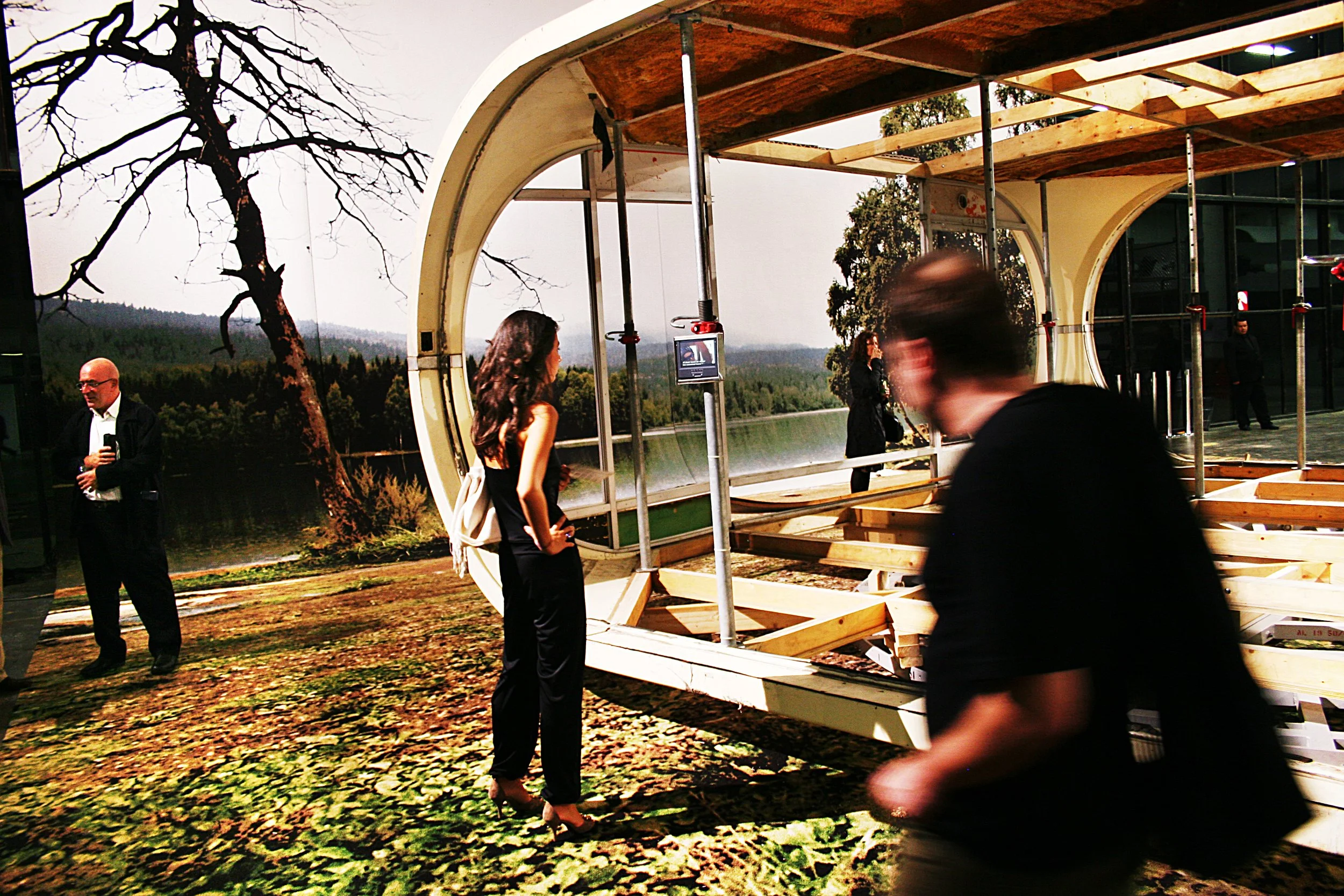
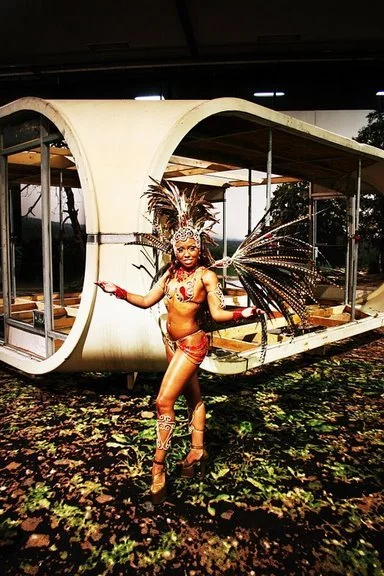
Ramberg sought to connect his project within Niemeyer’s Ciccillo Matarazzo Pavilion to Suuronen’s visionary but unrealised ideas for the Venturo. At the São Paulo Biennial, the Venturo was staged as a reconstruction—yet presented as a ruin. The structure was supported by raw steel bars commonly used on construction sites and placed on a rotating platform. It was surrounded by a large carpet printed with a photographic image of a melancholic Nordic landscape, creating a striking contrast between tropical modernism and northern memory.
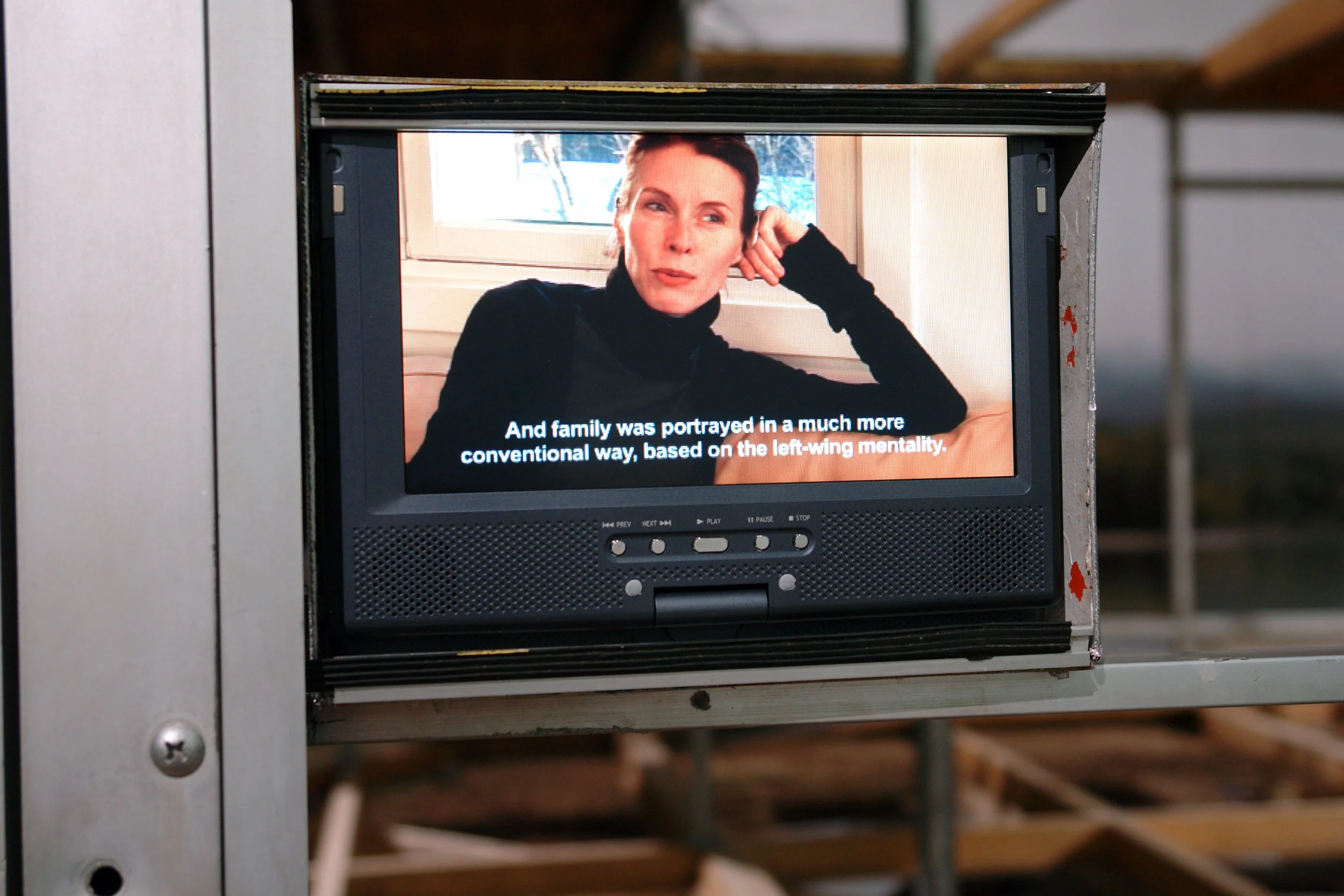
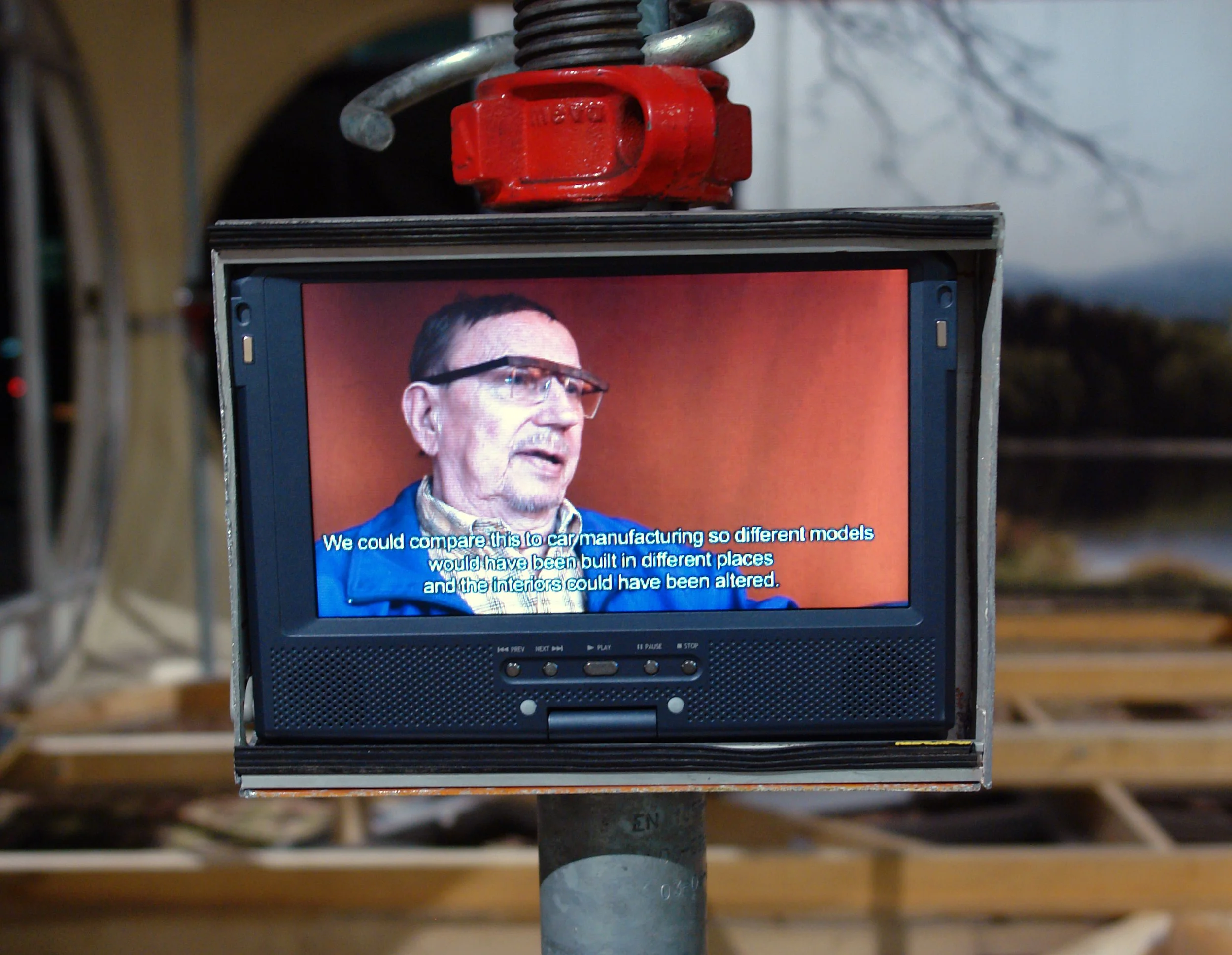
Interviews with Ramberg’s wife, Kristina Lavia, and with Matti Suuronen were presented on screens attached directly to the body of the structure. These voices embedded personal narratives, loss, and reflection into the architectural form itself.
The title of the project is taken from Filippo Tommaso Marinetti’s 1909 Futurist manifesto. By shifting the phrase into the past tense, Ramberg emphasizes the distance between Futurist ambition and historical reality, suggesting that the promises of progress and fearlessness can only be fully understood in retrospect. The work reflects on modernism’s utopian visions, their failures, and the human stories embedded within architectural form.