P A L A S T D E S Z W E I F E L S
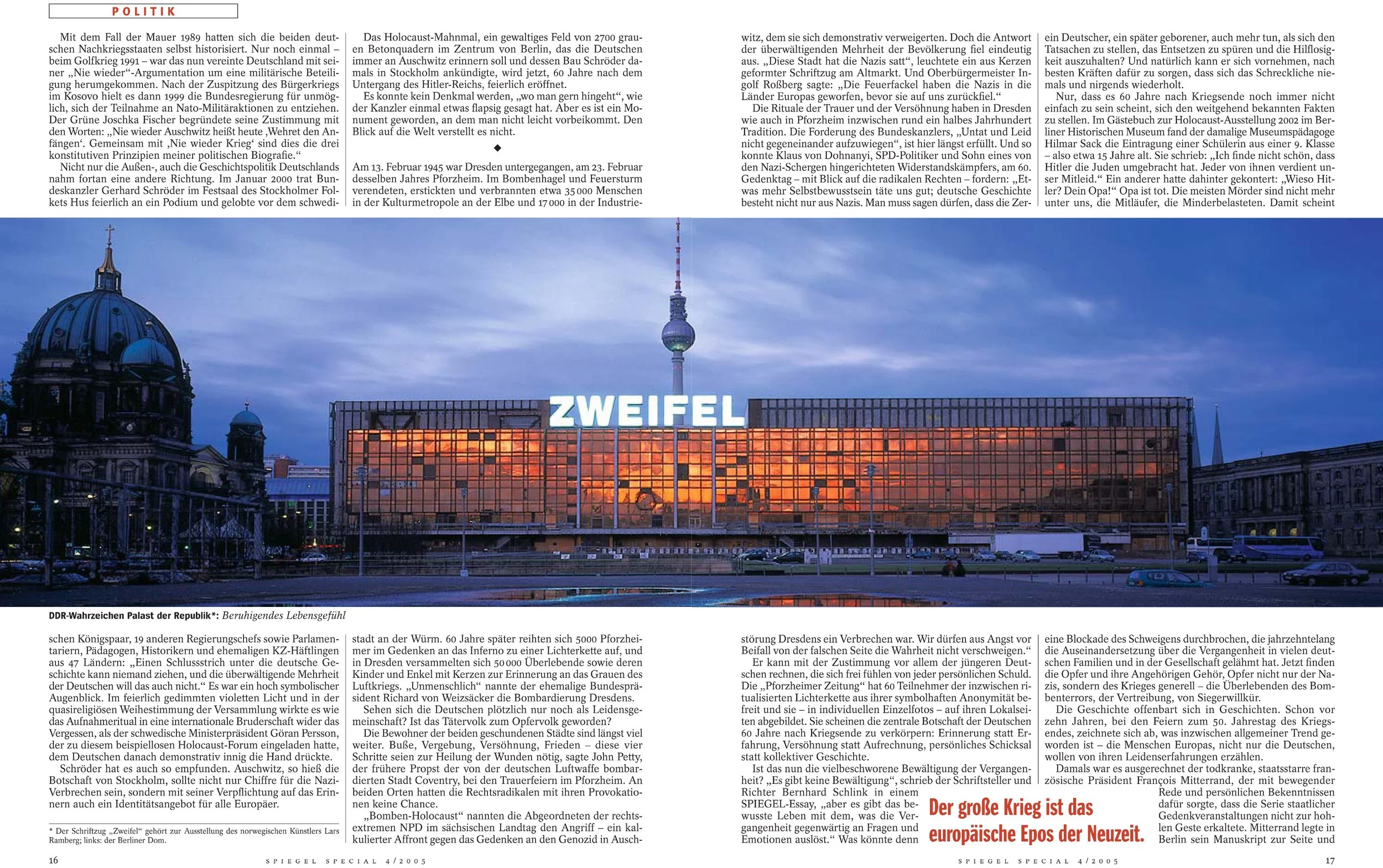
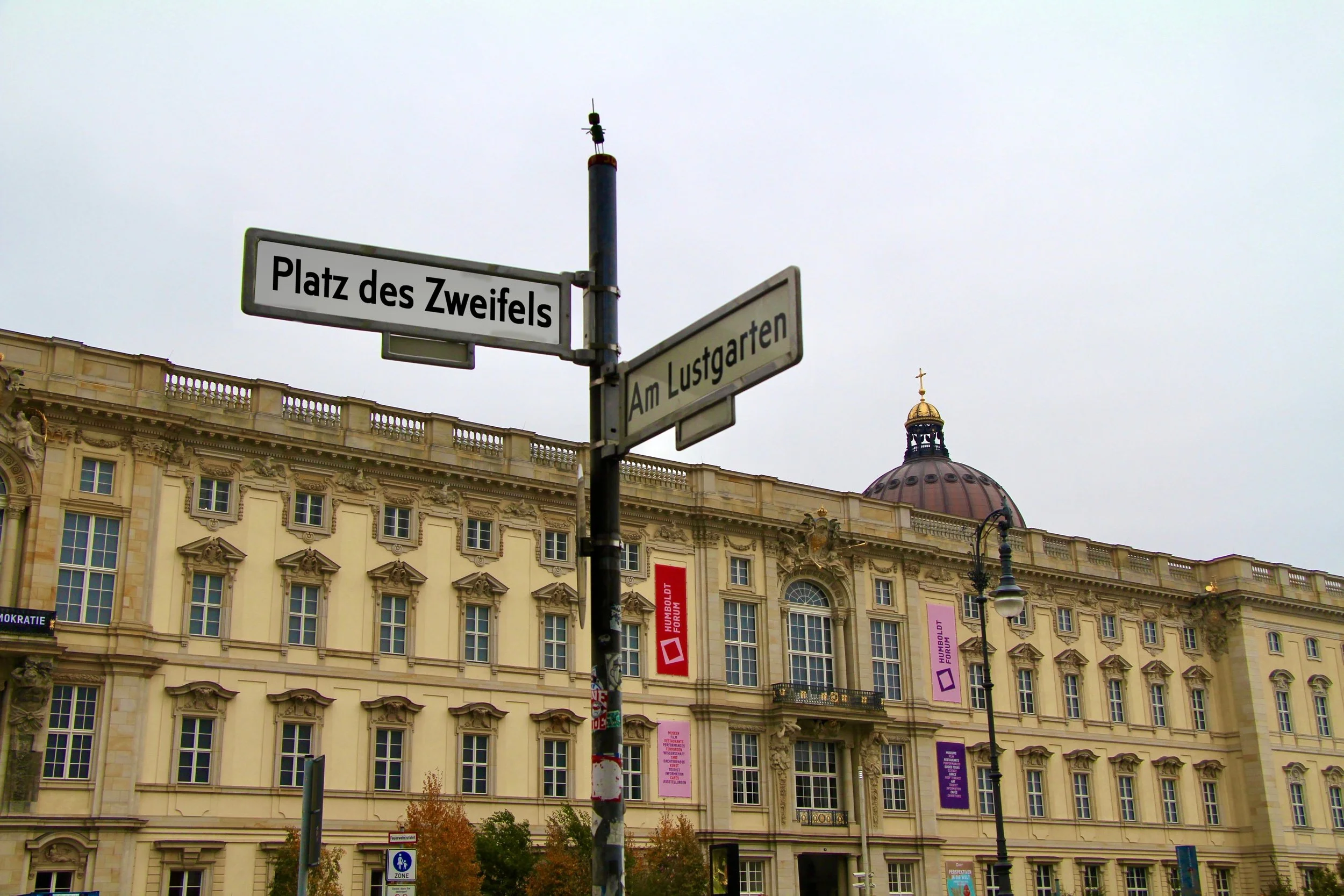
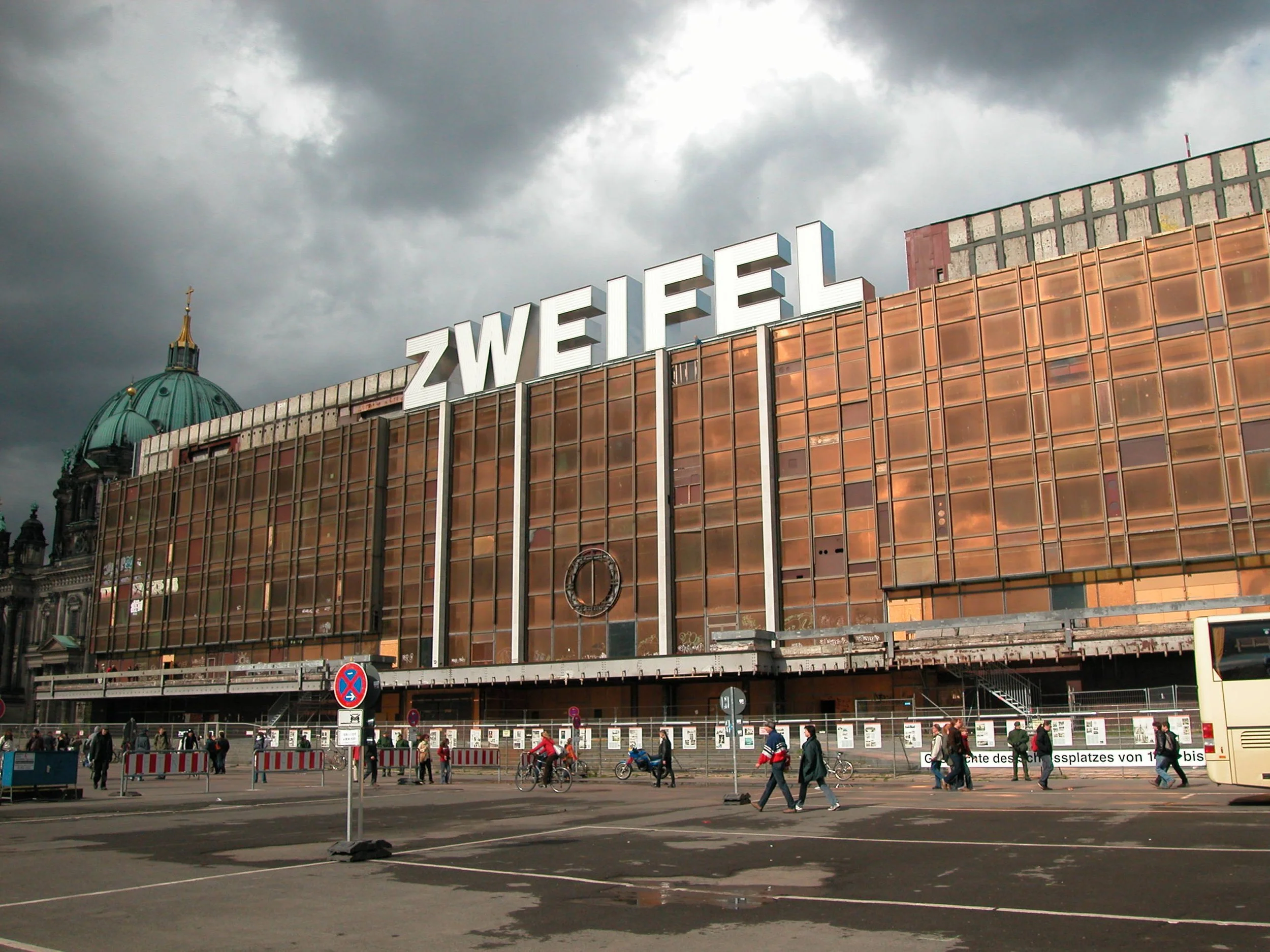
Palace of Doubt transformed the nonfunctional architecture of the GDR’s Palace of the Republic into a virtual institution for doubt. Once a glamorous modernist masterpiece, the Palast der Republik, built in 1976, was a giant steel construction with a solid white marble façade and coated windows shining in copper-gold. Its exterior mirrored the Berliner Dom, Friedrich Schinkel’s Lustgarten, and other historical buildings on Museum Island. The palace was erected by President Erich Honecker, and East Berliners immediately nicknamed it “Erichs Lampenladen” (Erich’s Lamp Shop) due to its thousands of bright lights, chandeliers, and lamps. It was open to the public, and ordinary people dated, married, dined, and danced in this hybrid of parliament and communal house.
After the fall of the GDR in 1990, the palace was abandoned and left empty and dark for more than fifteen years—especially ironic since it had only been in use for twelve years. Between 1998 and 2003, asbestos was removed from the building and, in the process, the entire interior and façade were ruined. Since the very beginning of reunification, the building was subject to massive debates: what role would the palace have in the future as the icon of a former totalitarian regime? Could it fulfill a new function, becoming a new kind of cultural space? Or would the site where East Germans had spent their leisure time become a problem for a new Germany?
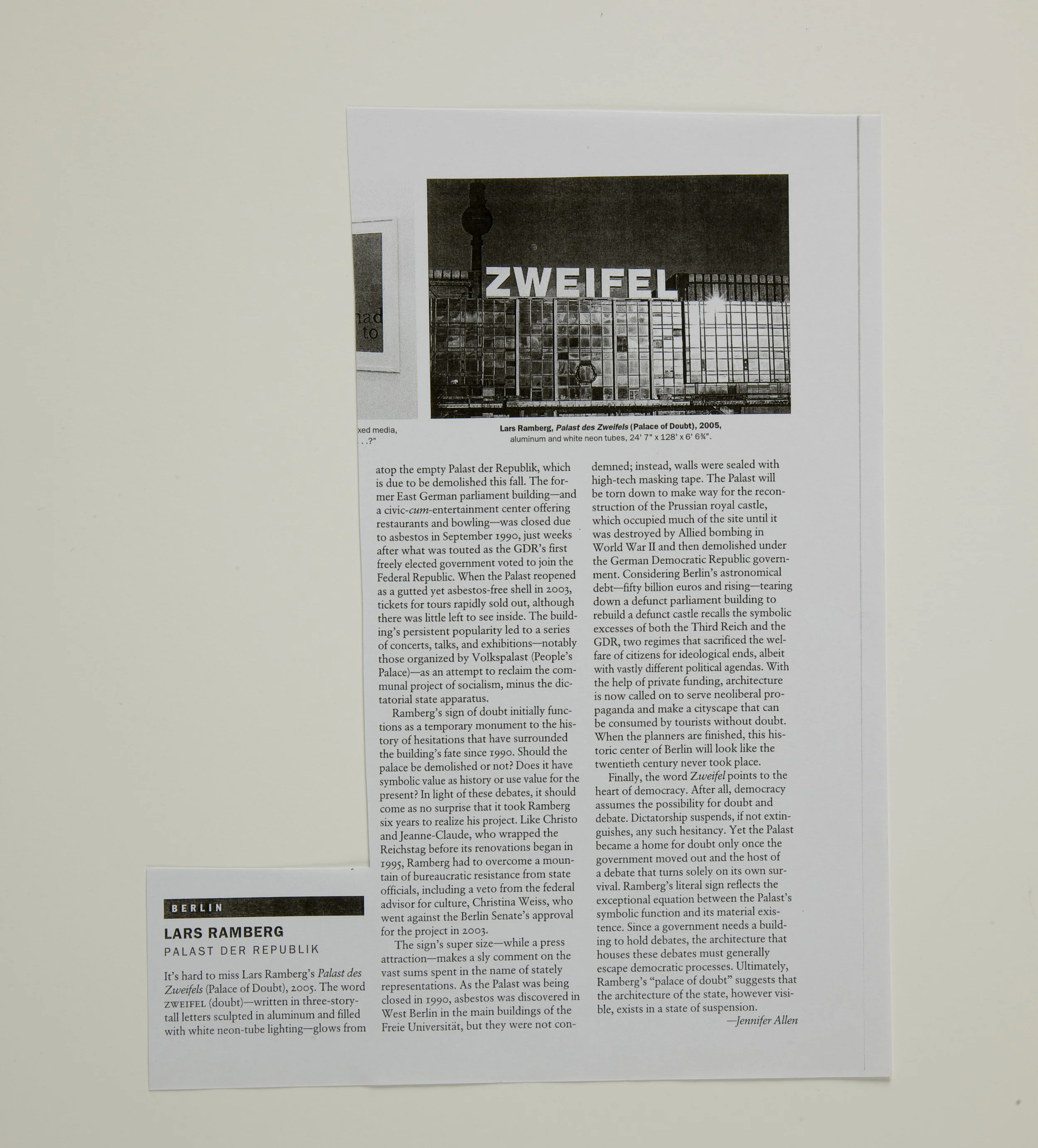
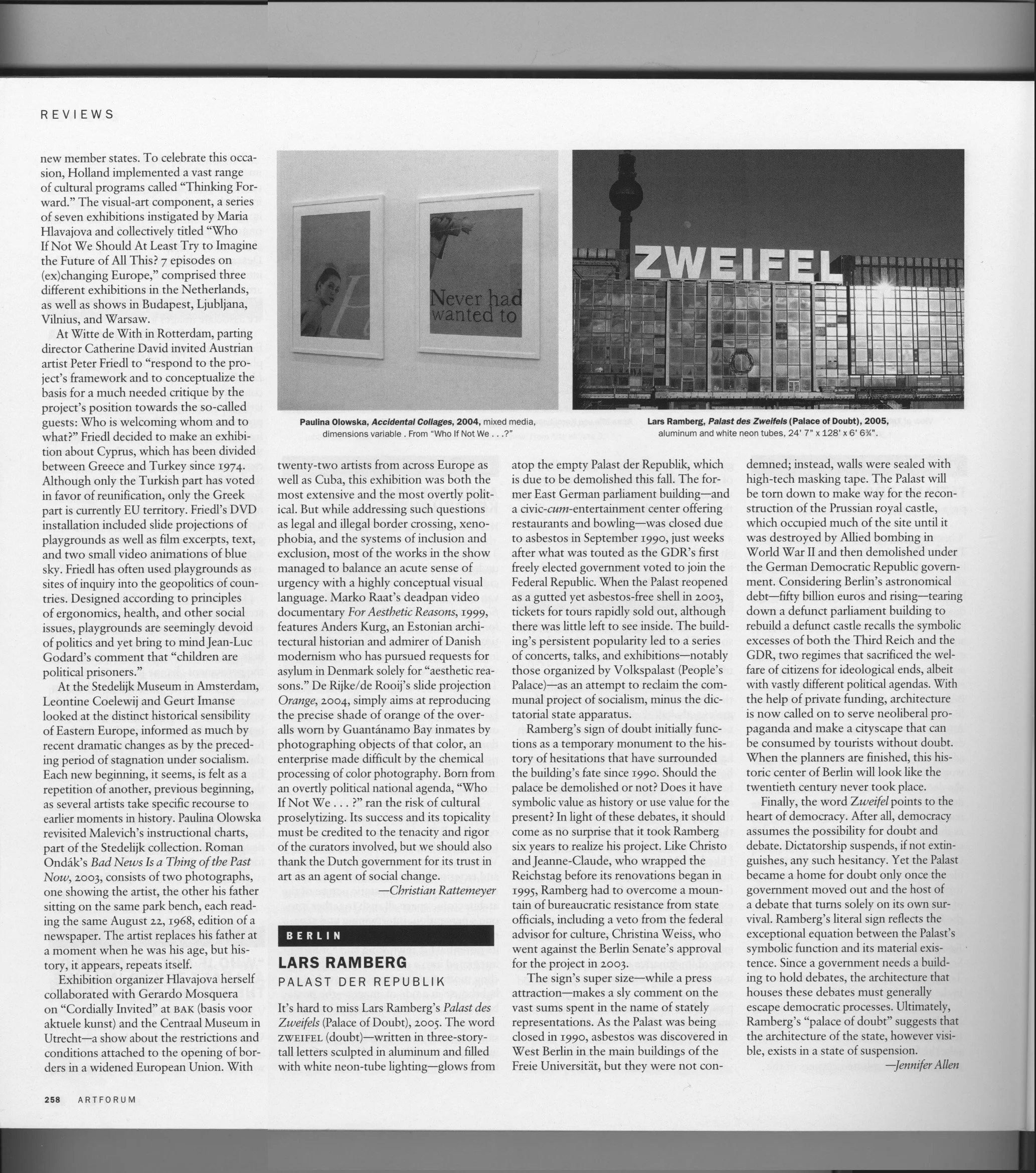
Lars Ø Ramberg, following these debates over the years, conceived the idea to create a monument that would comment on the debate itself, the transparency of the identity discourse, and the collective courage to doubt. PALAST DES ZWEIFELS was his tribute to the new era of German history, in which doubt had become a proof of reflection and democracy. In fact, collective doubt has brought Germany out of its totalitarian past and united the two German nations. After six years of bureaucratic difficulties and technical preparations, PALAST DES ZWEIFELS was finally realized.
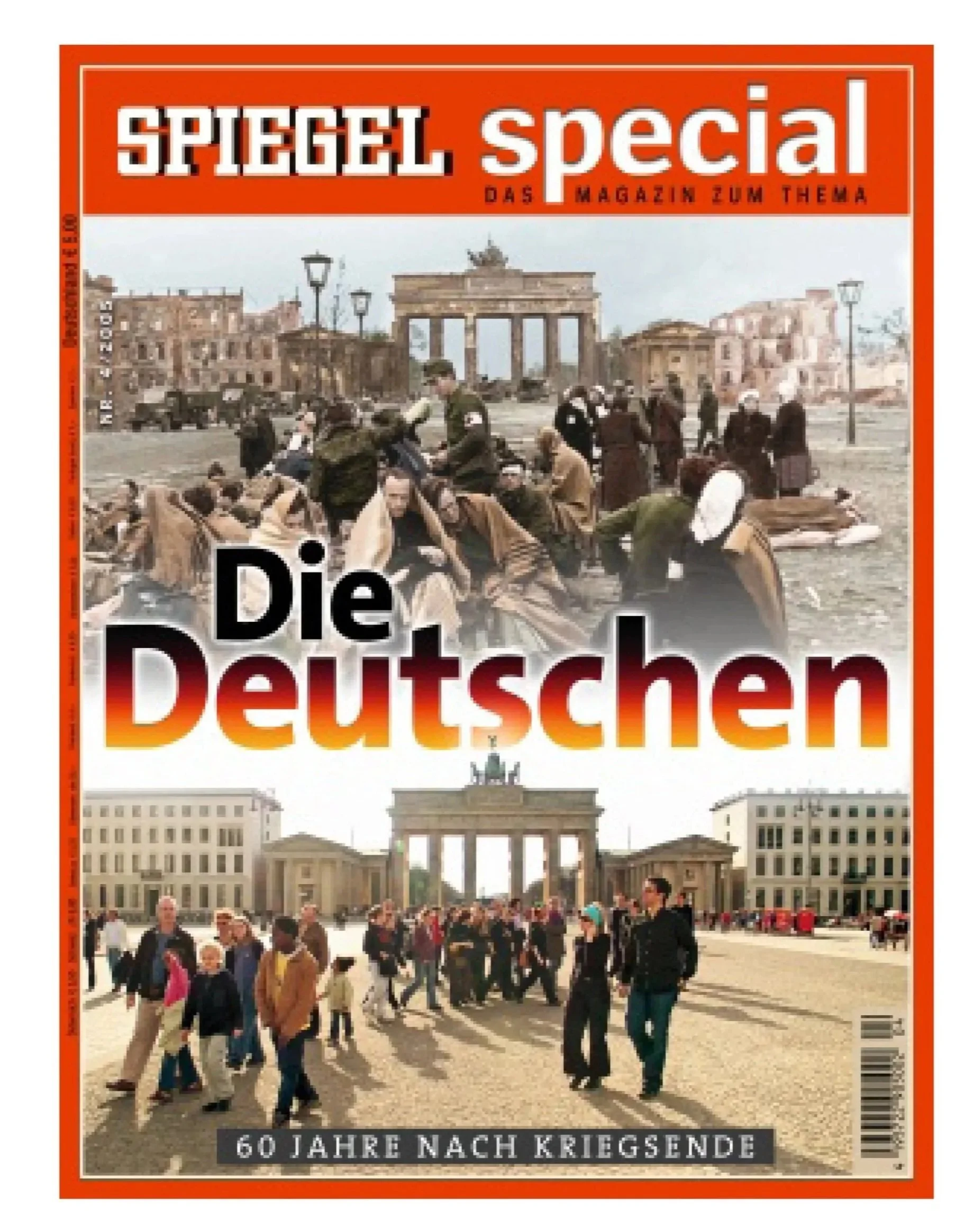
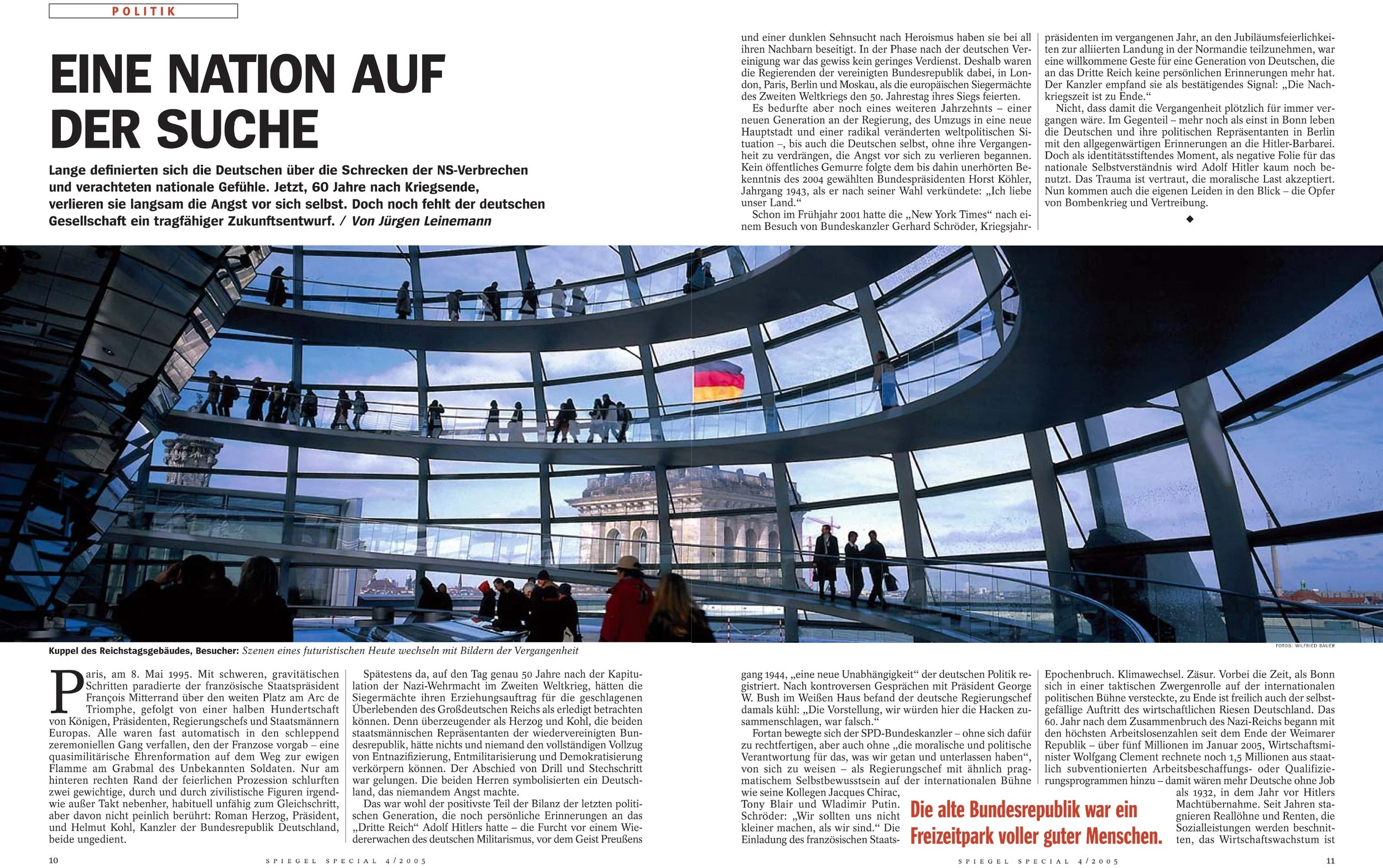
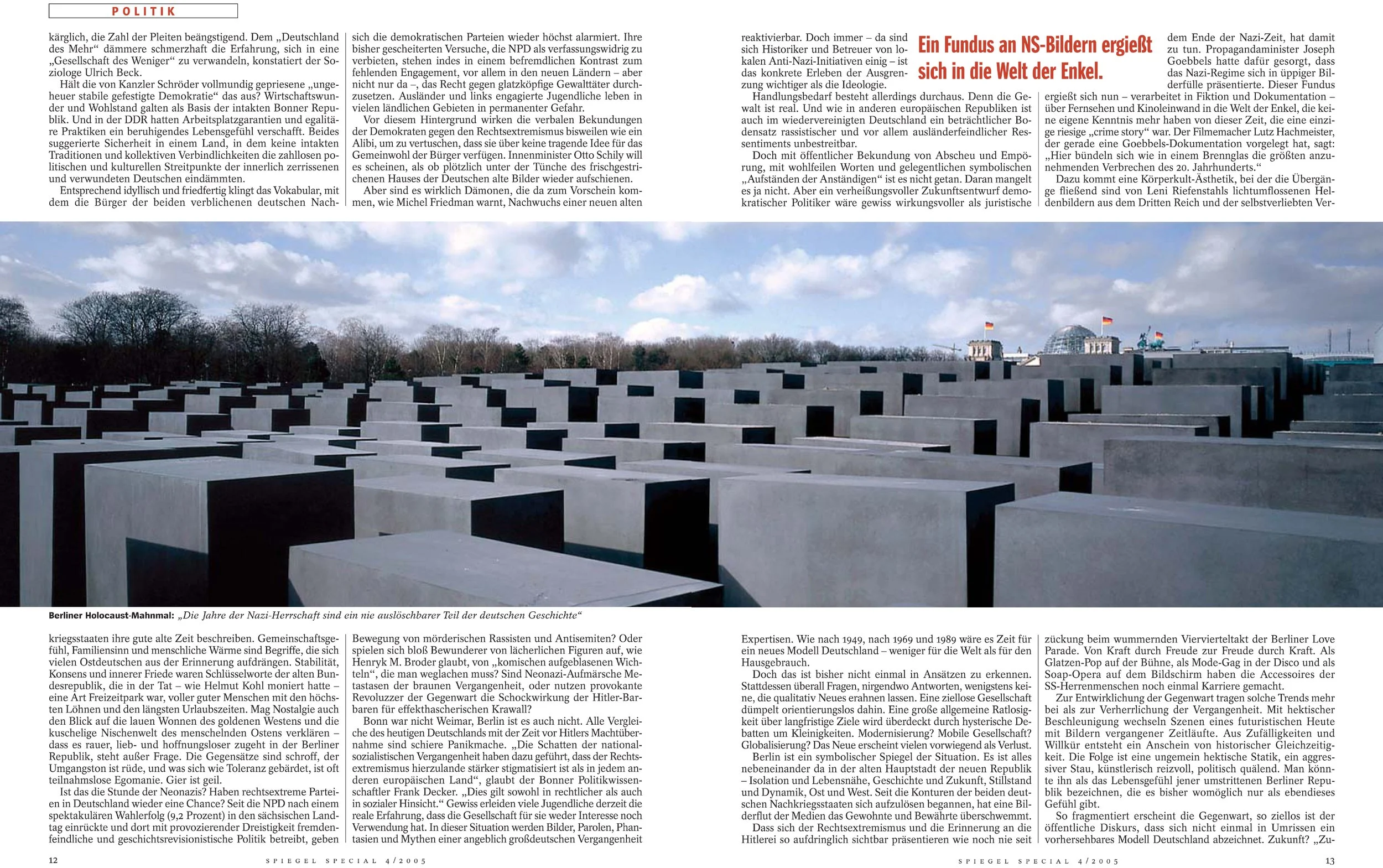
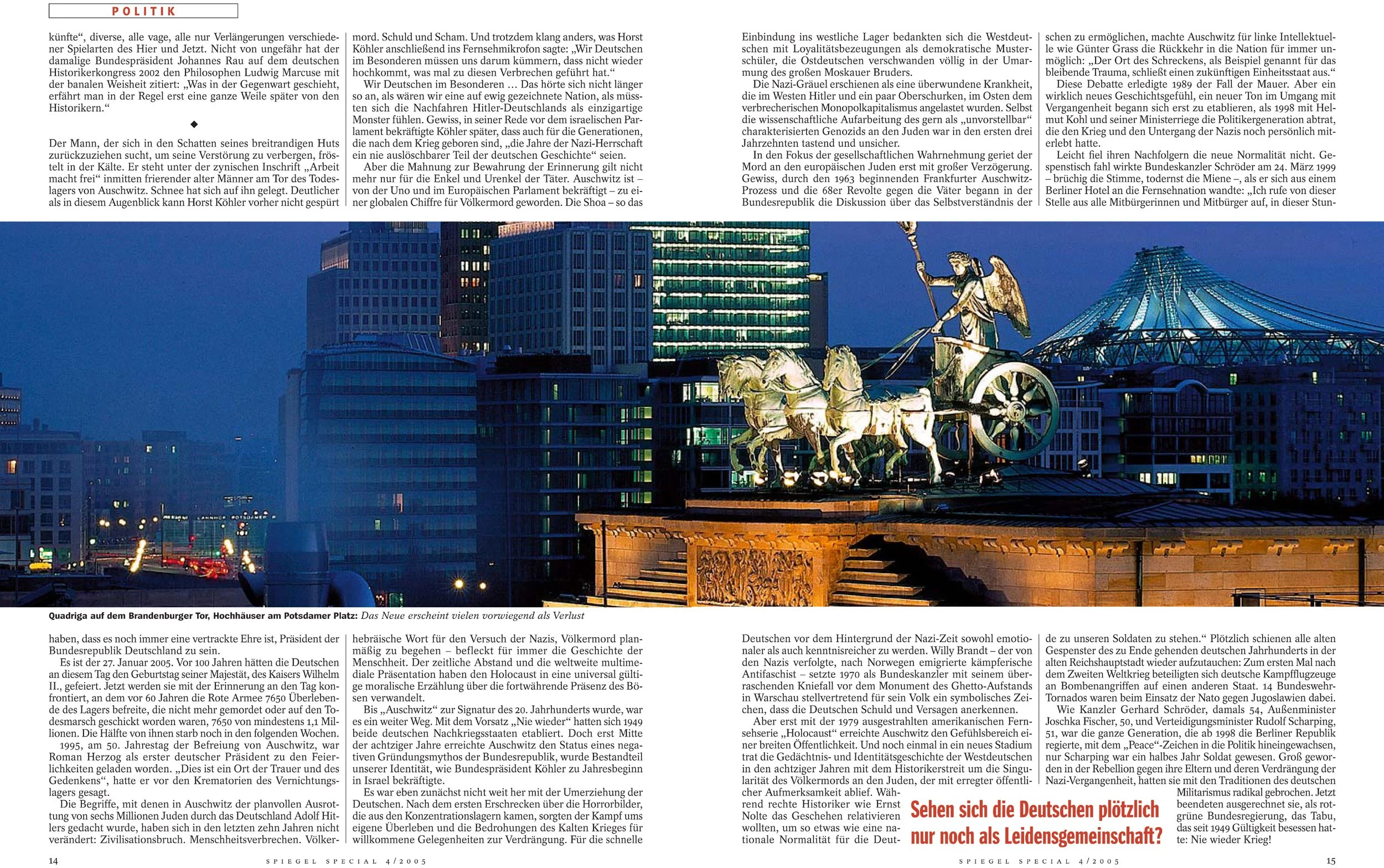
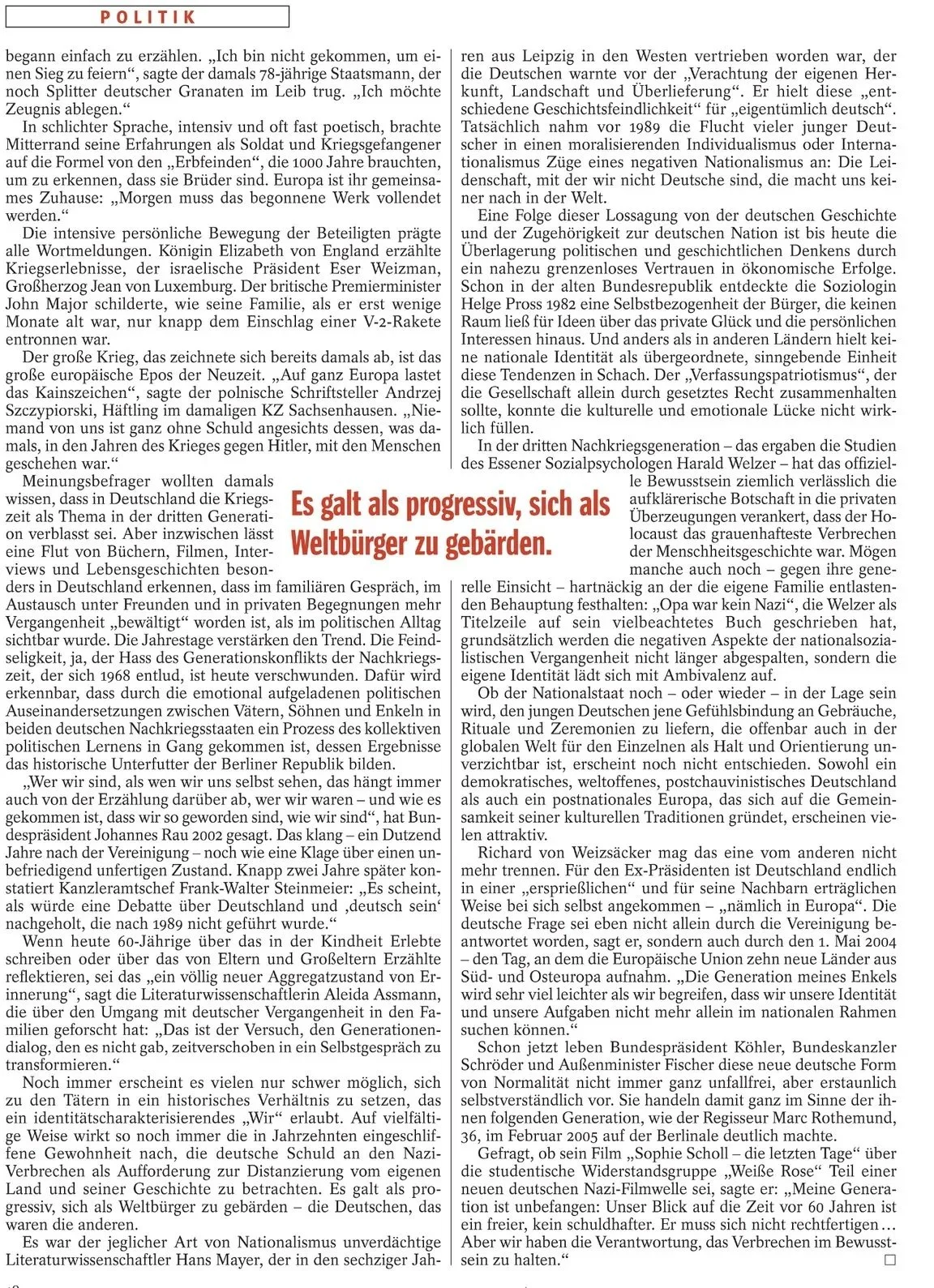
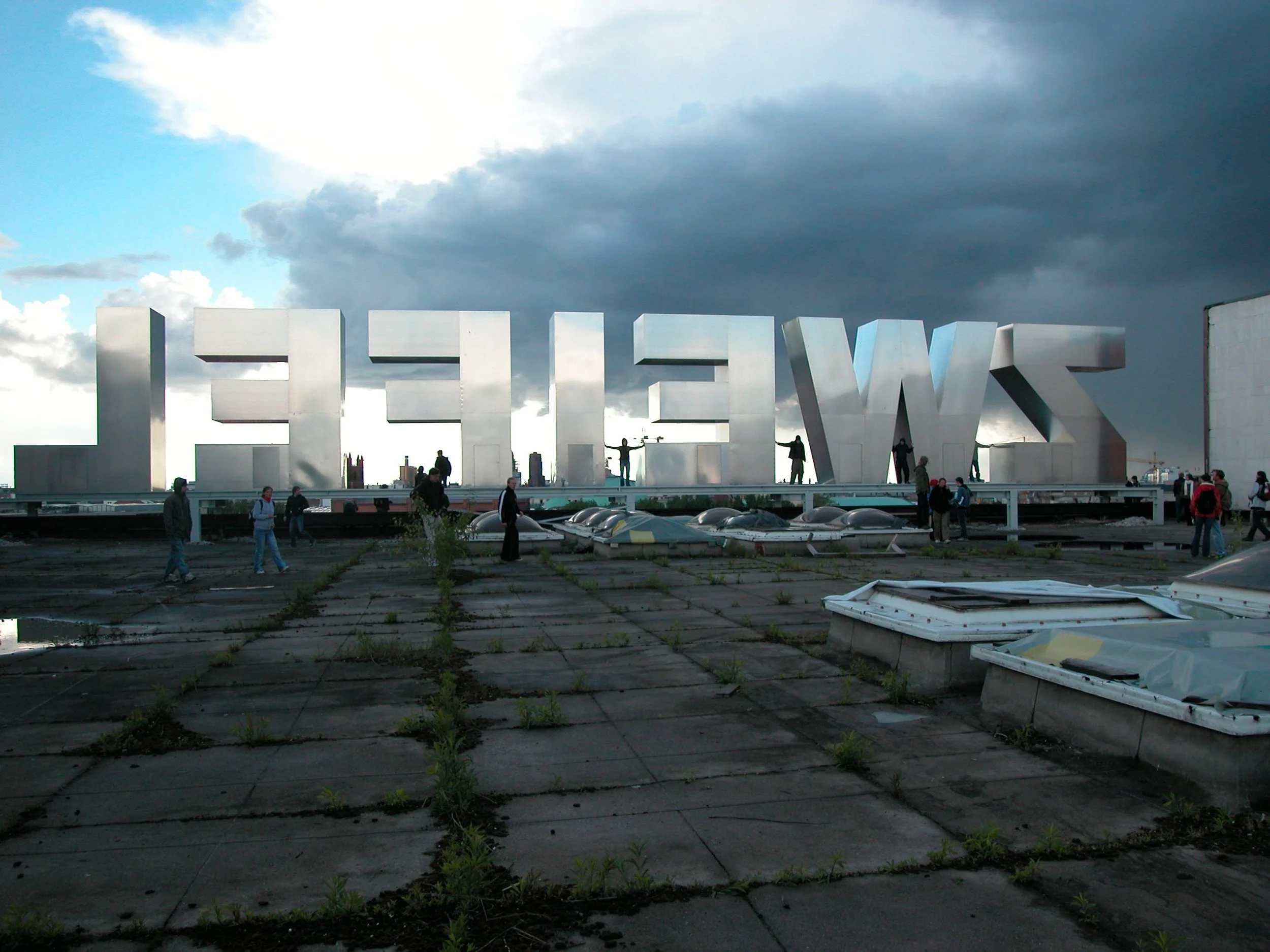
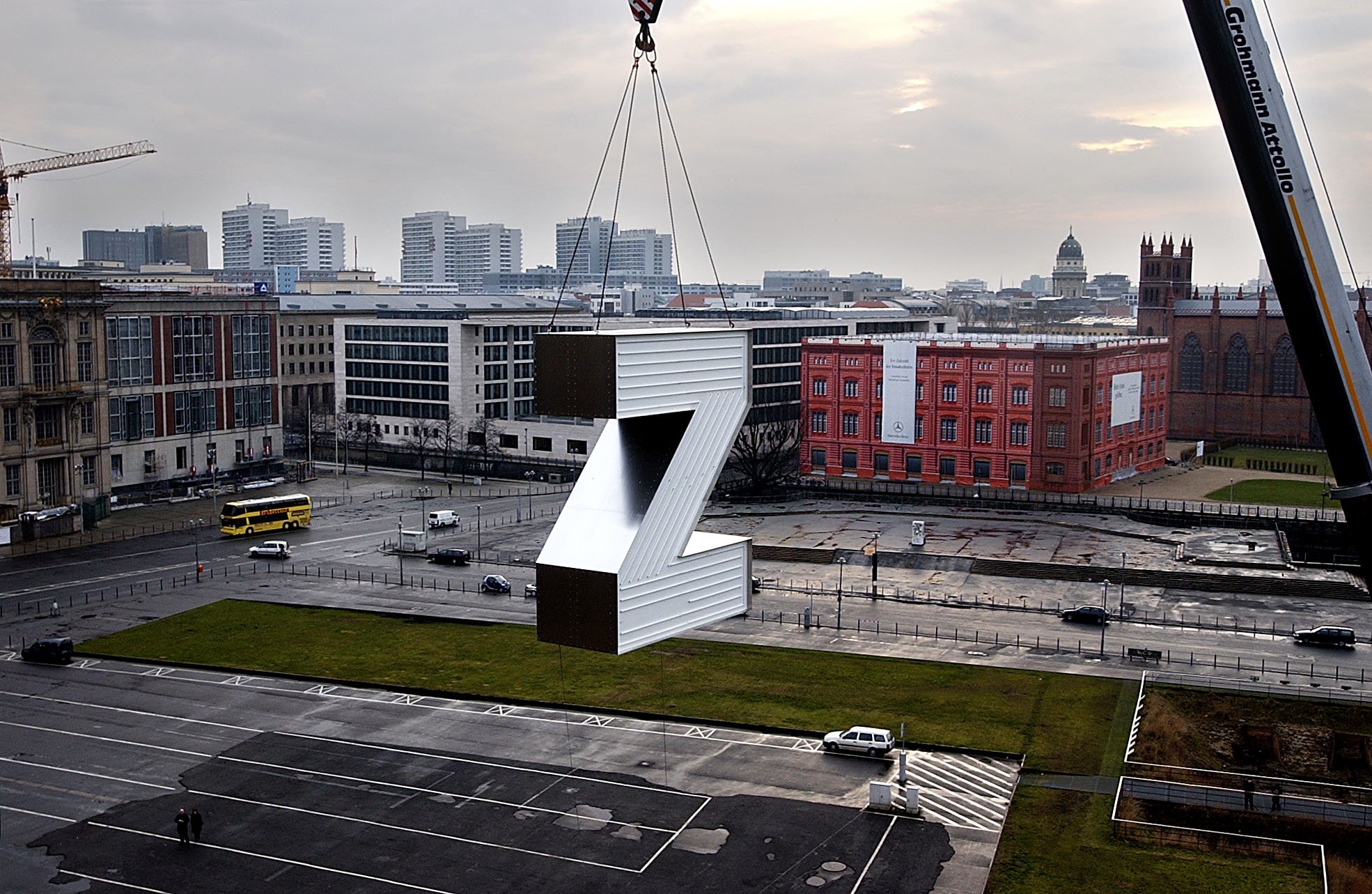
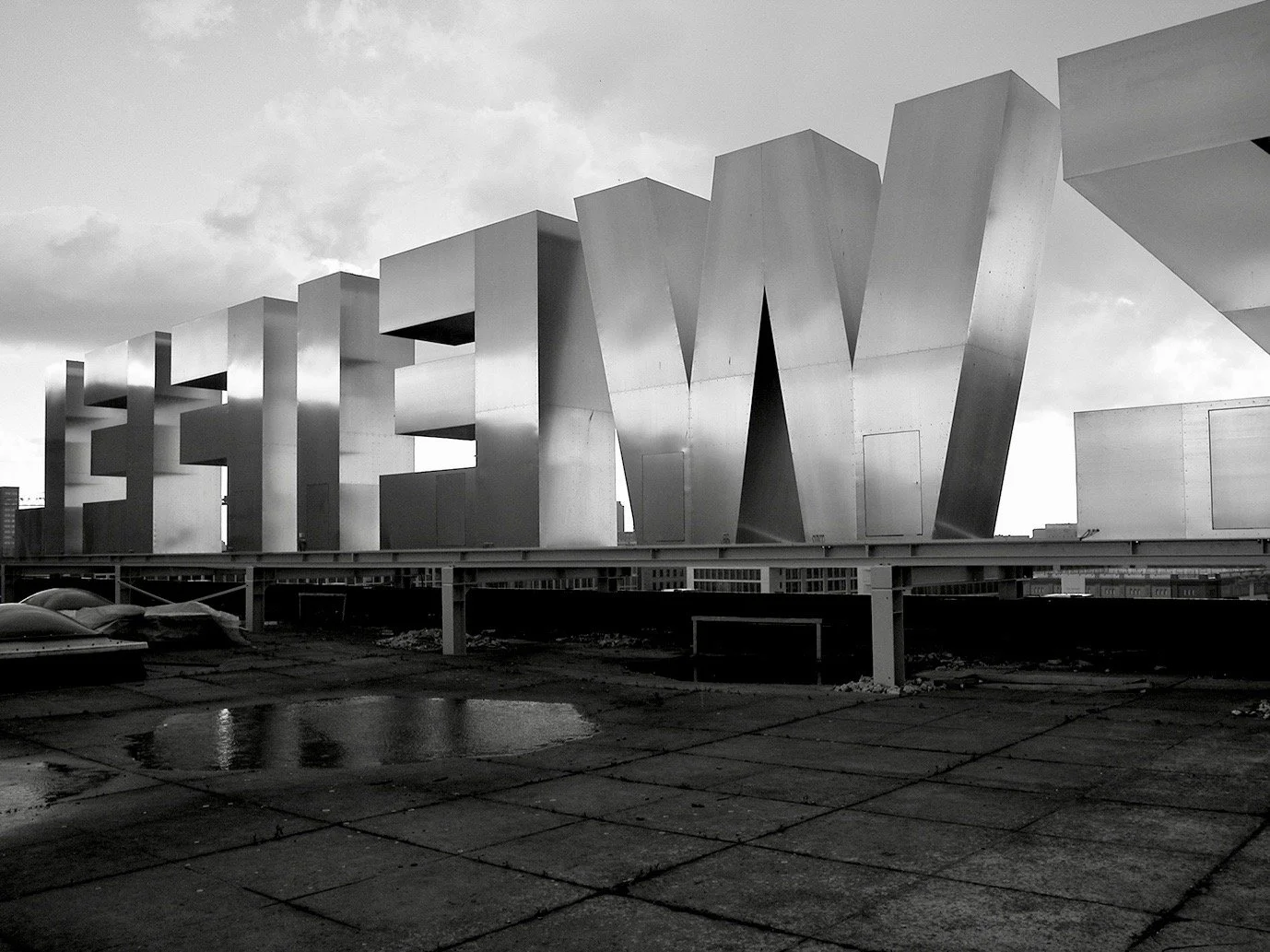
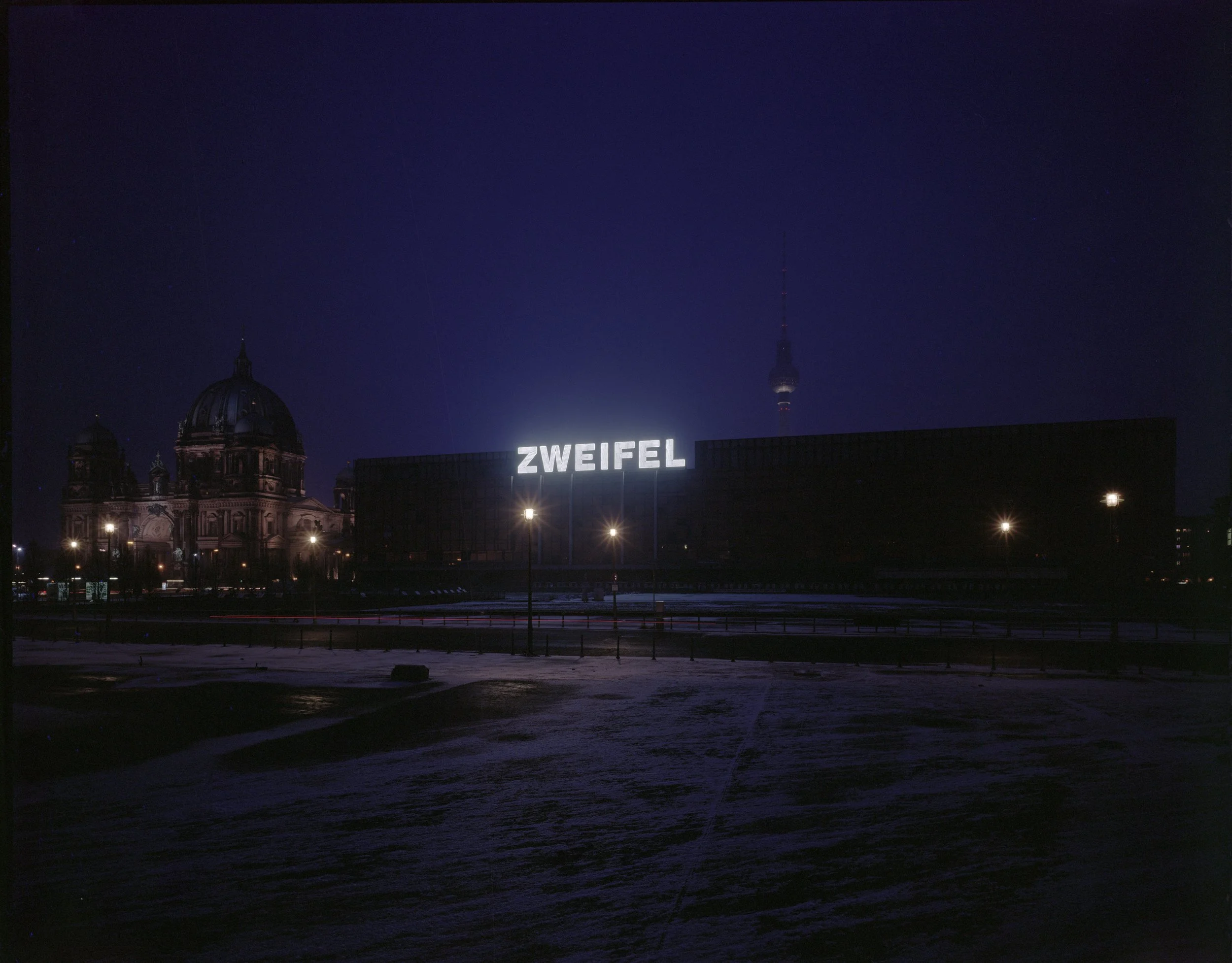
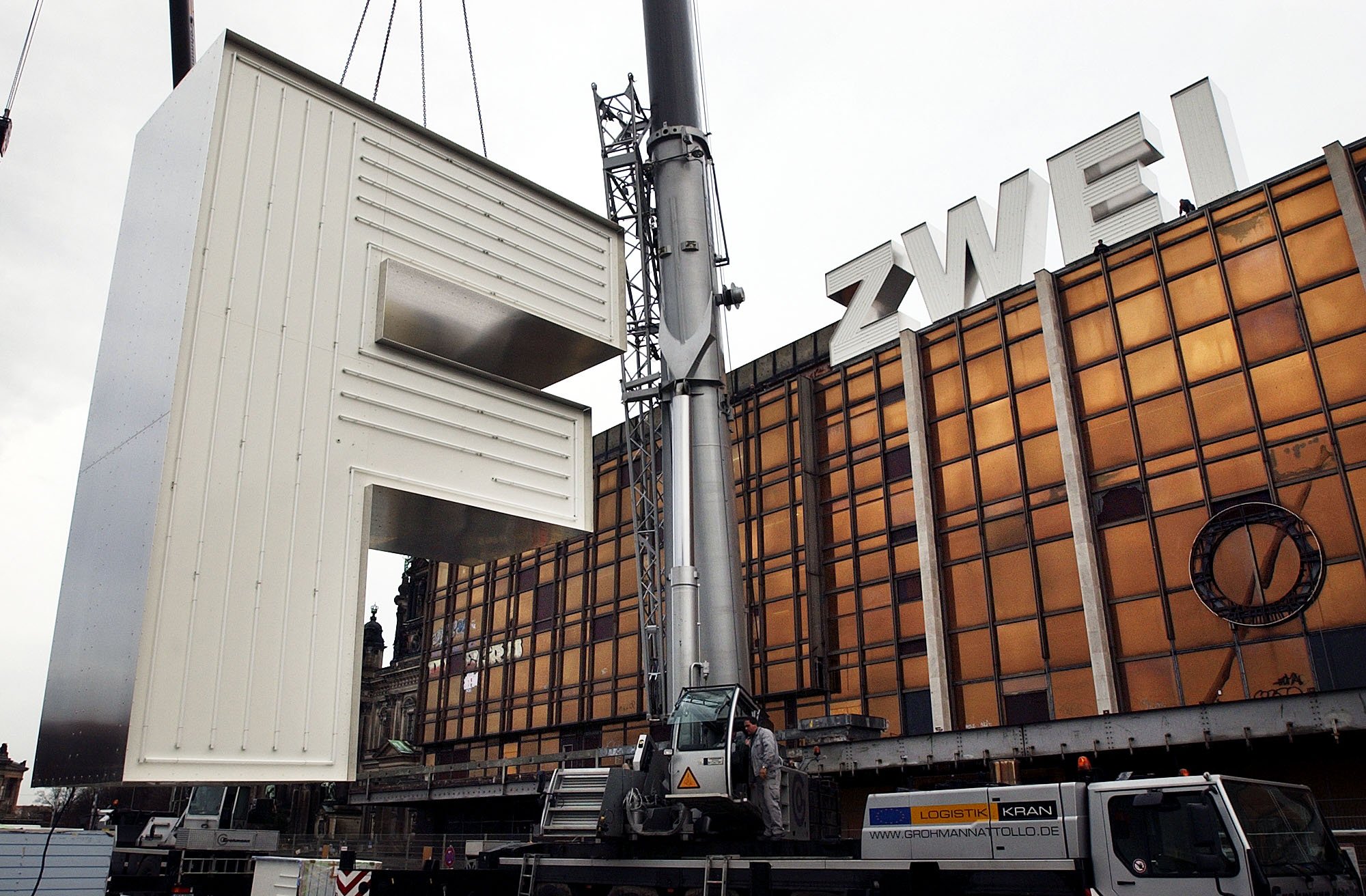
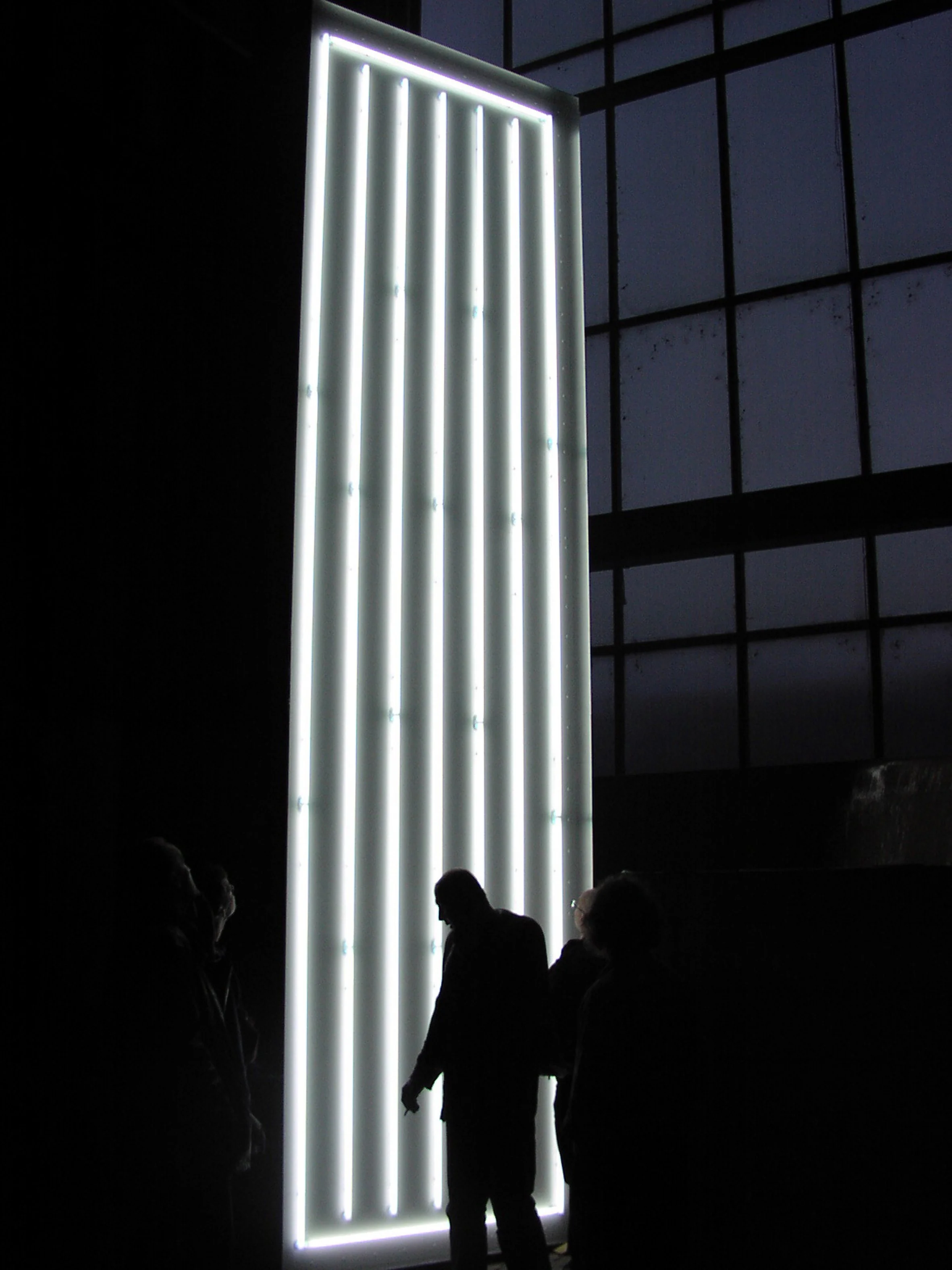
The three-story-high letters forming the word ZWEIFEL merged with the ruined GDR palace, filling the open space on the roof as the final piece of the puzzle. Placed on historical ground, opposite the Berliner Dom at the end of Unter den Linden, the aluminum letters illuminated with white neon tubes were visible from afar. PALAST DES ZWEIFELS became an aggregate for politics itself, creating new debates on national identity as well as the palace’s fate. The work gained significant attention and political reactions in the media; during its run, the project was debated in the German Parliament. The newspaper FAZ described PALAST DES ZWEIFELS as a new Biedermeier. The magazine Spiegel Special published a lead article on the sixtieth anniversary of peace. “Eine Nation auf der Suche” (“A Nation in Search of Itself”) drew the lines from World War II up to today, using PALAST DES ZWEIFELS as the final illustration.
Most monuments manifest and therefore close history. With PALAST DES ZWEIFELS, Ramberg wanted to stimulate reflection upon the ongoing discussions; he objected to any ideological conclusions. PALAST DES ZWEIFELS could therefore be seen as a critique of the tradition of historical monuments.