K A P I T A L I S T I S C H E R R E A L I S M U S
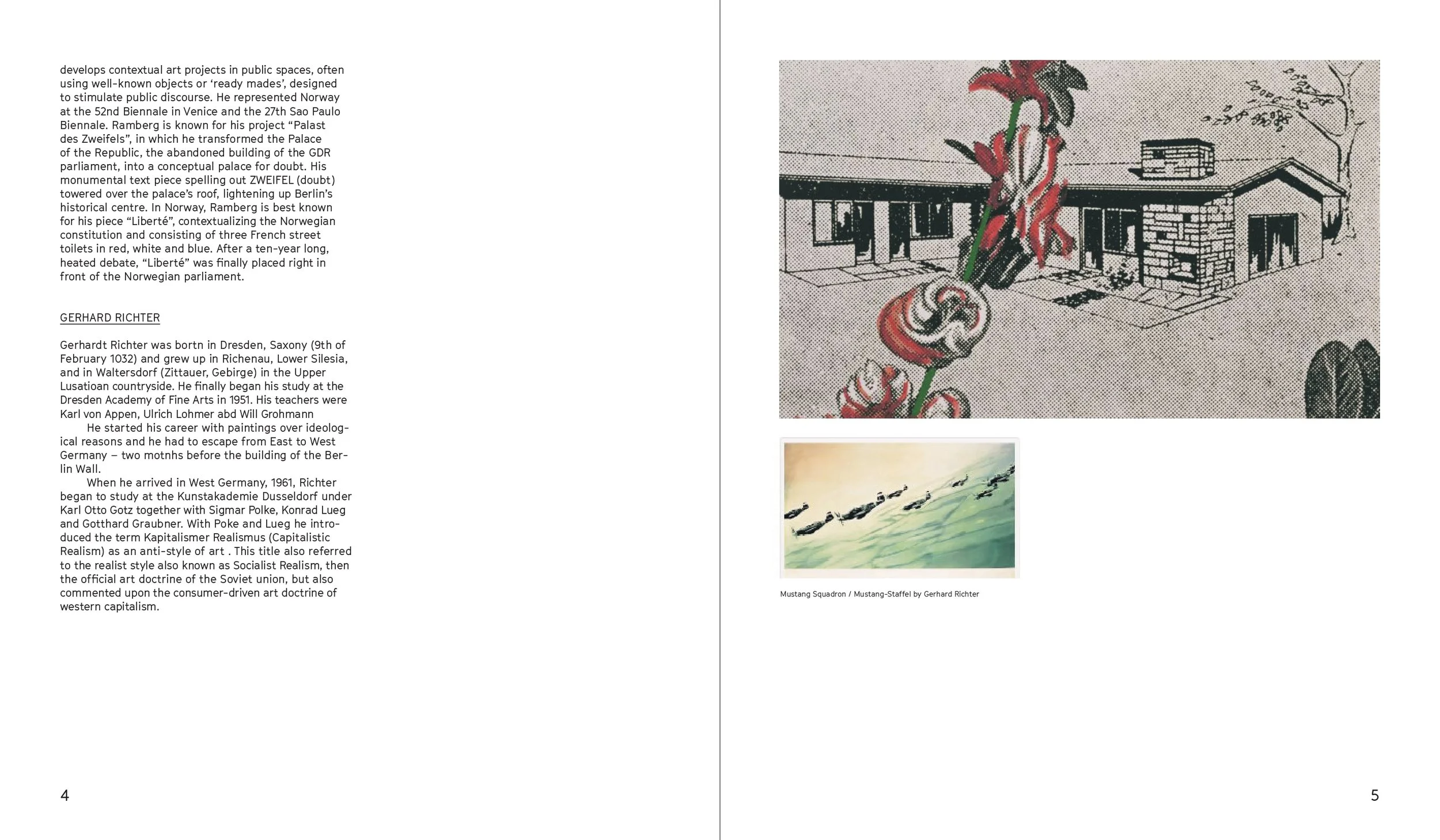
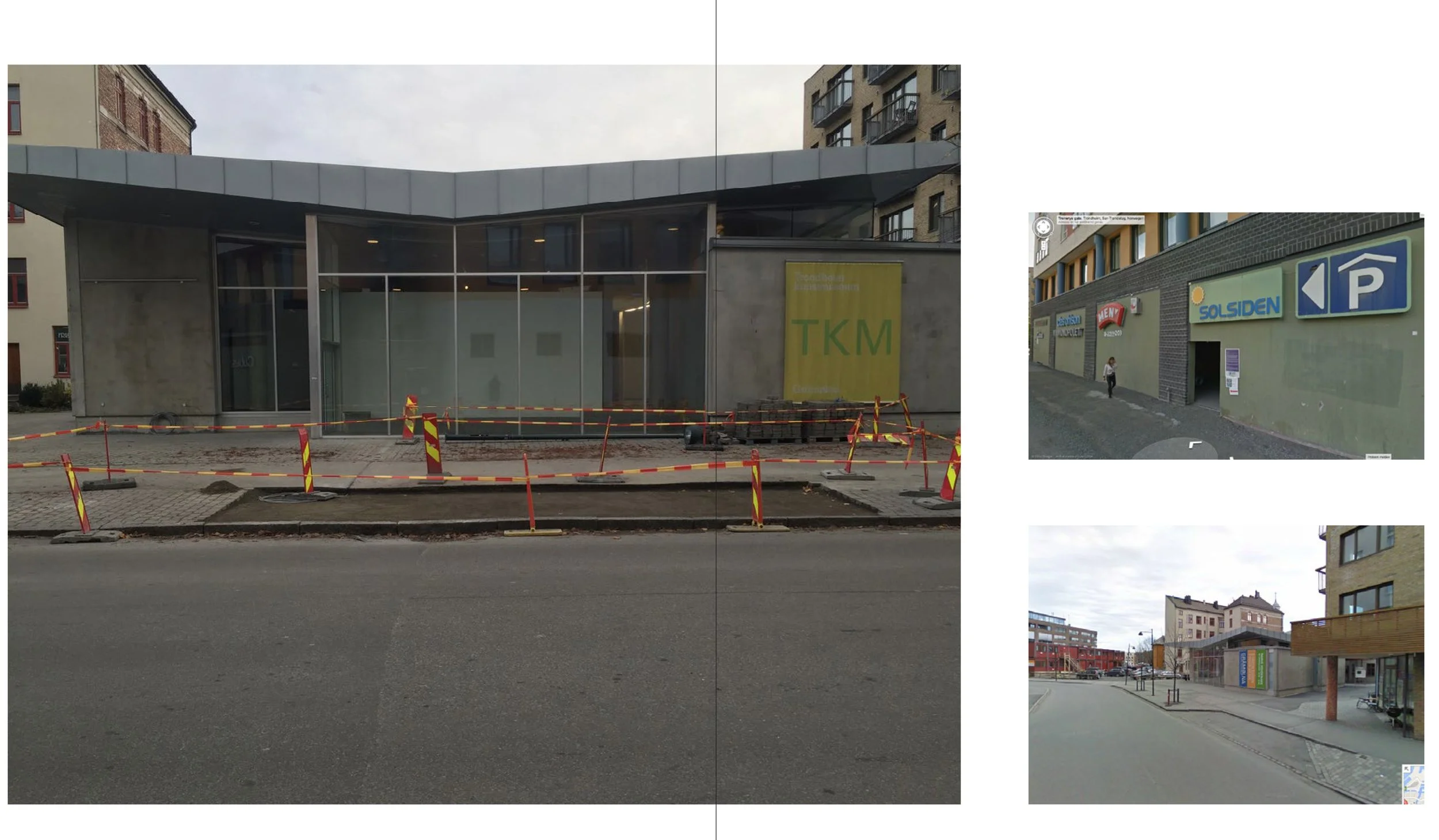
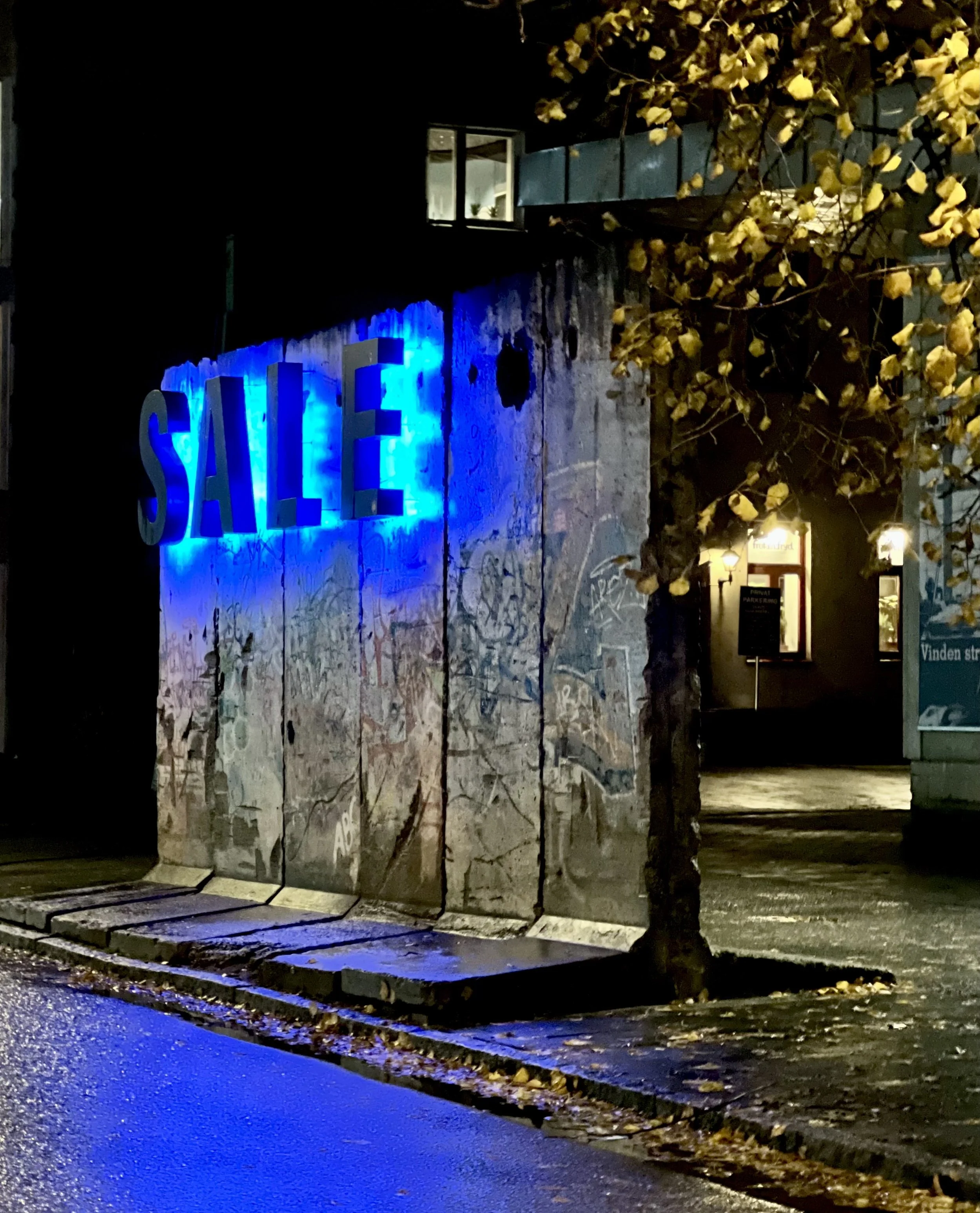
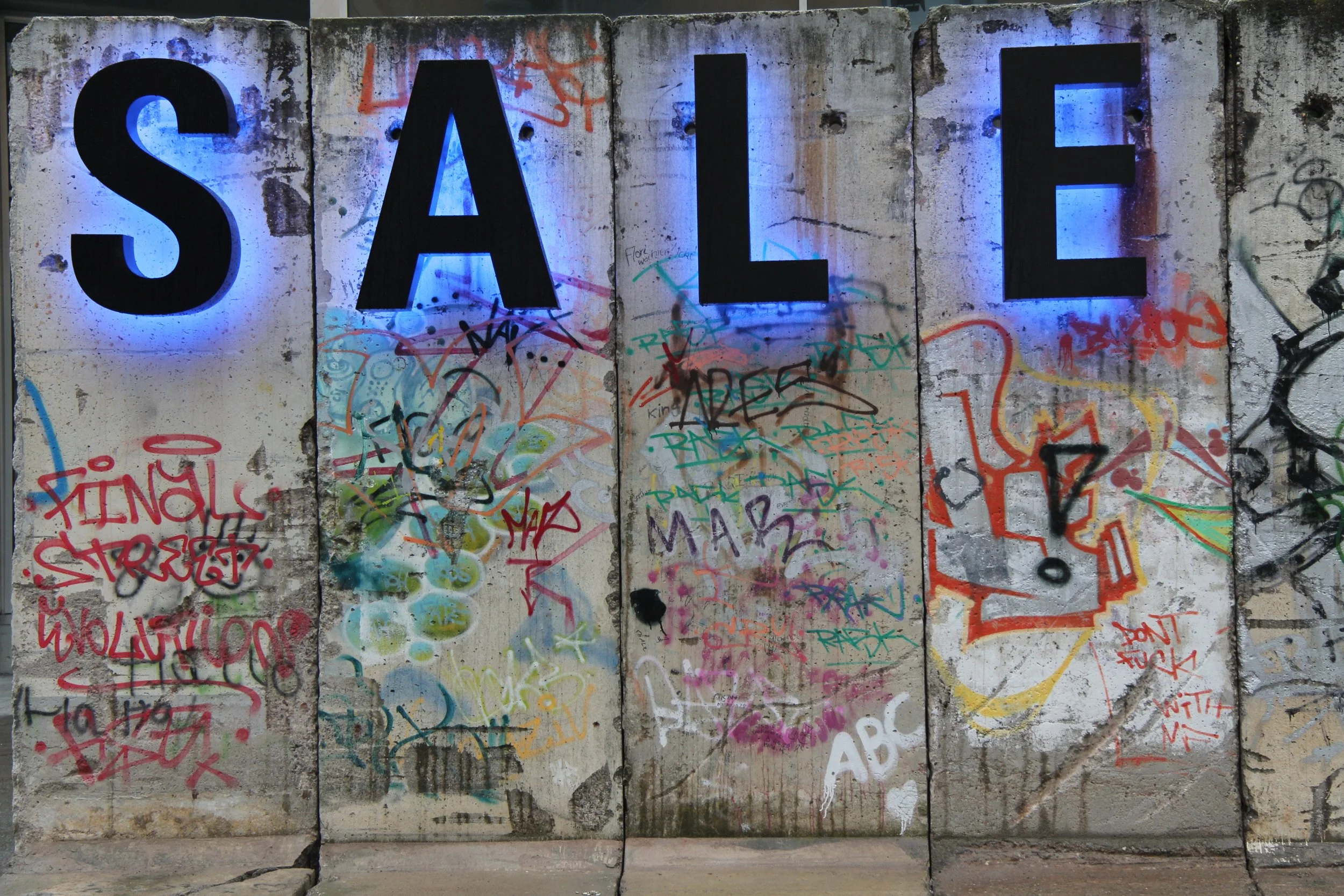
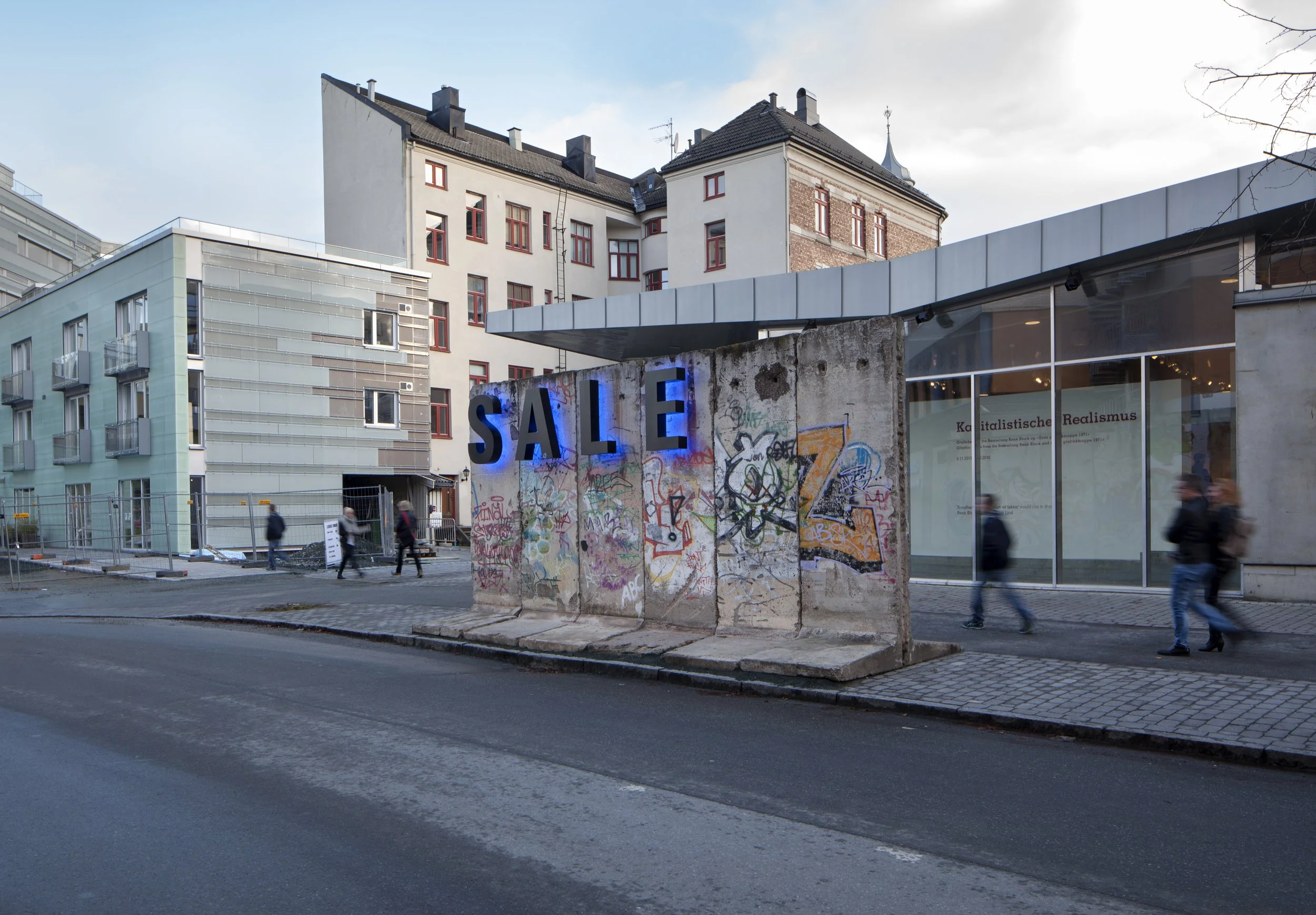
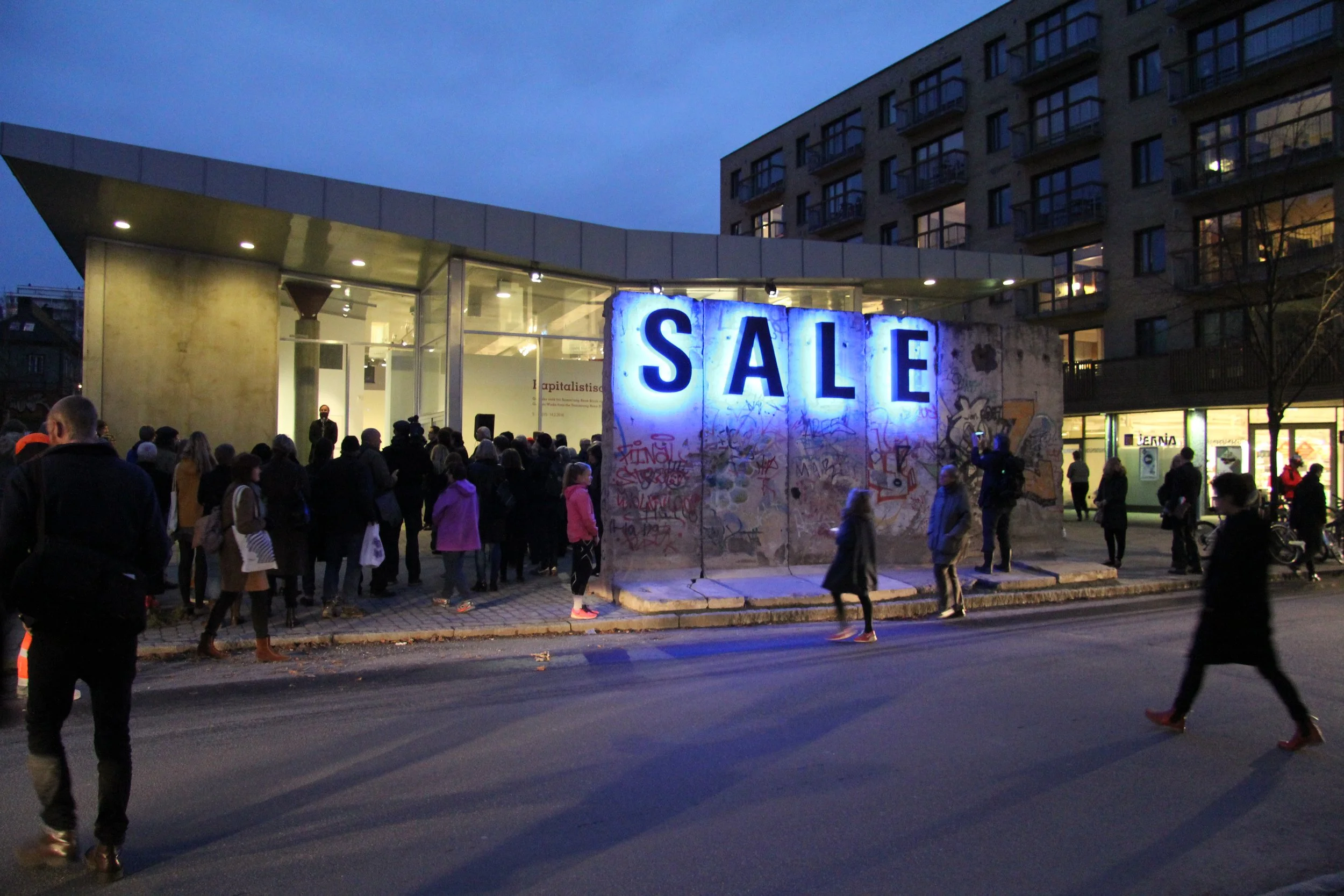
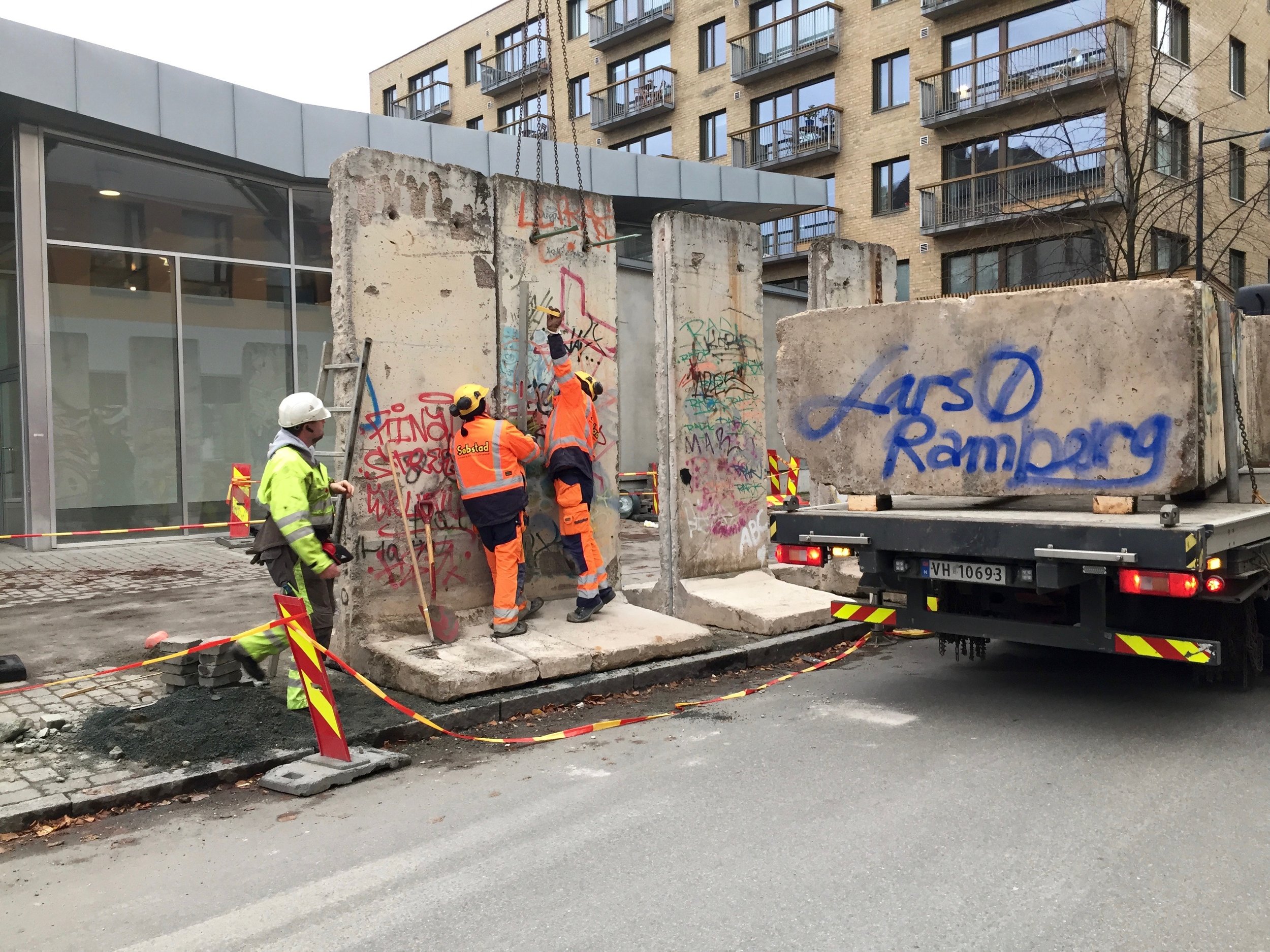
The title pays homage to the “Capitalist Realism” movement by artists like Gerhard Richter, Sigmar Polke, Konrad Fischer and Manfred Kuttner. Their paintings were ironic commentaries and criticized the increasing consumer behaviour within the German society of the 60s. In 1961, Richter fled the GDR and moved to Düsseldorf, the same year that marked the building of the so-called “anti-imperialist barrier”. This conceptual art piece for Trondheim, “Kapitalistischer Realismus”, deals with the current ambivalence between idealism and capitalism, between the administration of historic legacy and the recent temptations of the market value. Today cultural institutions get rated by their marketing success and artists by their sense of entrepreneurship. Trondheim’s art museum Gråmølna used to be a soup kitchen for poor dock workers and later became a police station. Today the harbour has been transformed by the construction of luxury apartments and corresponding landing-stages for yachts. The neighbourhood formally called Gråmølna (gray mill) has now been renamed Solsiden (sunny side).
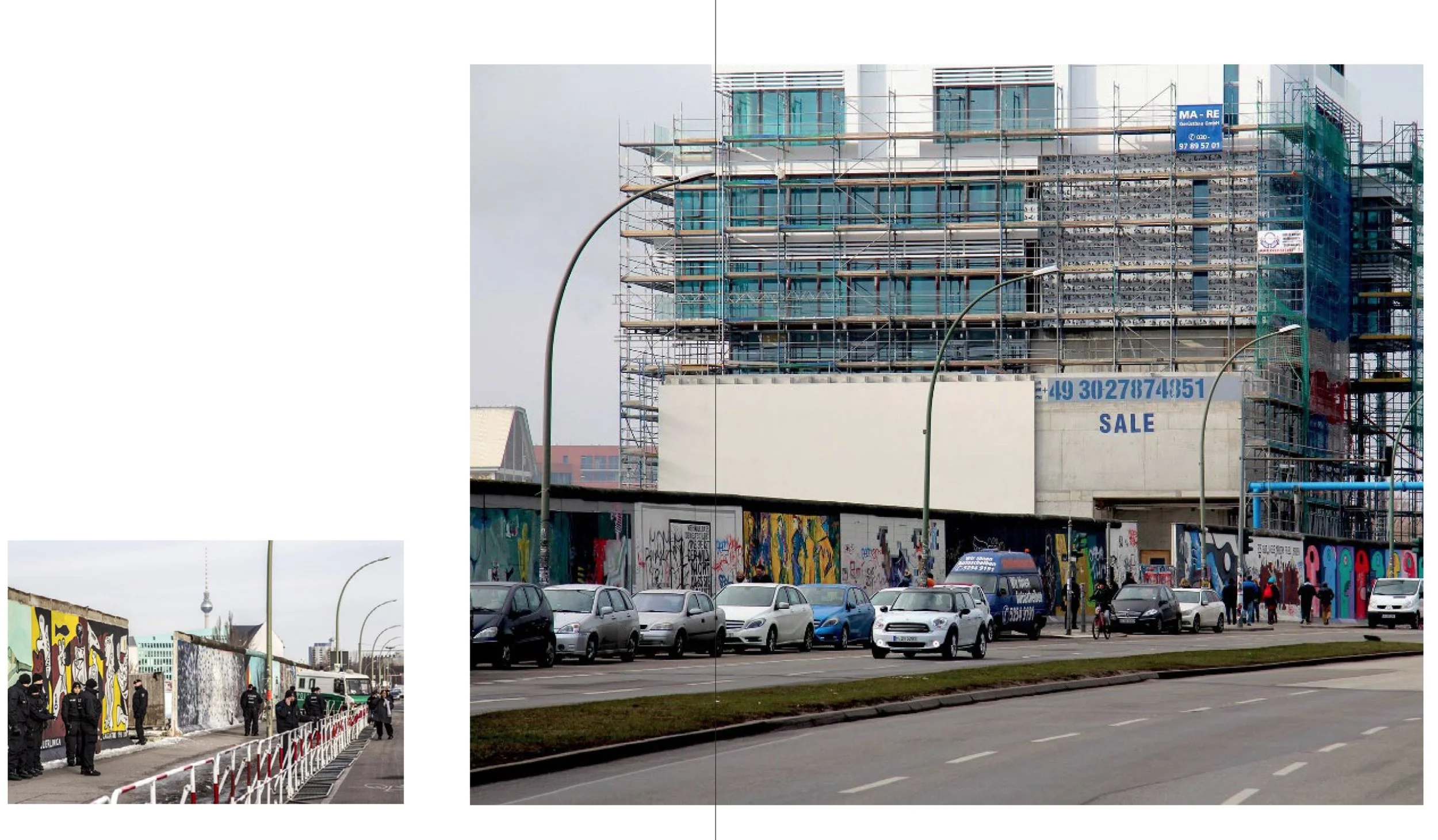
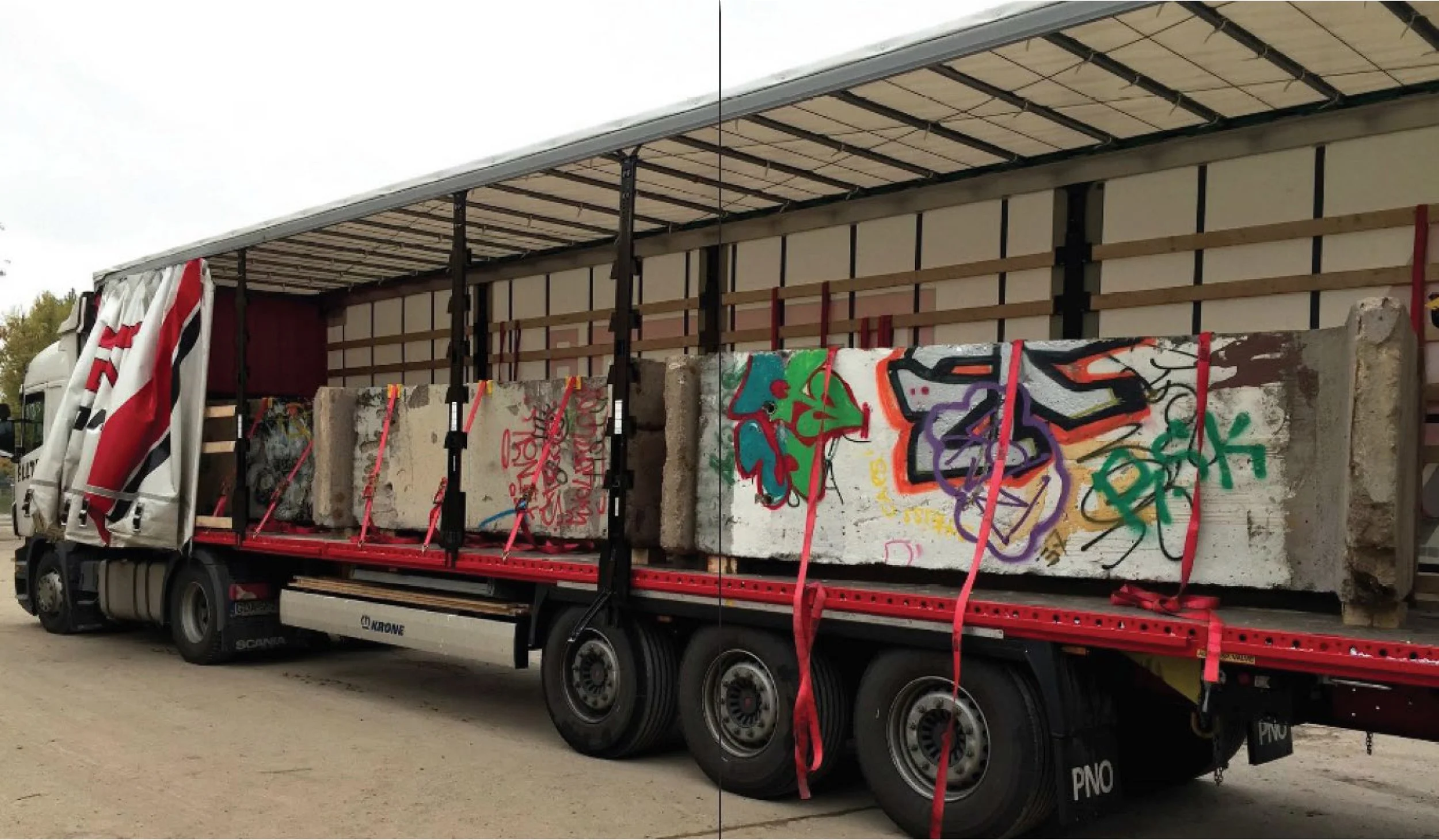
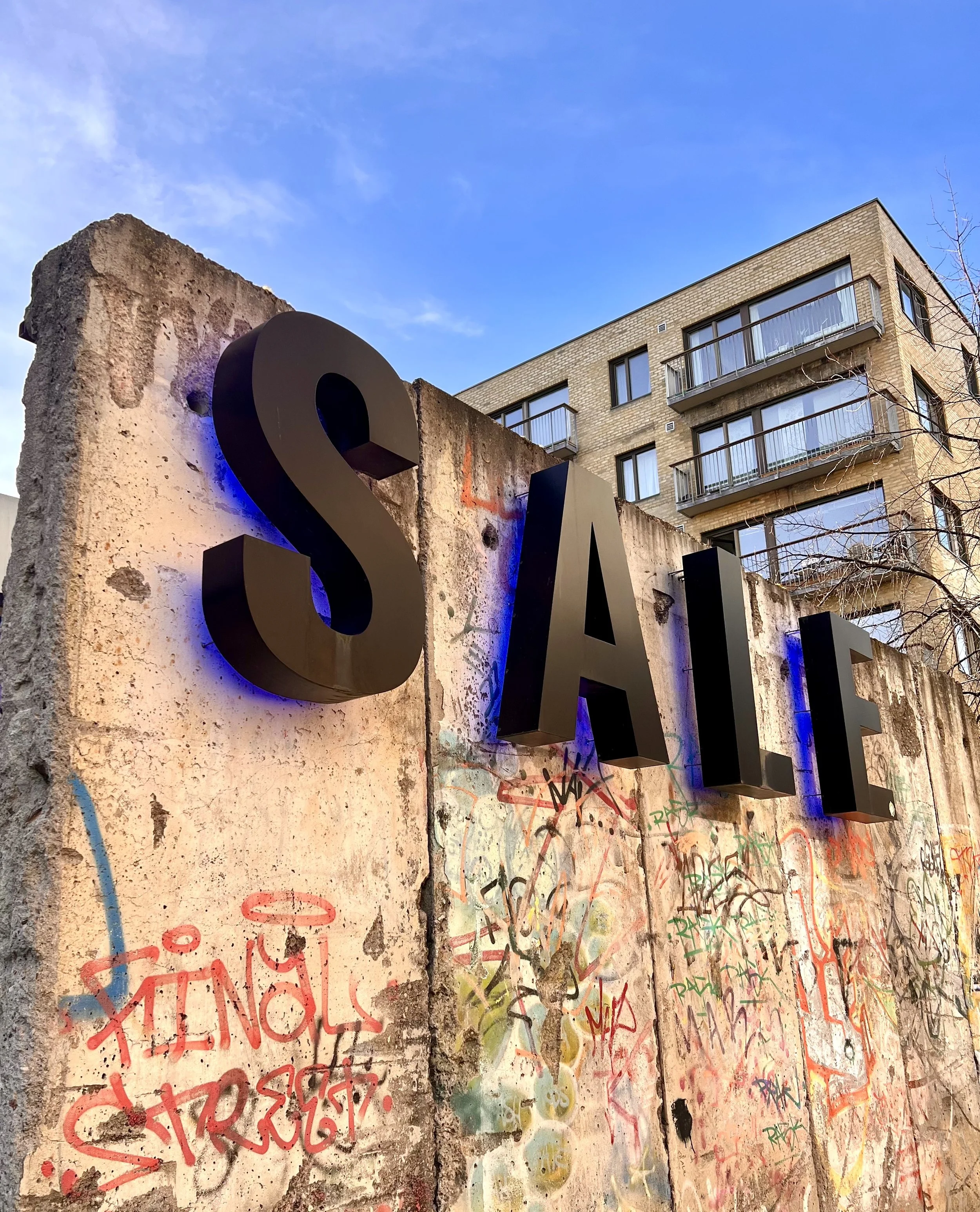
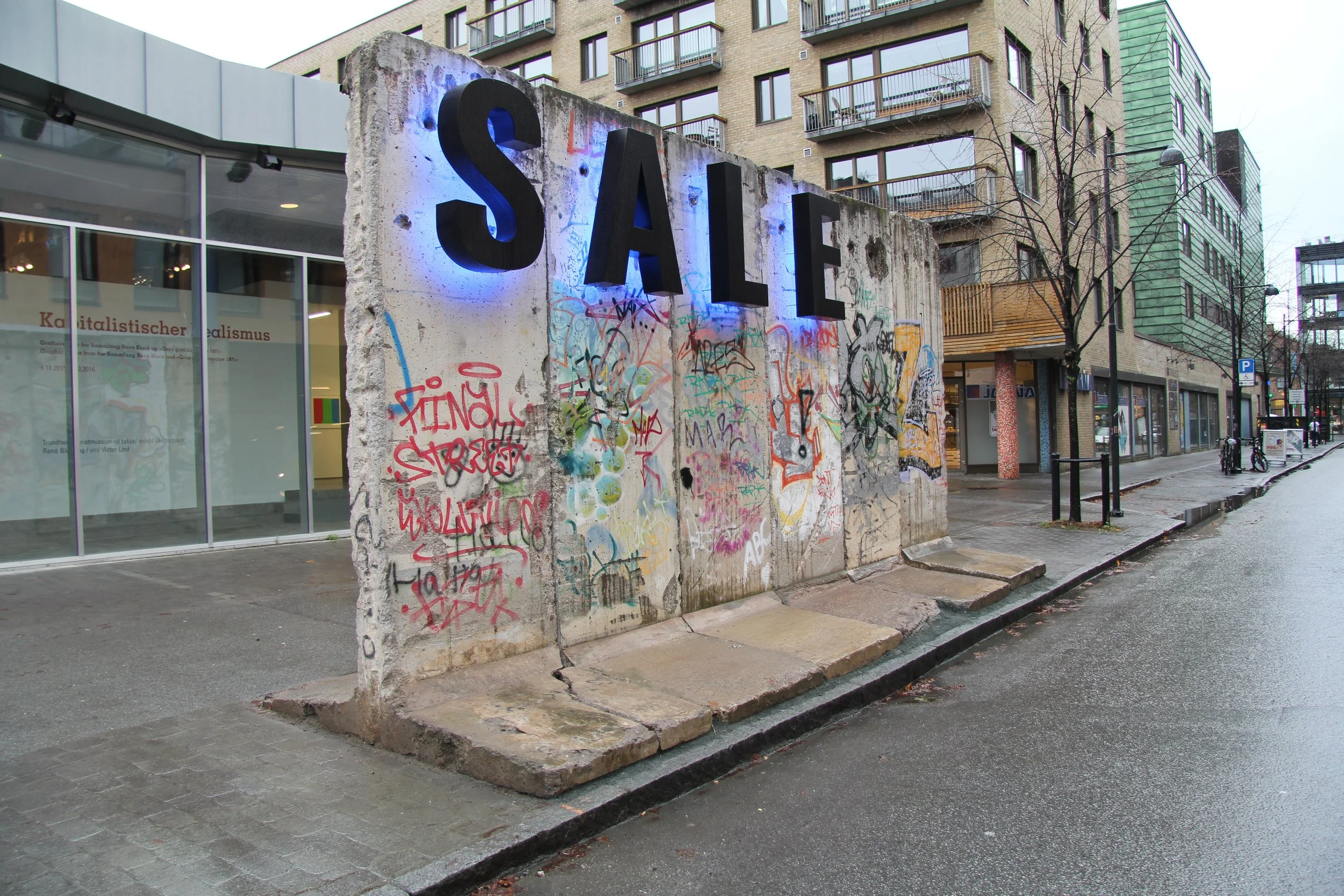
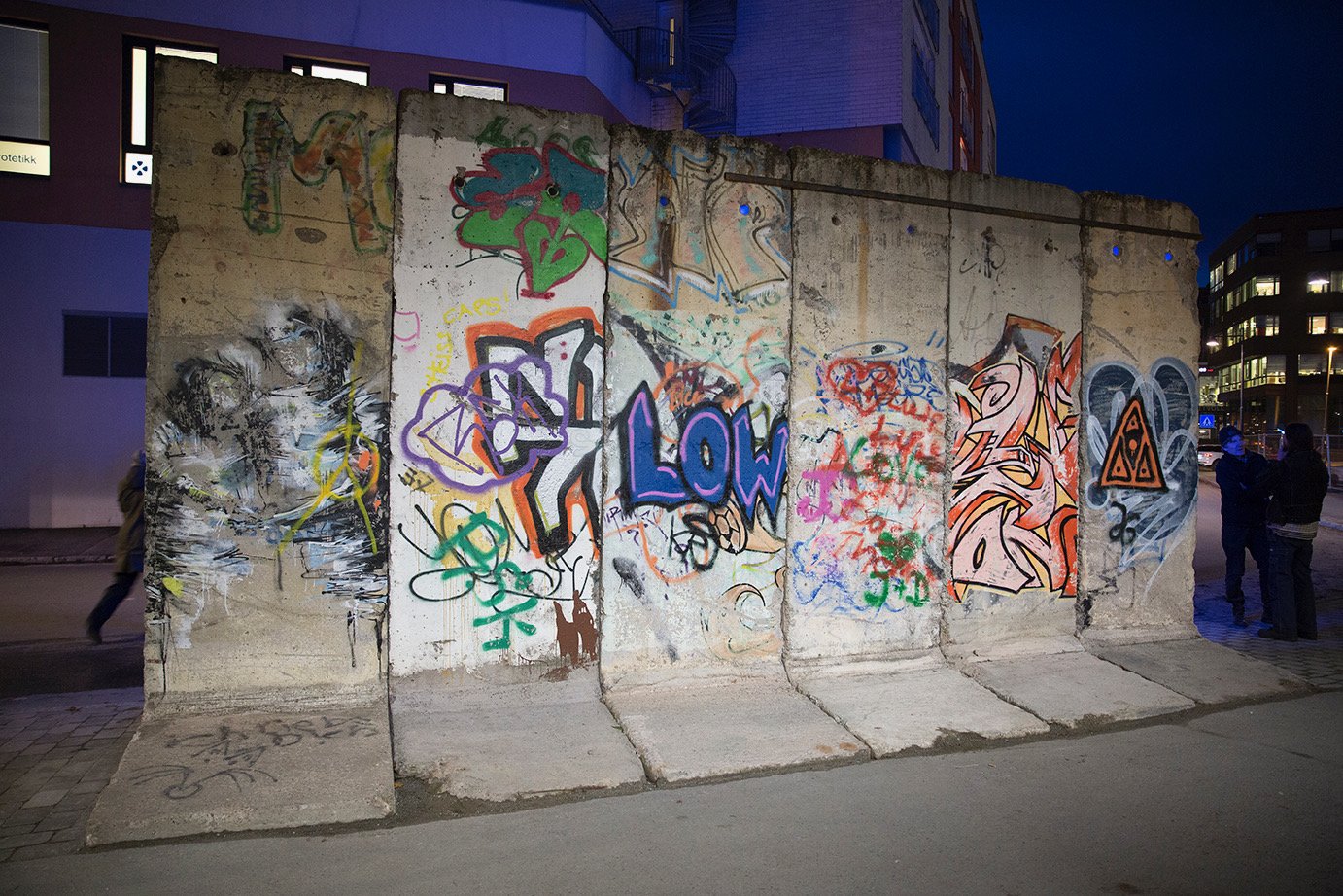
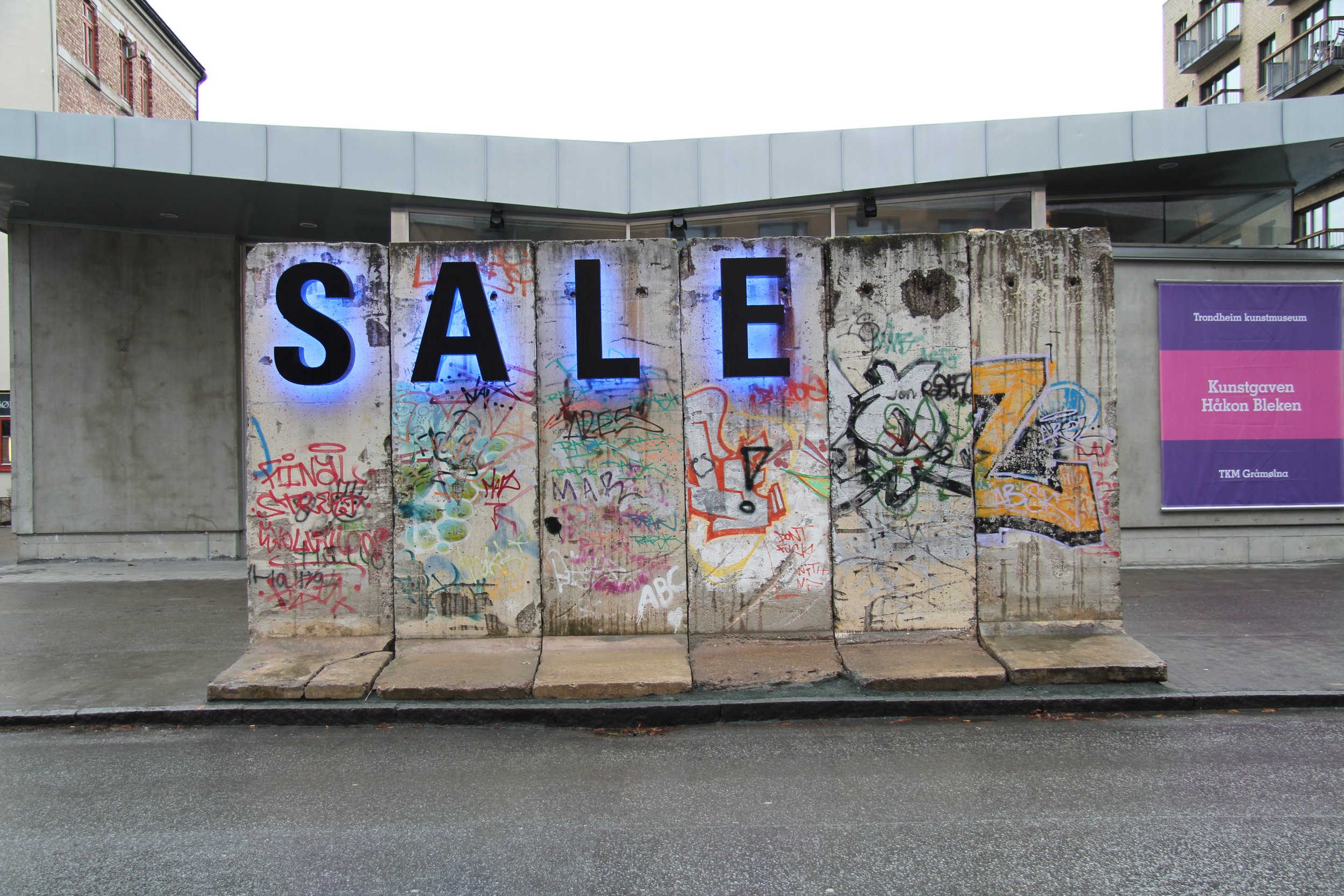
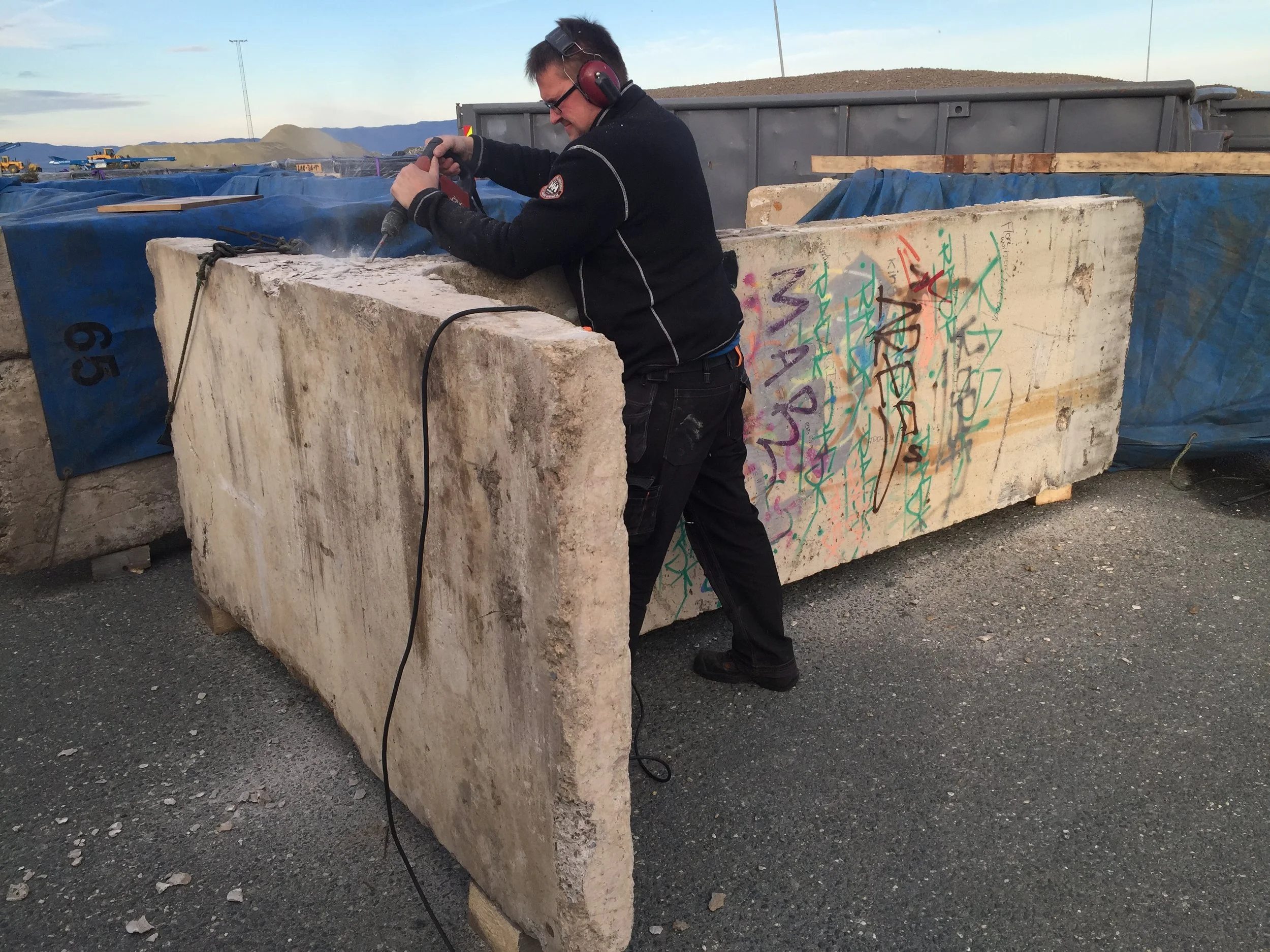
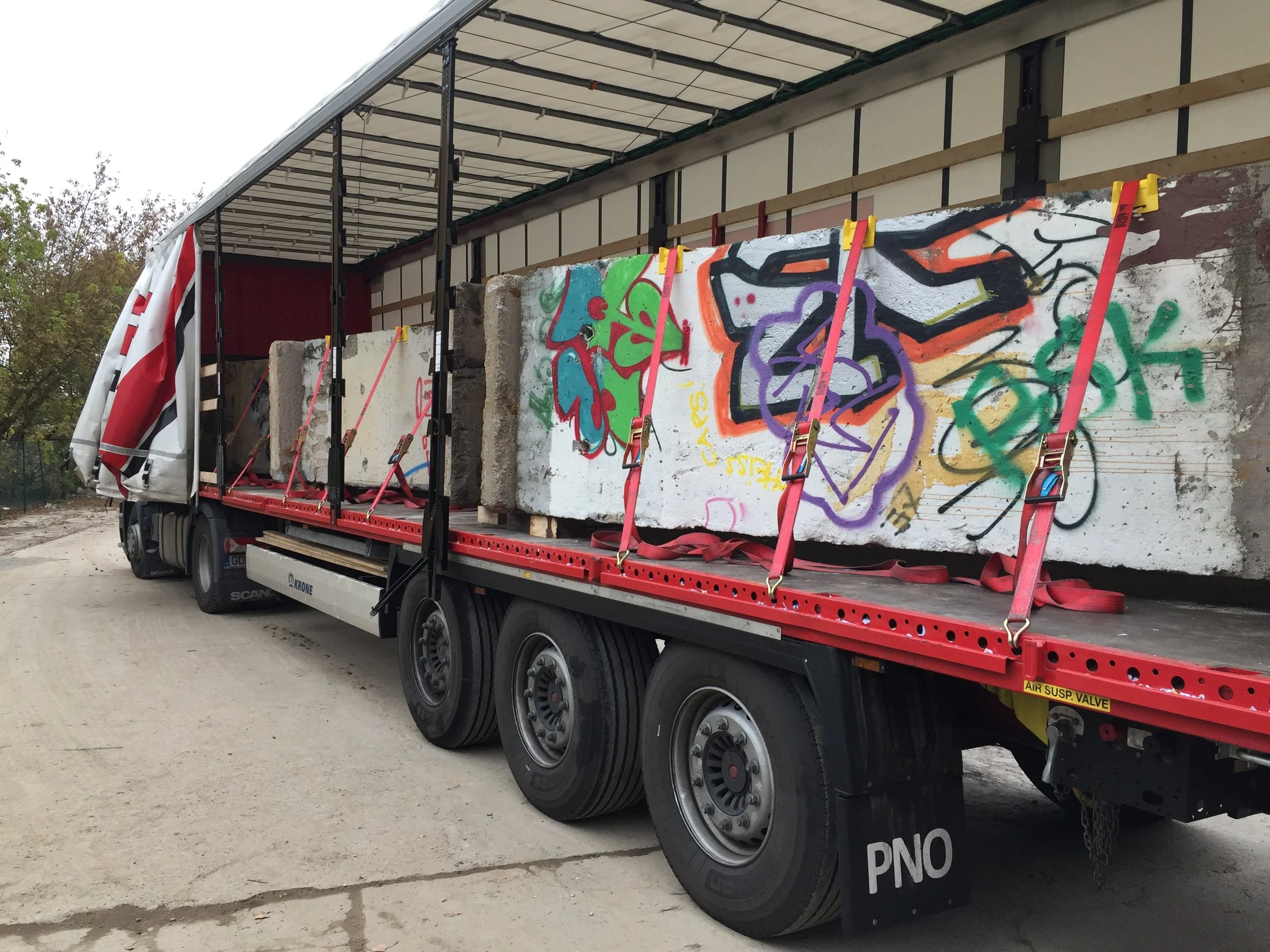
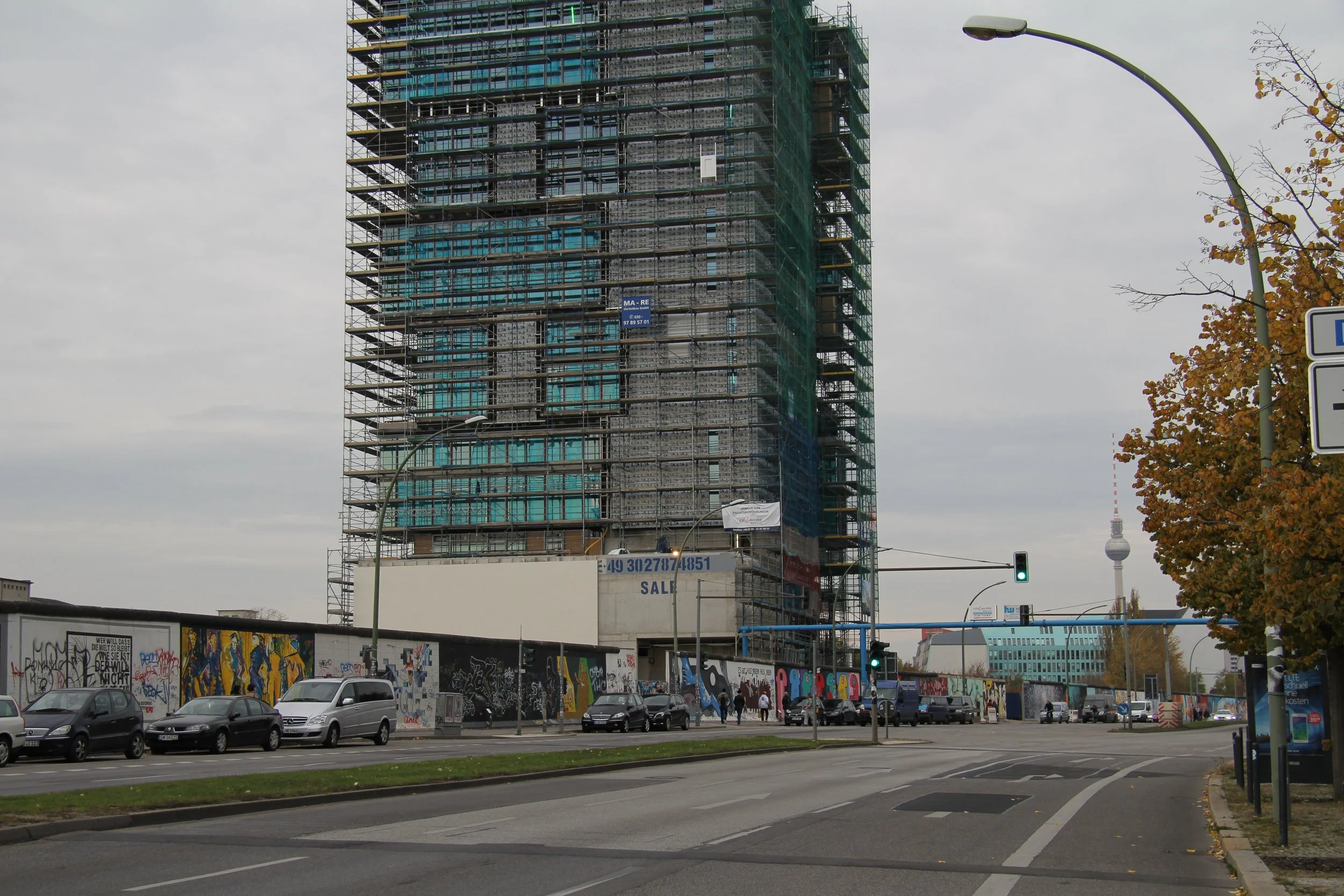
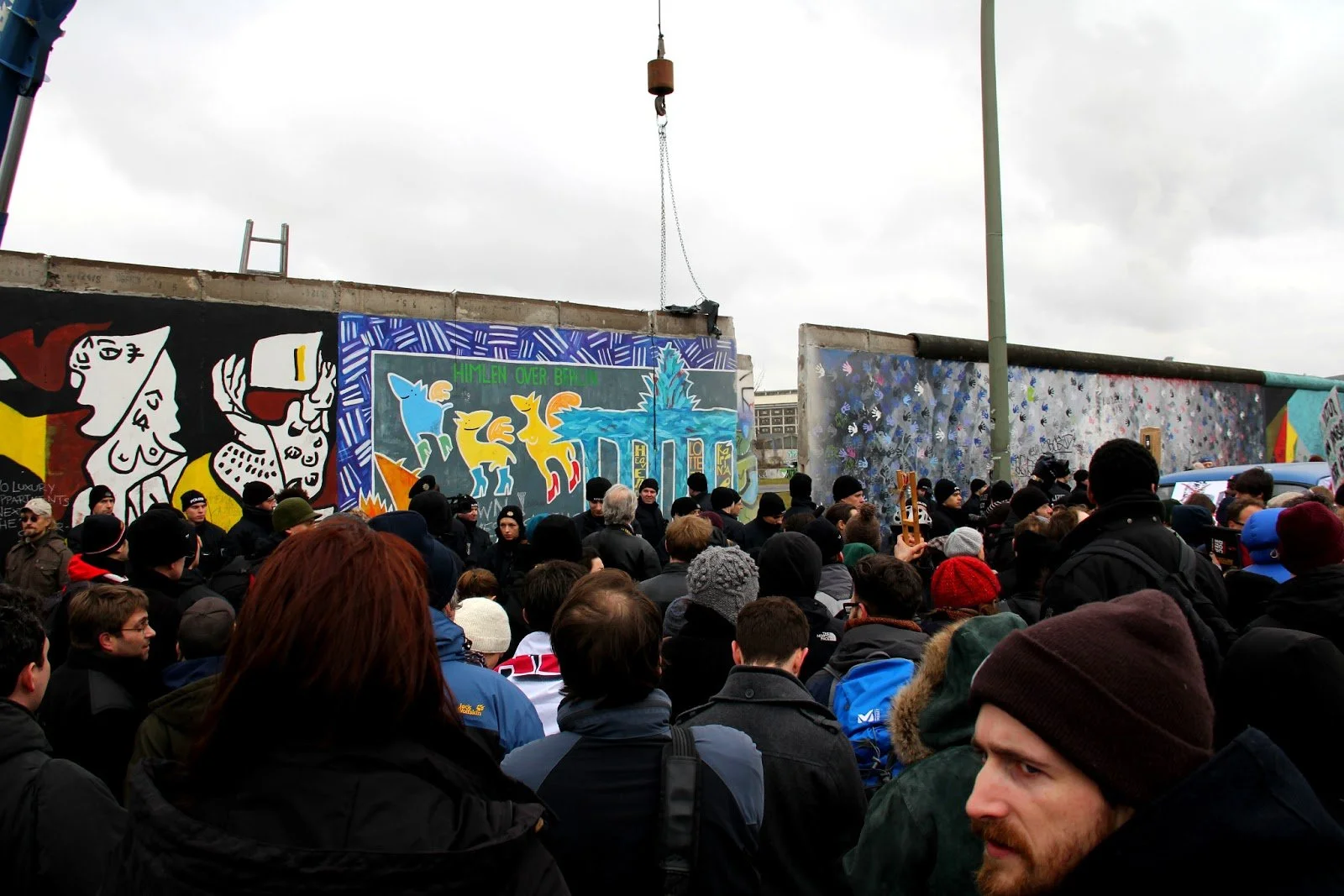
The Berlin Wall, once a symbol of the Cold War, has transformed to a symbol of freedom. The fall of the Wall in 1989 represents a reunified Germany and a united Europe. The longest, still standing part of the Berlin Wall, the East Side Gallery along the river Spree, is protected as a historic landmark. Despite the priceless historic value, real estate investors have recently been given permission to pierce and remove parts of the wall to build flats and event arenas. Berlin needs the money. Chipped into small pieces, the wall is being sold as a souvenir and large pieces serve as design elements in shopping malls and private collections. To address the purchasability of the Berlin Wall, Ramberg has purchased six pieces of the original wall, with the intention of becoming “part of the problem” himself.
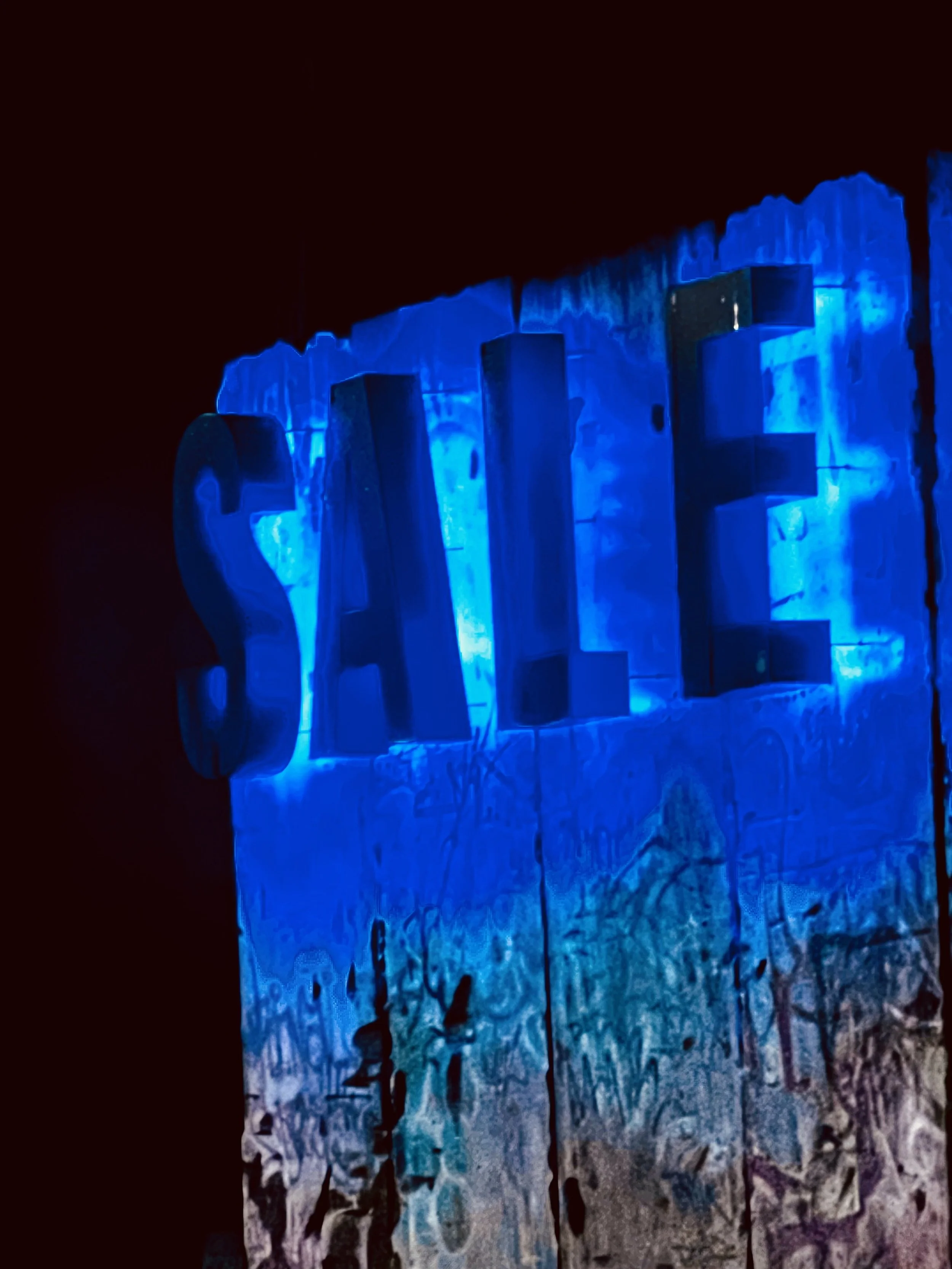
With “Kapitalistischer Realismus” Ramberg turns the Wall into a medium for larger political discourse; not about the Cold War, not about freedom, but about the global market value of historical artefacts and the value of art. This discourse is reaching far beyond Berlin.