







F R E M D G E H E N
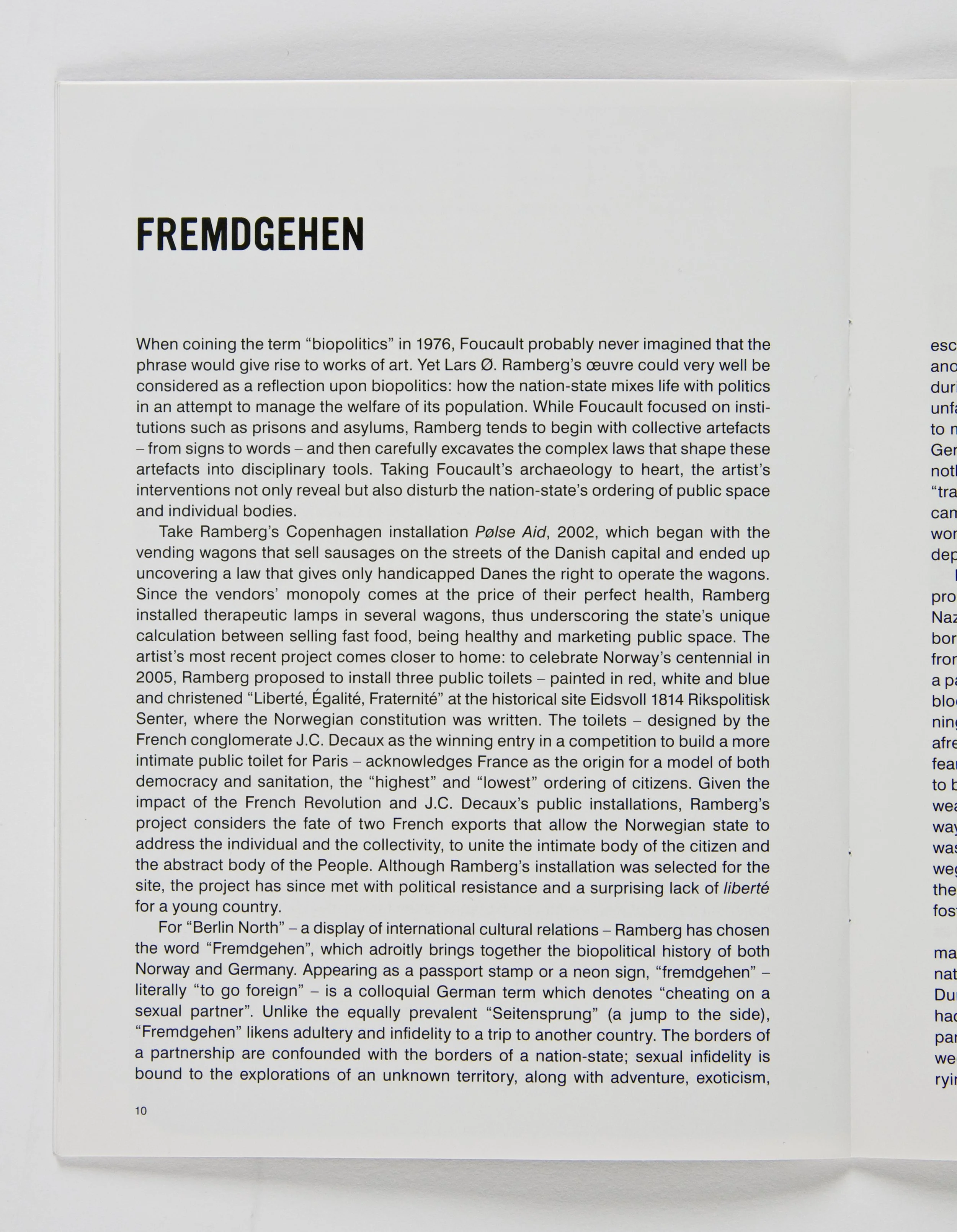
Fremdgehen was developed in the context of the exhibition Berlin North, a major group show at the Museum of Contemporary Art Hamburger Bahnhof in Berlin, which addressed the impact of the migration of Scandinavian artists to Berlin since the 1990s. As an artist living in Berlin, Lars Ø Ramberg was invited to create a site-specific work for the exhibition. Rather than focusing on contemporary Scandinavian art, he shifted attention to a largely forgotten group of Norwegian women in Berlin.
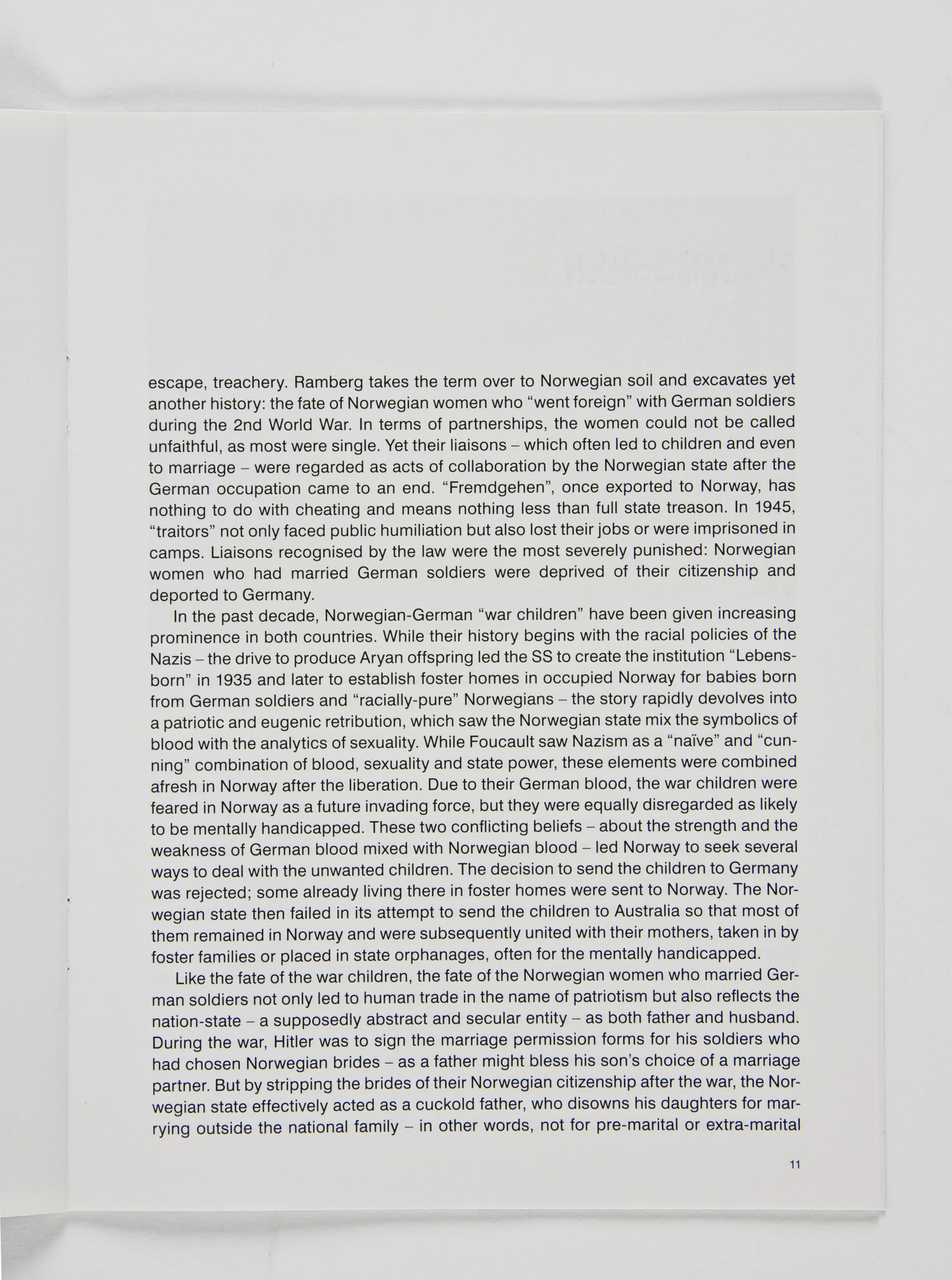
After Norway’s liberation from German occupation in 1945, thousands of young women were publicly humiliated, had their heads shaved, were interned, and imprisoned without trial for being accused of having been “soiled” through relationships, or alleged relationships, with German soldiers. Their passports were confiscated; many were deported to Berlin after a year of internment, transported in closed cattle wagons similar to those used in Nazi deportations. Upon arrival in Berlin, they were expelled at the Central Station. In 1996, this same site became the Museum of Contemporary Art Hamburger Bahnhof.
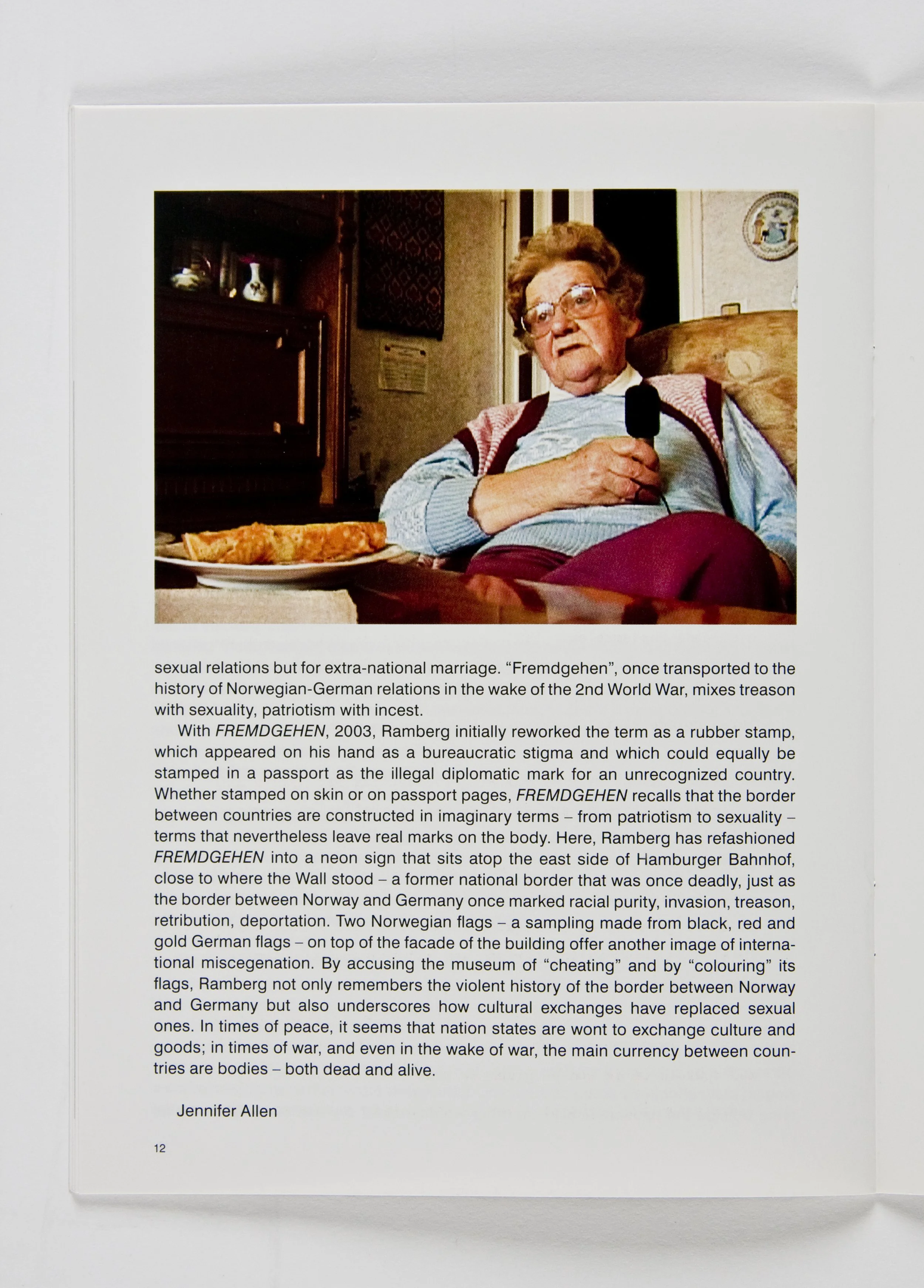
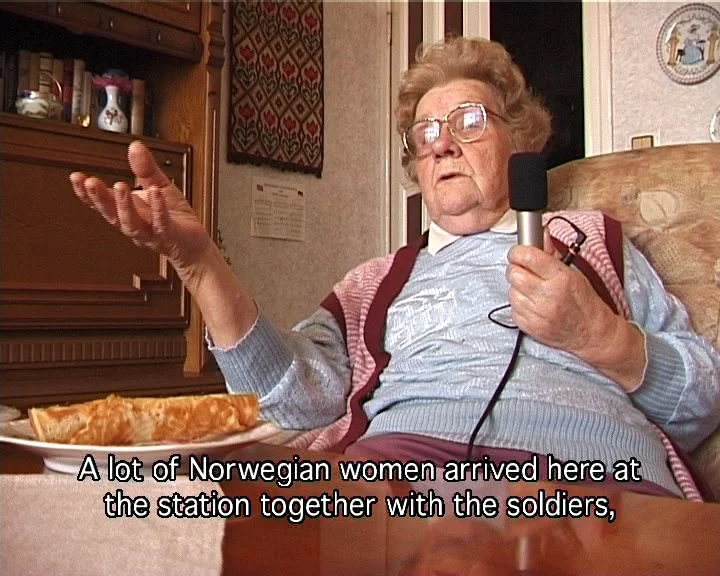
As part of his research, Ramberg tracked down and interviewed some of the few women still alive. The work reframes the question of guilt and loyalty: who was unfaithful—the women who entered relationships with German soldiers, or the Norwegian state, which responded after the war with collective punishment, internment, and deportation? Even decades later, the women had received neither amnesty nor an official apology.
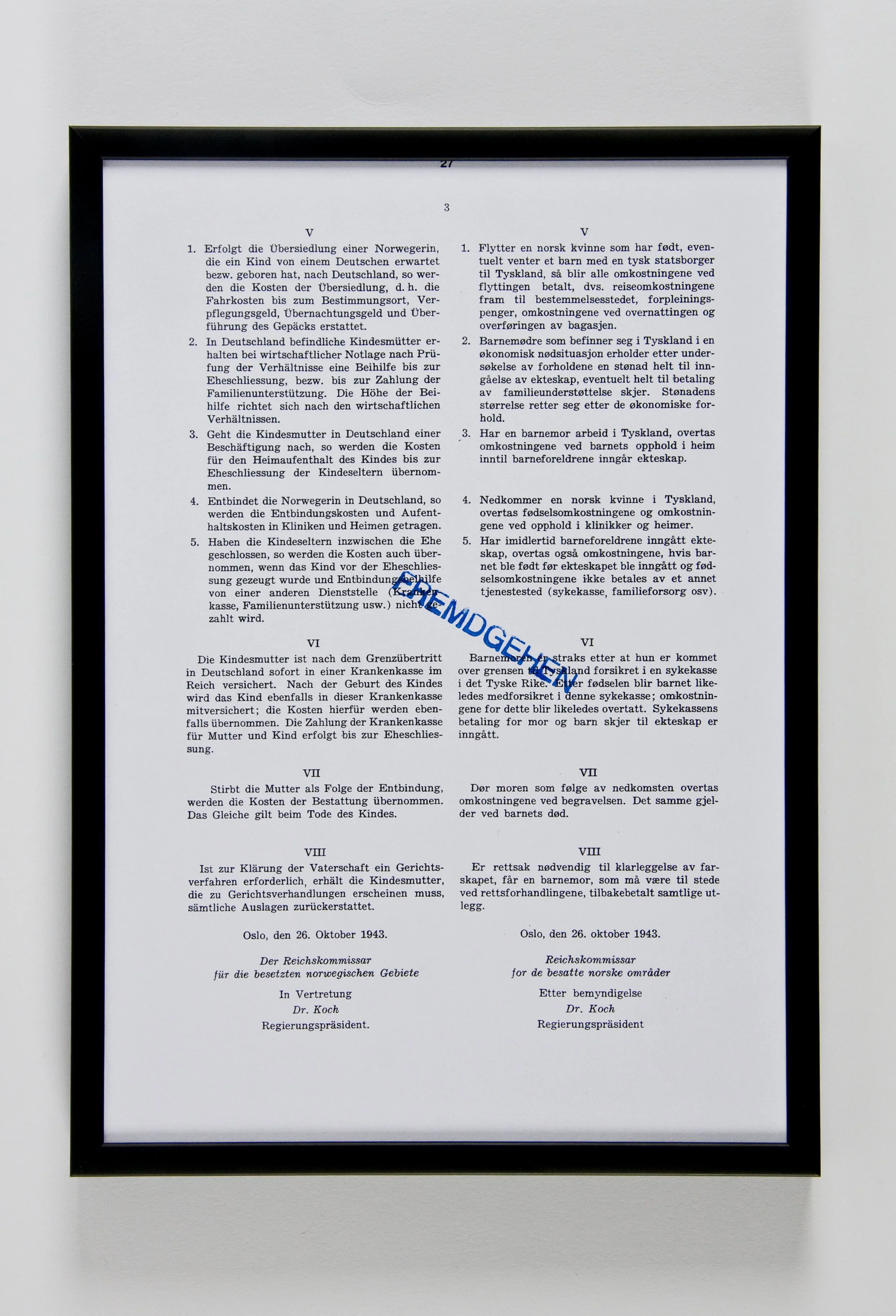
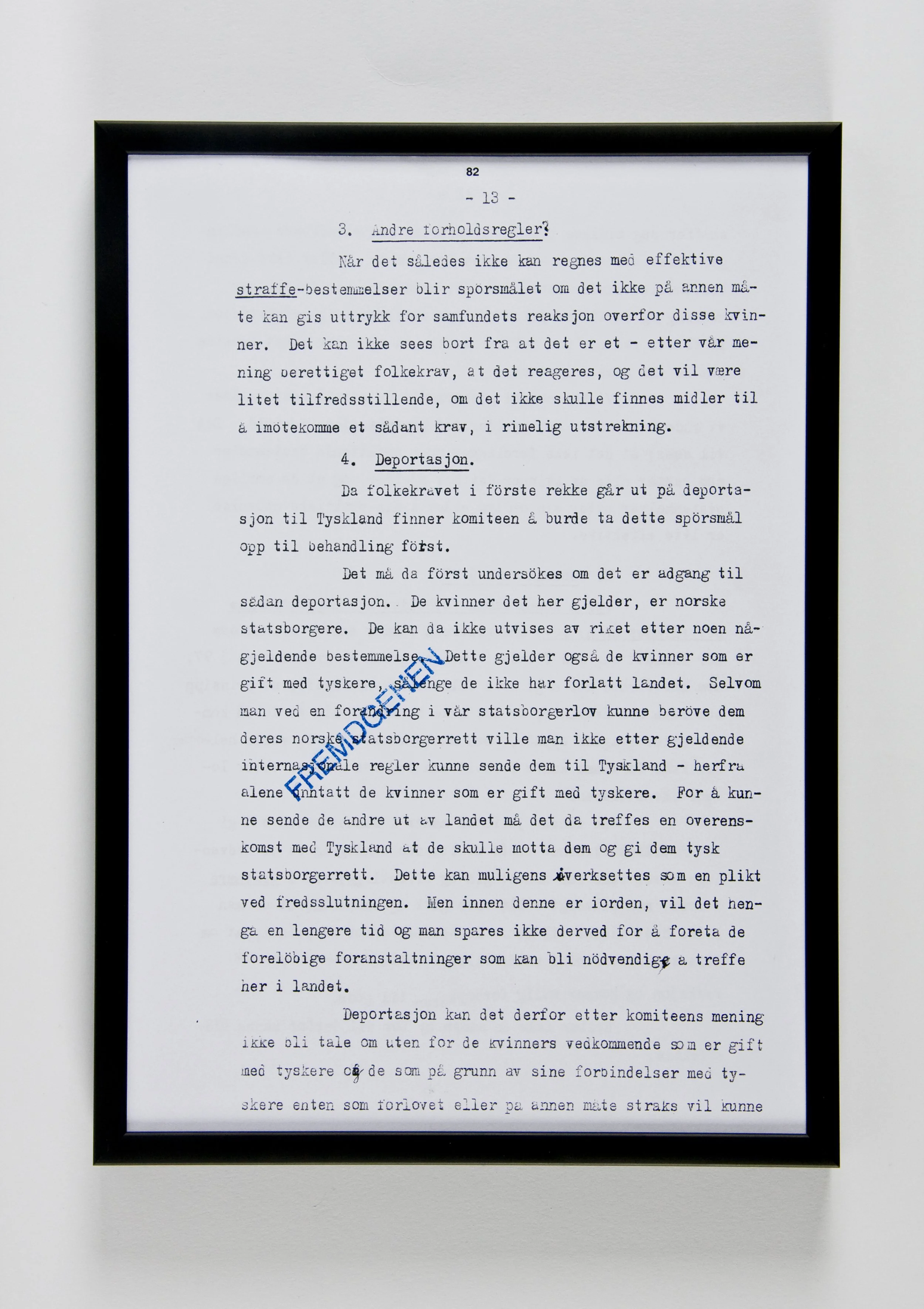
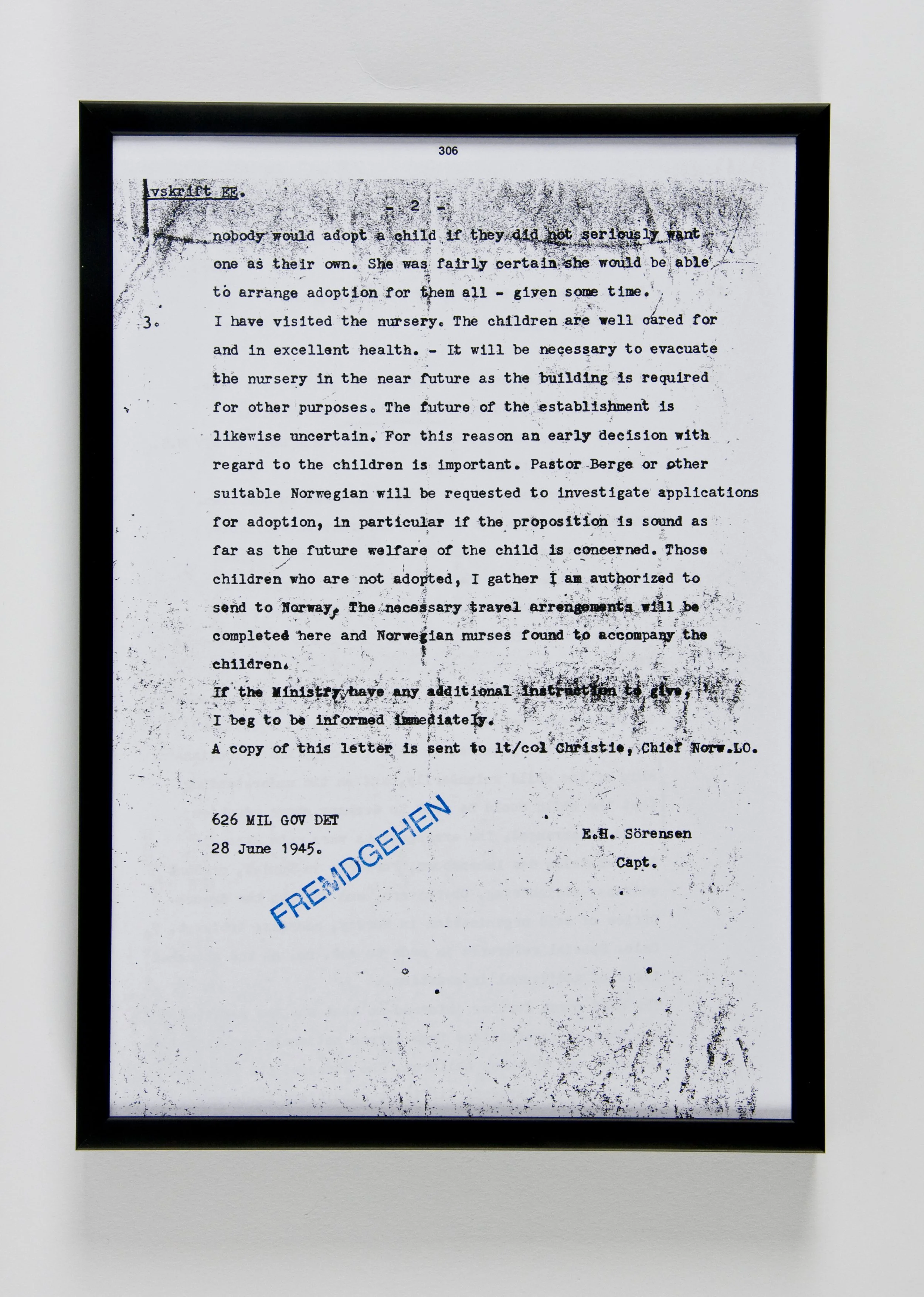
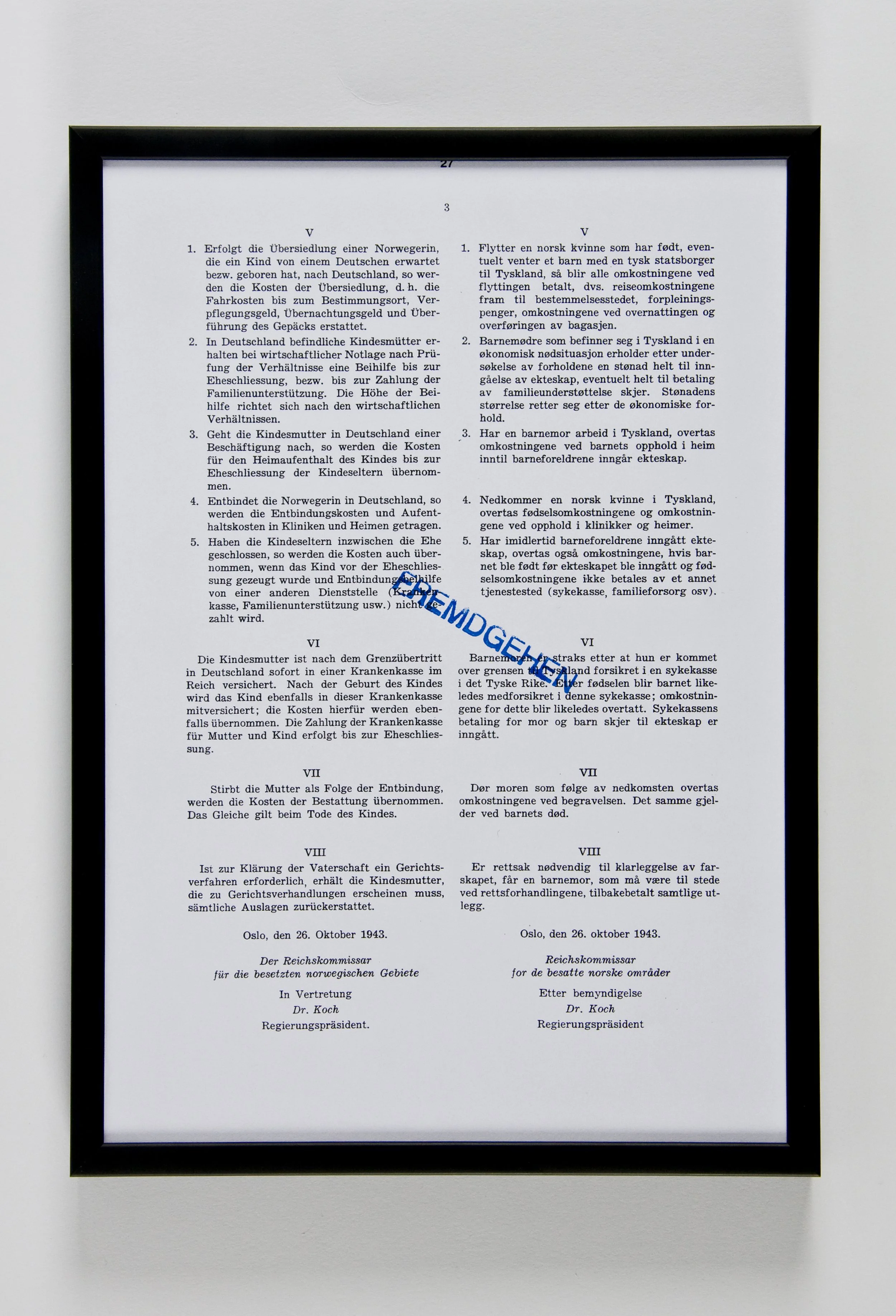
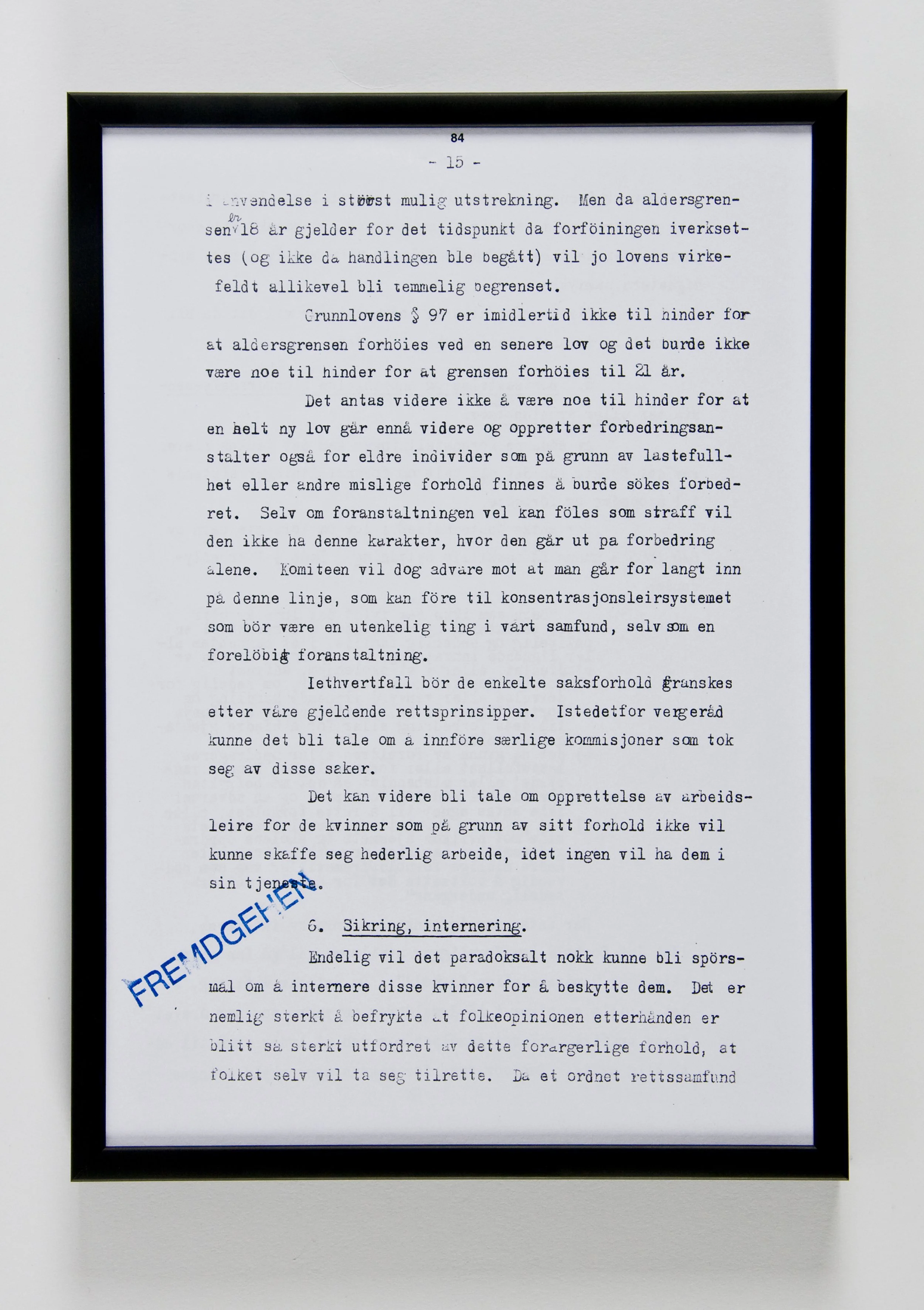
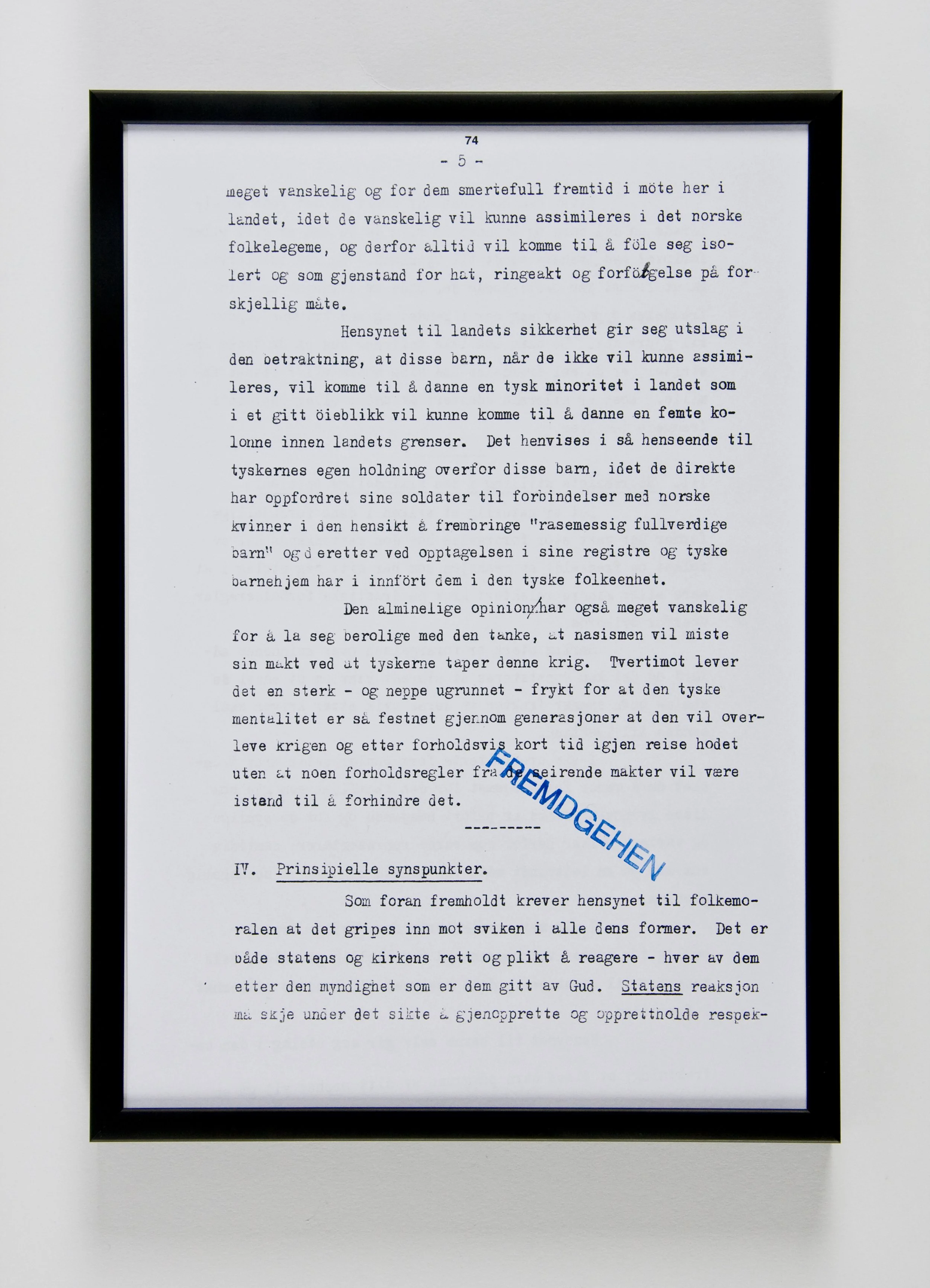
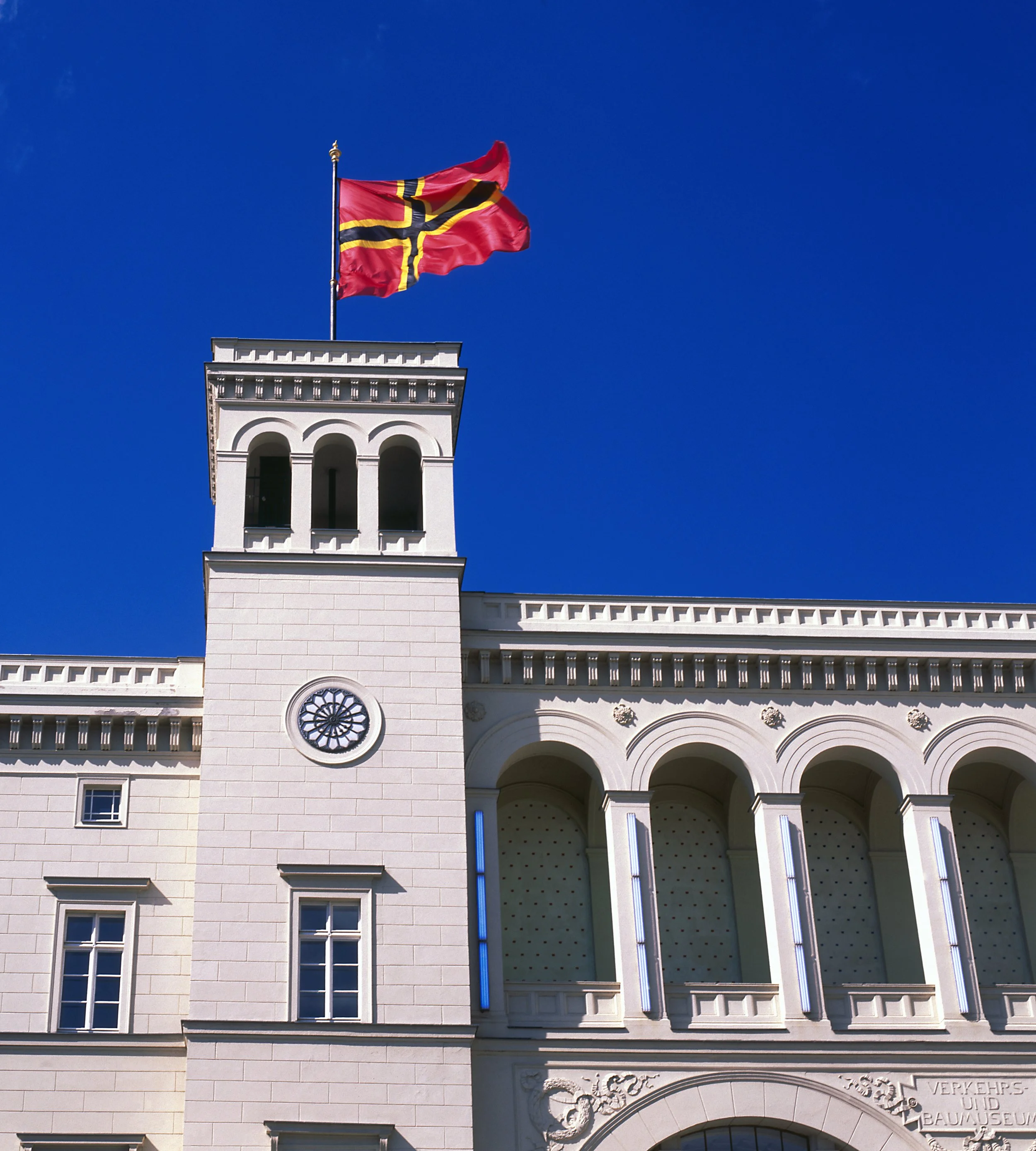
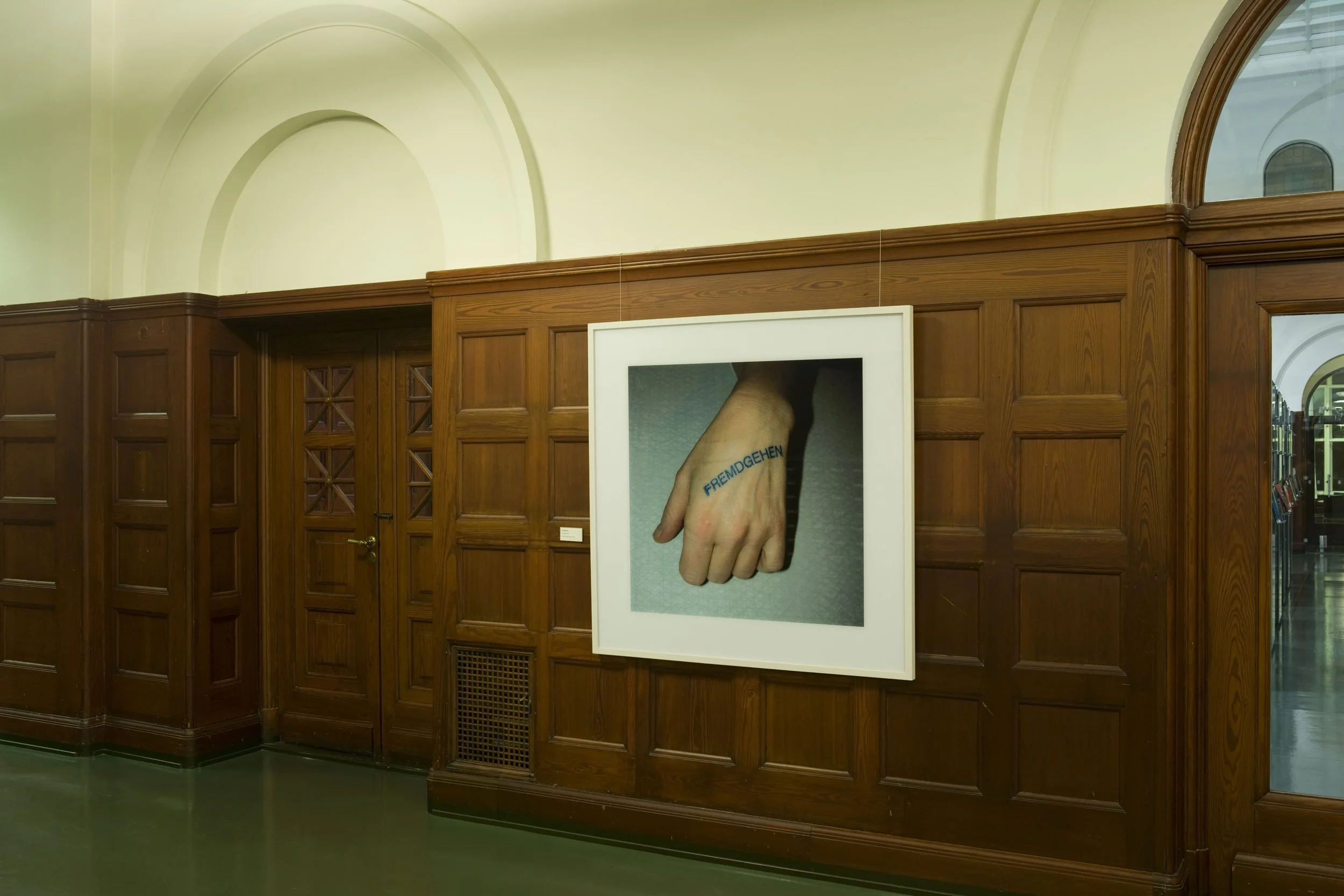
The artwork consists of 65 political documents from 1946, a video interview with an exiled Norwegian woman, a ten-meter-long fire-red neon sign mounted on the roof of the museum bearing the word Fremdgehen (“to go to the foreign / to be unfaithful”), and two manipulated flags installed on the museum towers. The authentic German black-red-gold flag was cut apart and reassembled in the design of the Norwegian flag.
Fremdgehen exposes how social norms, national identity, and moral judgment were enforced in the aftermath of World War II. Embedded in a specific historical site and a largely suppressed history, the work reflects on mechanisms of collective discipline and raises questions of responsibility, exclusion, and state violence.