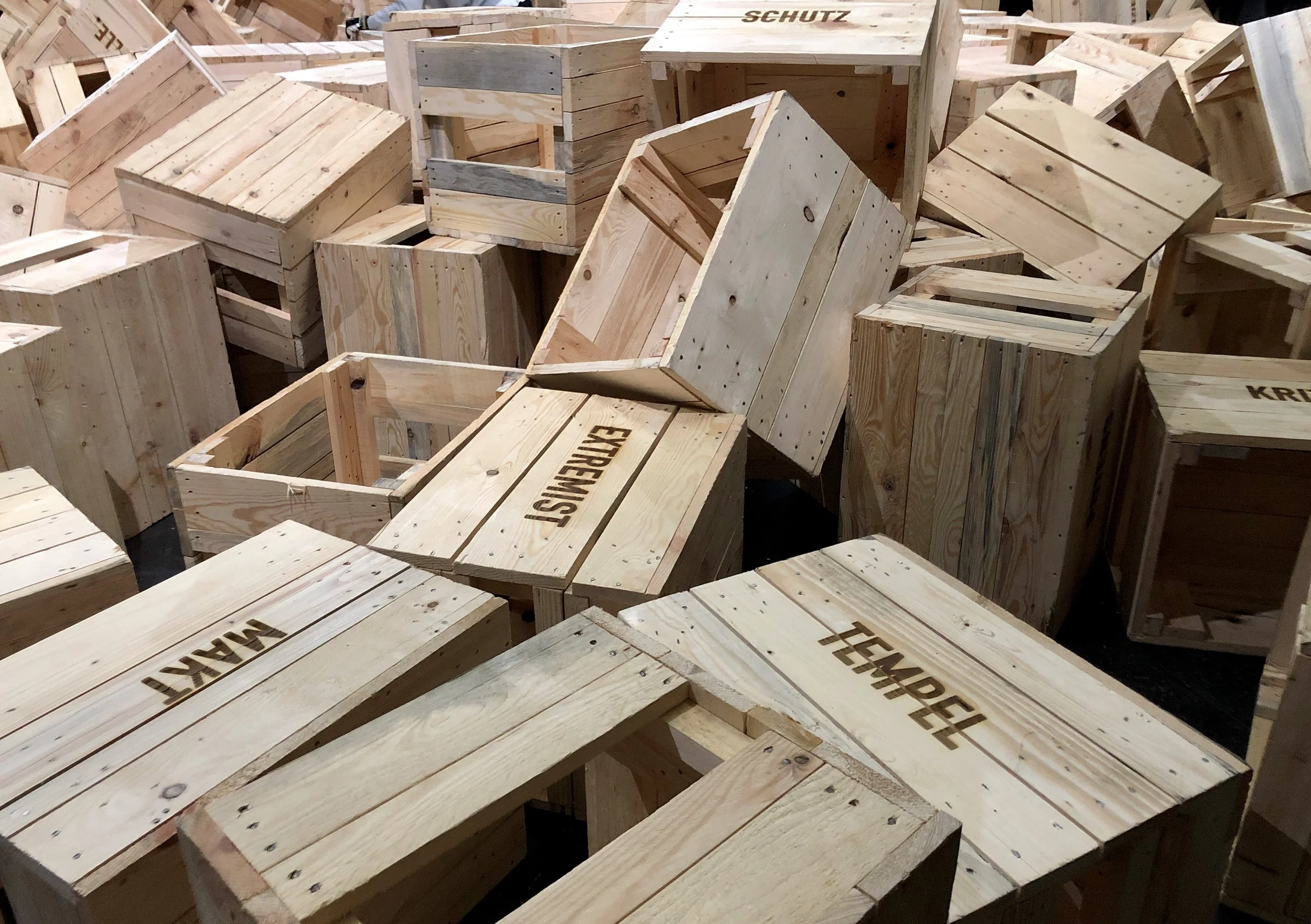
4 9 5 L O U D S P E A K E R S
Staatstheater Hannover, Hannover
Det Norske Teatret, Oslo
Bomuldsfabrikken, Arendal
On July 22, 2011, Norway was changed forever. In the middle of the summer holidays, a man disguised as a police officer parked a white van in front of the Government Quarter in Oslo. The vehicle was filled with homemade explosives made from fertilizer. Shortly afterwards, it exploded. Windows were shattered across several city blocks. Eleven people were killed, many more injured.
While the city was in chaos, the perpetrator travelled to the AUF youth summer camp on the island of Utøya – a place for political education, debate, and community. At the pier, he presented himself as a police officer before opening fire. With no way to escape, the young people faced their worst nightmare. By the time he surrendered, 69 people were dead and hundreds injured.
The perpetrator’s name spread across the world – and Norway was shocked that this man was “one of us.” The attack was a targeted attempt to massacre and silence a rising generation of strong, young voices on the political left. Many processed the trauma through books, films, theatre, and art – while he himself reacted with narcissistic satisfaction at the certainty of being remembered.
When Studio Ramberg was invited to create an artwork about the event, the starting point was clear: the work would not become a monument the perpetrator could take pride in. Instead, the perspective was reversed – away from commemorating the dead, which would have indirectly confirmed his intention, towards giving a voice to the 495 who survived.
495 Loudspeakers gives each survivor a lectern, inspired by Speakers’ Corner in London’s Hyde Park. Until 1783, the gallows of Tyburn stood here, where the condemned would deliver their “Last Dying Speeches.” After the abolition of executions, the idea of free speech endured – a place where anyone could speak without censorship.
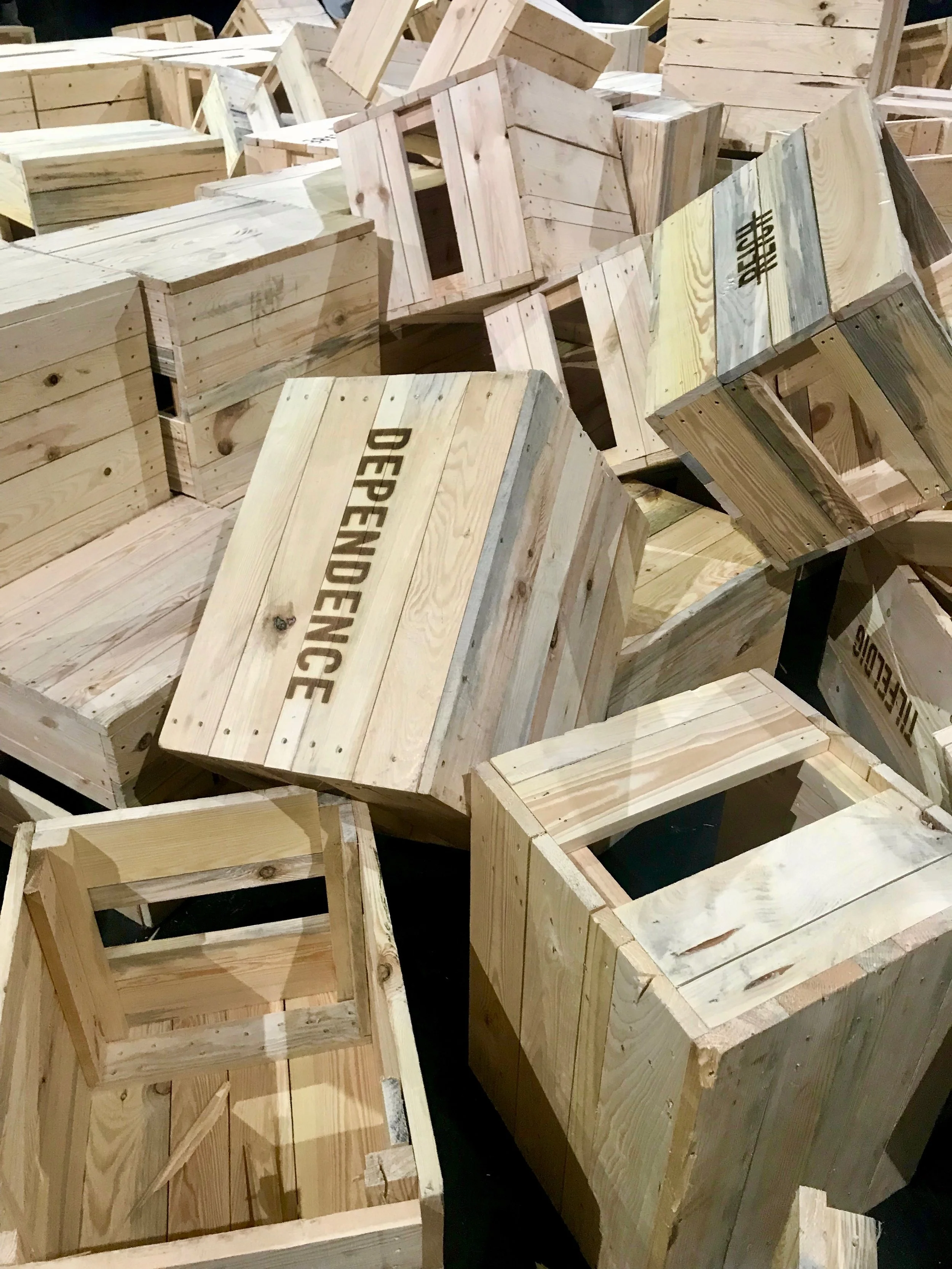
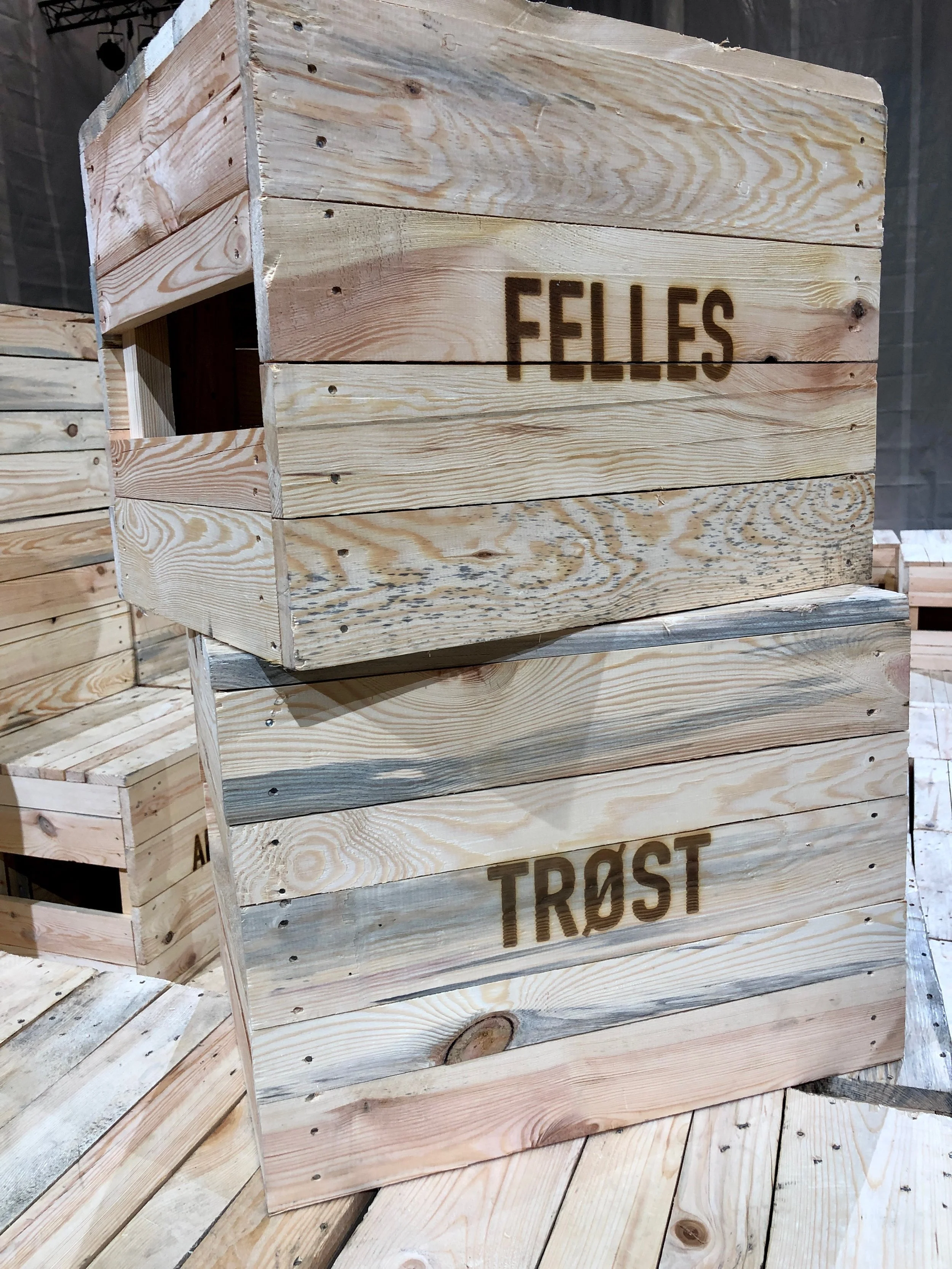
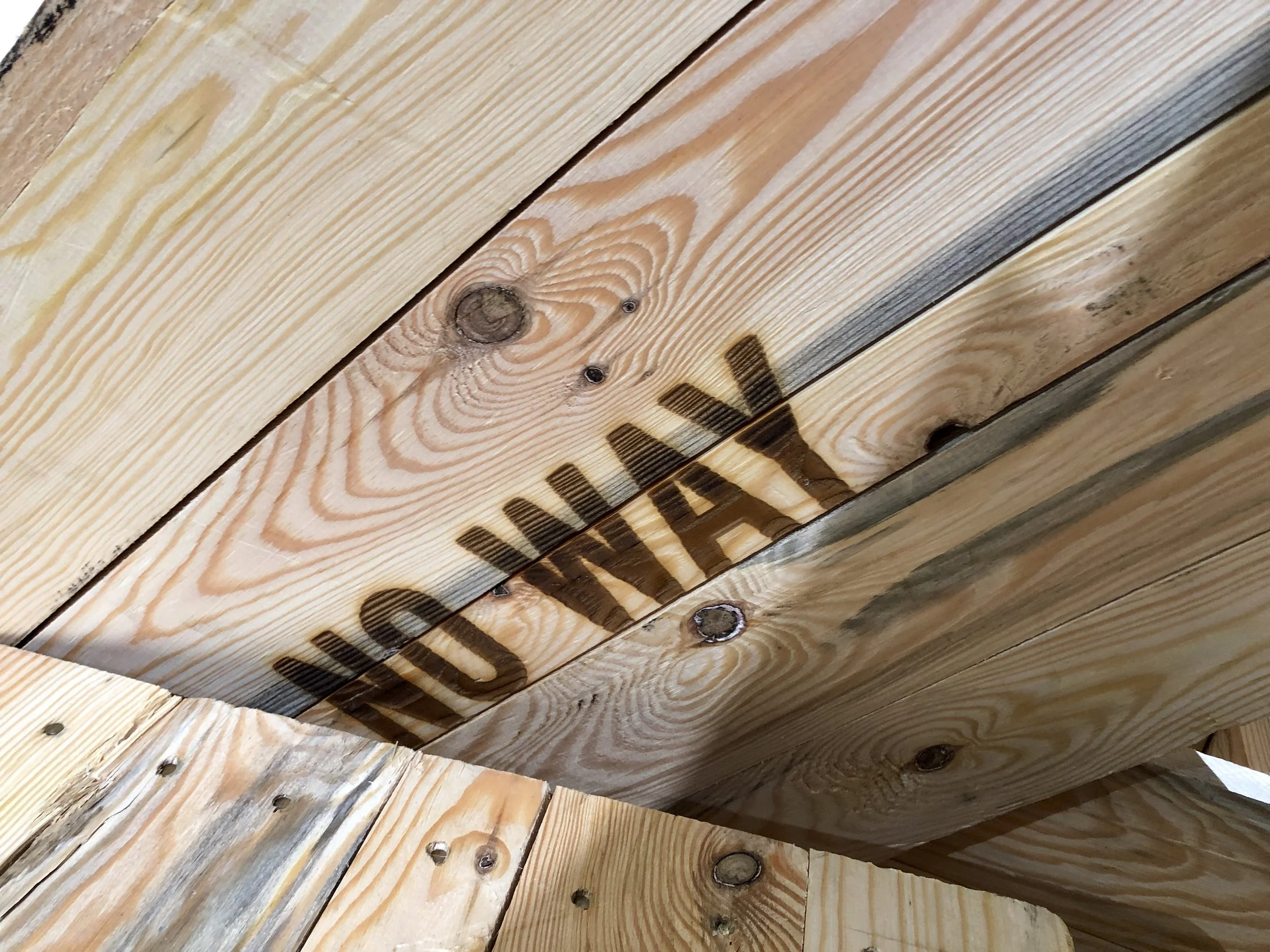
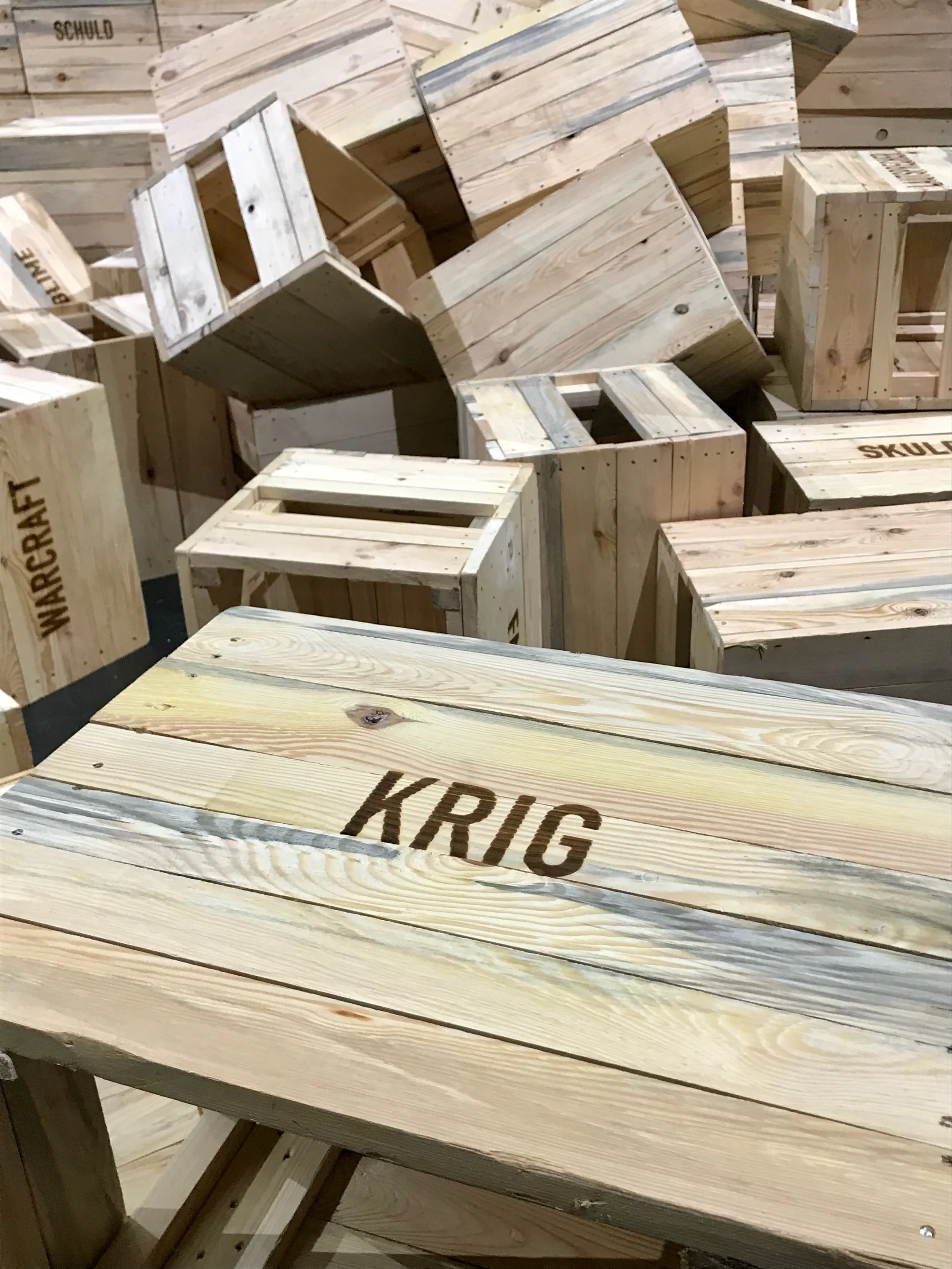
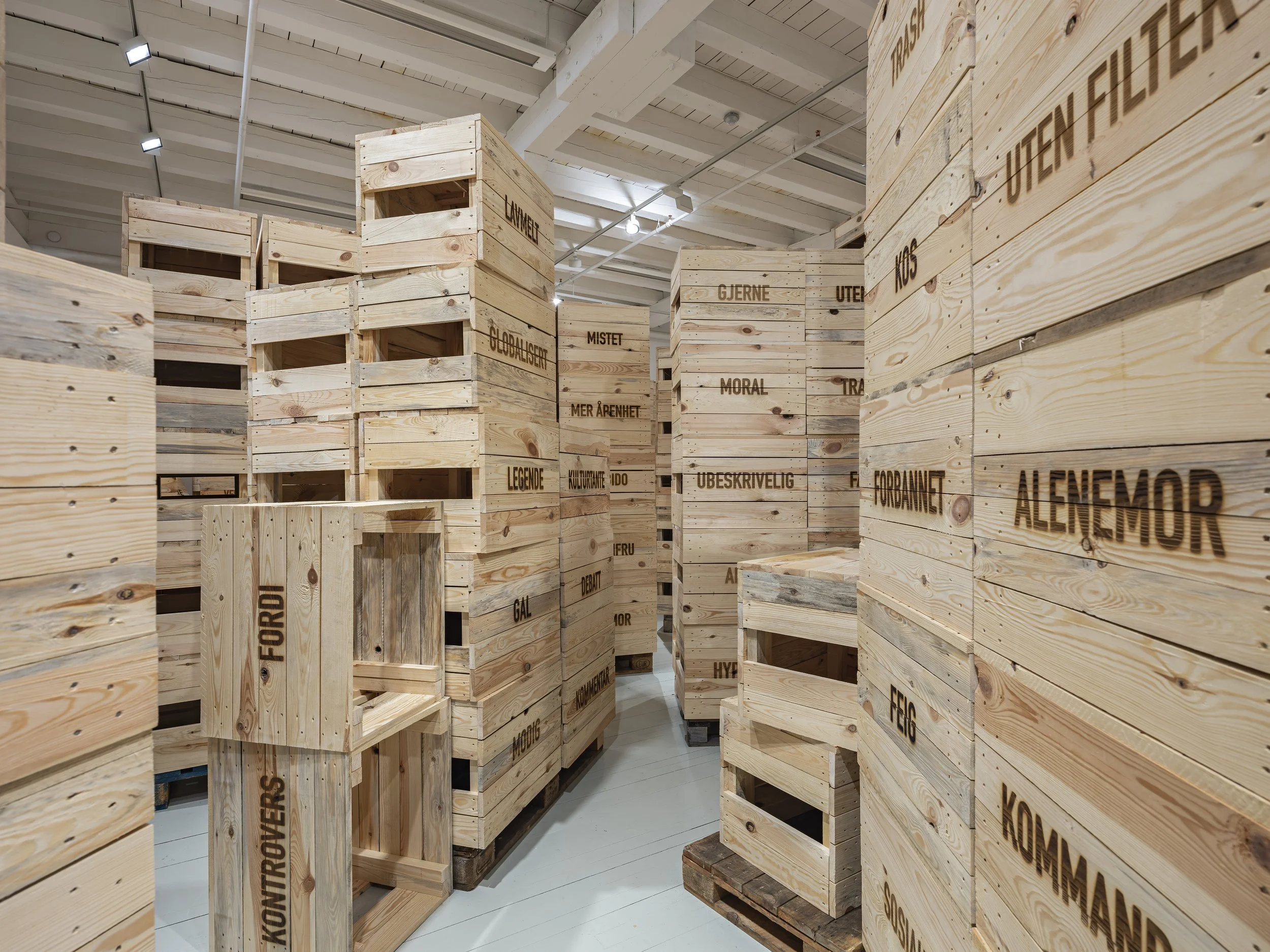
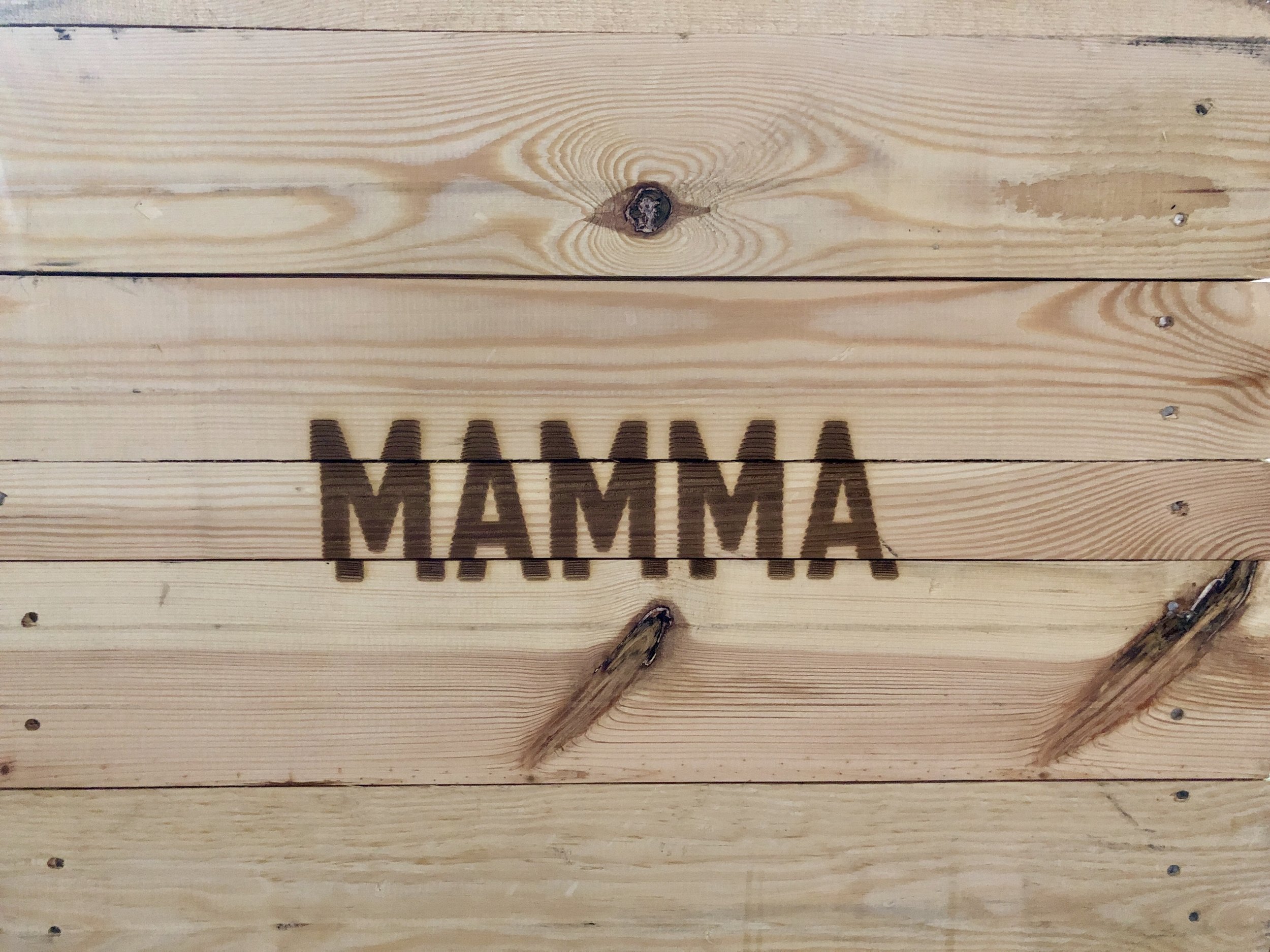
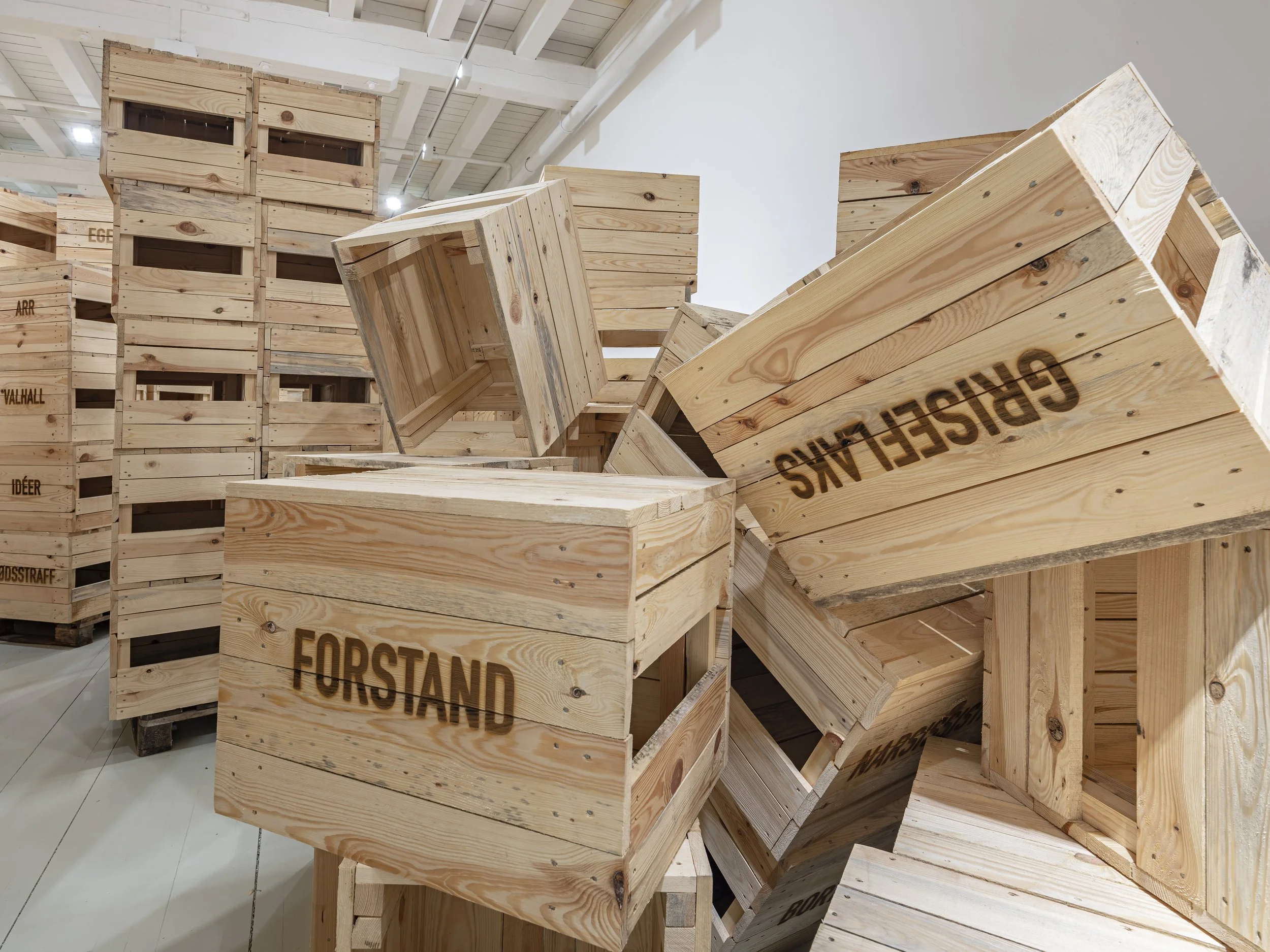
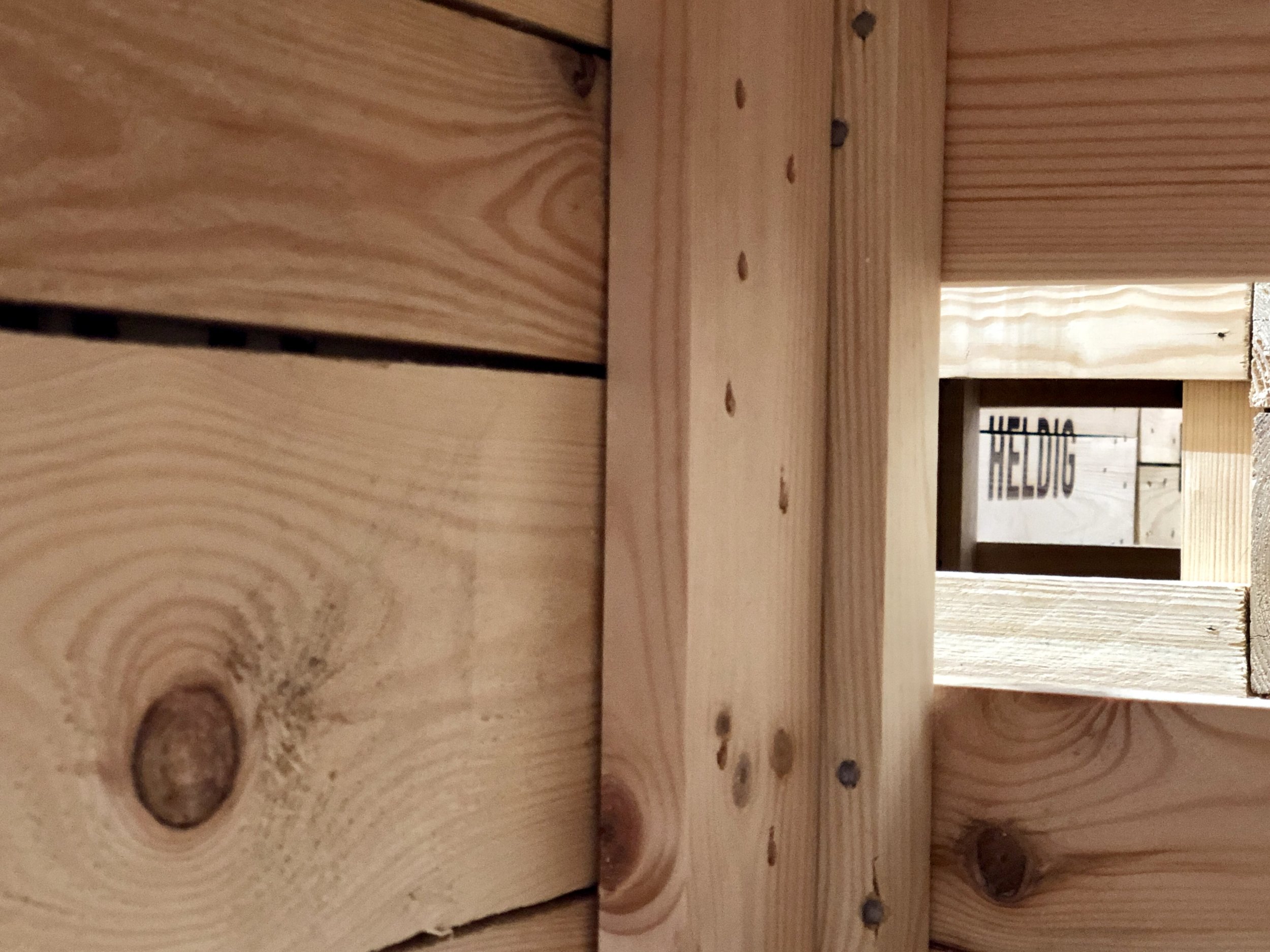
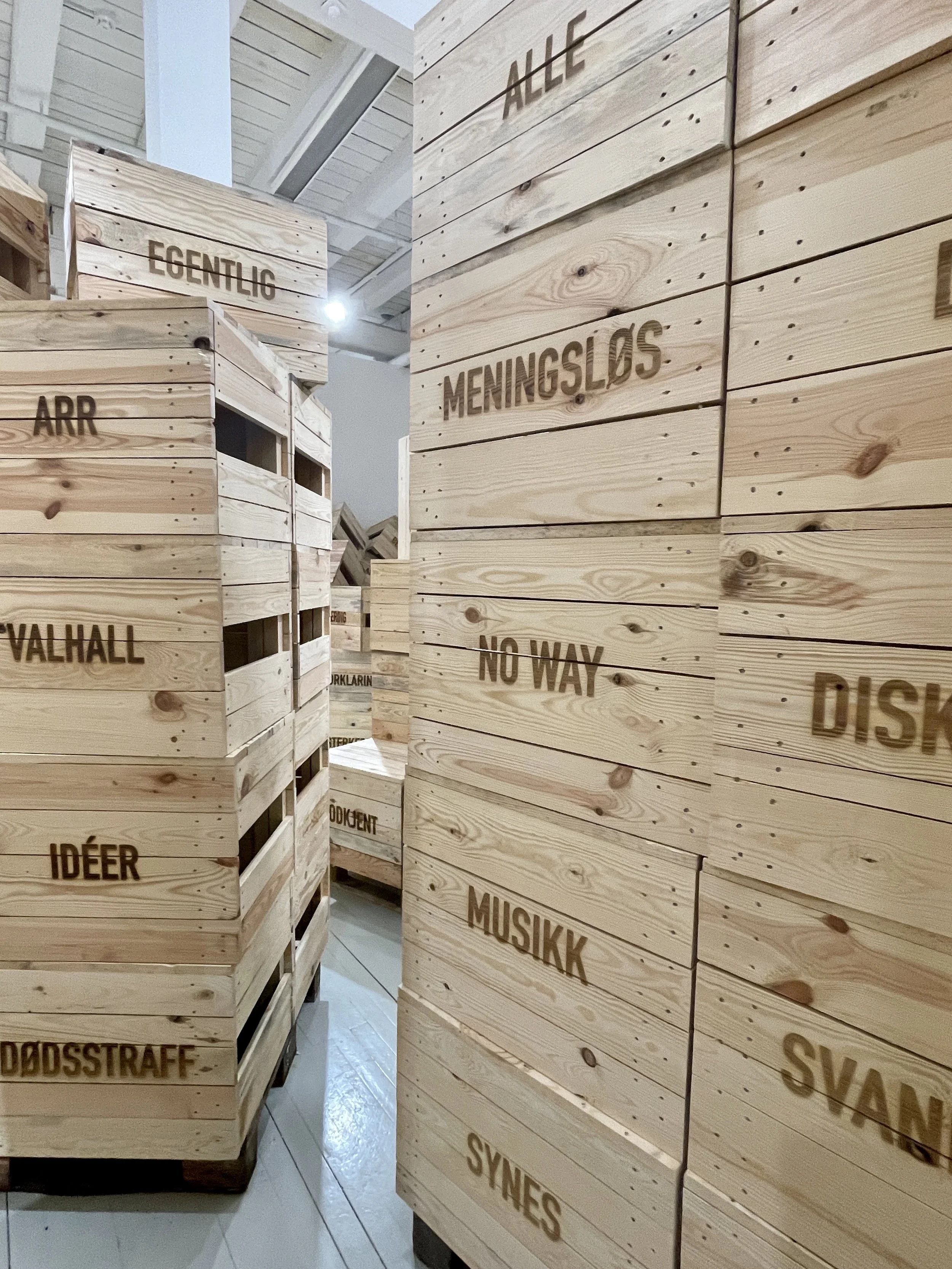
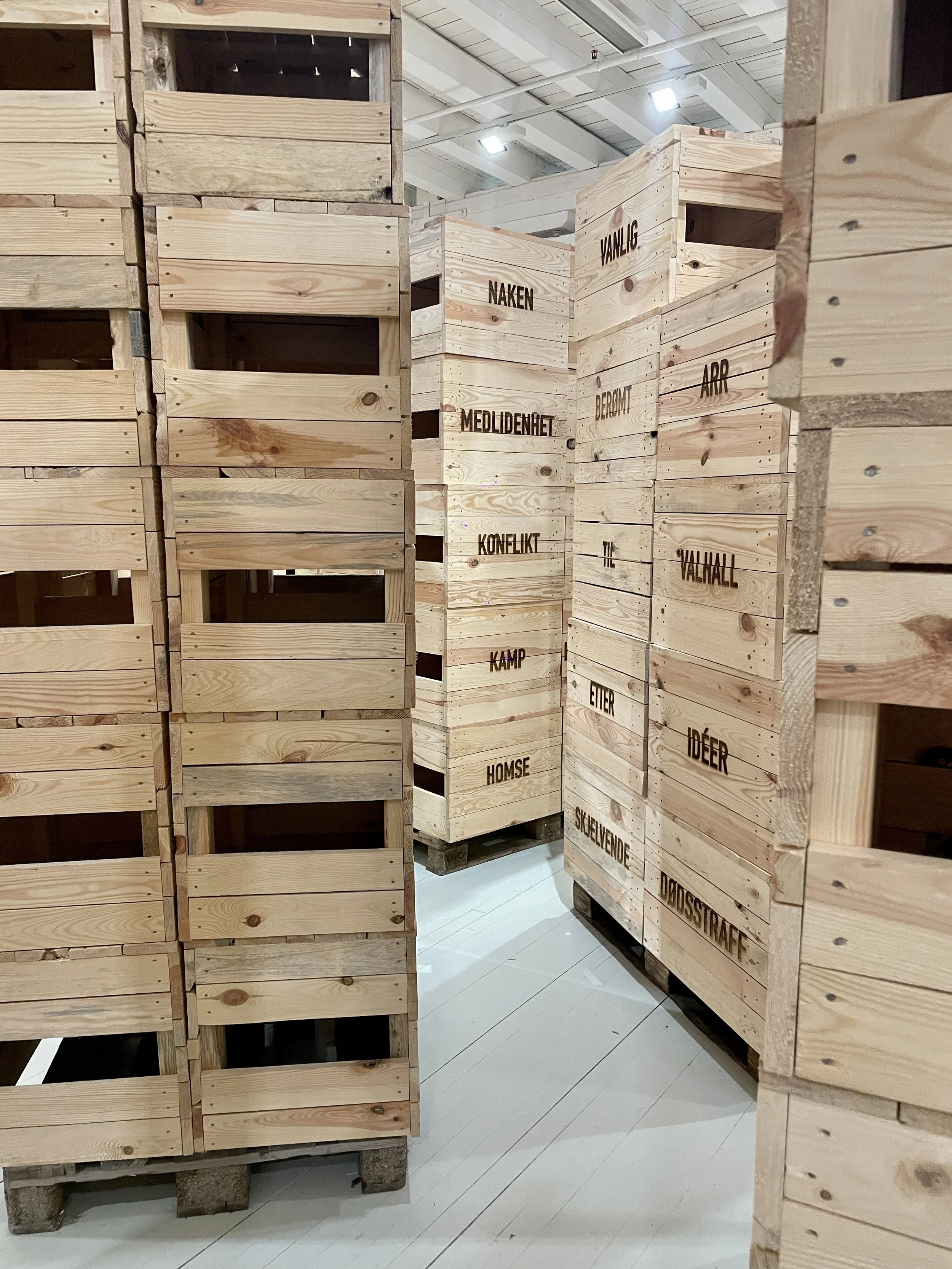
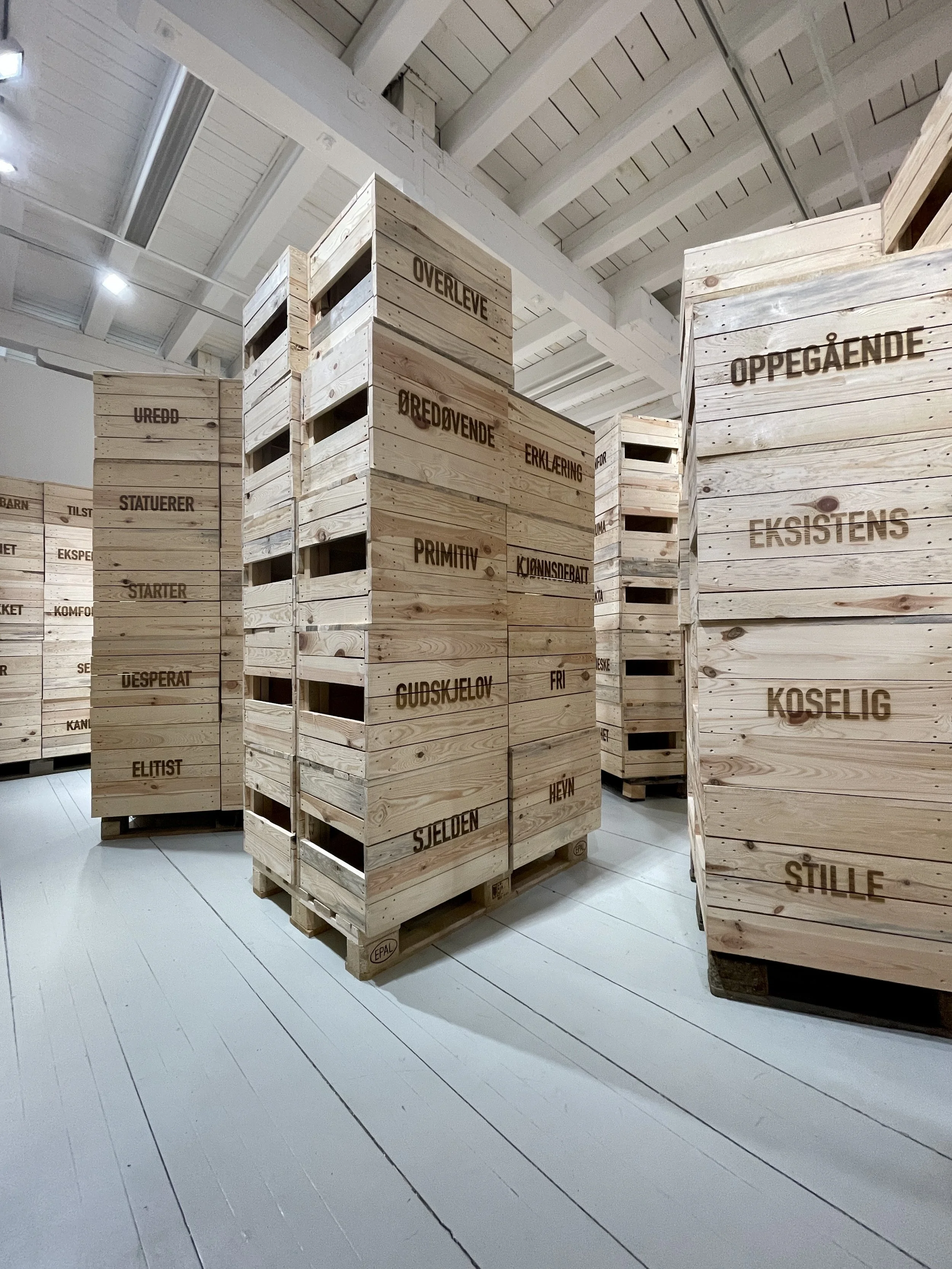
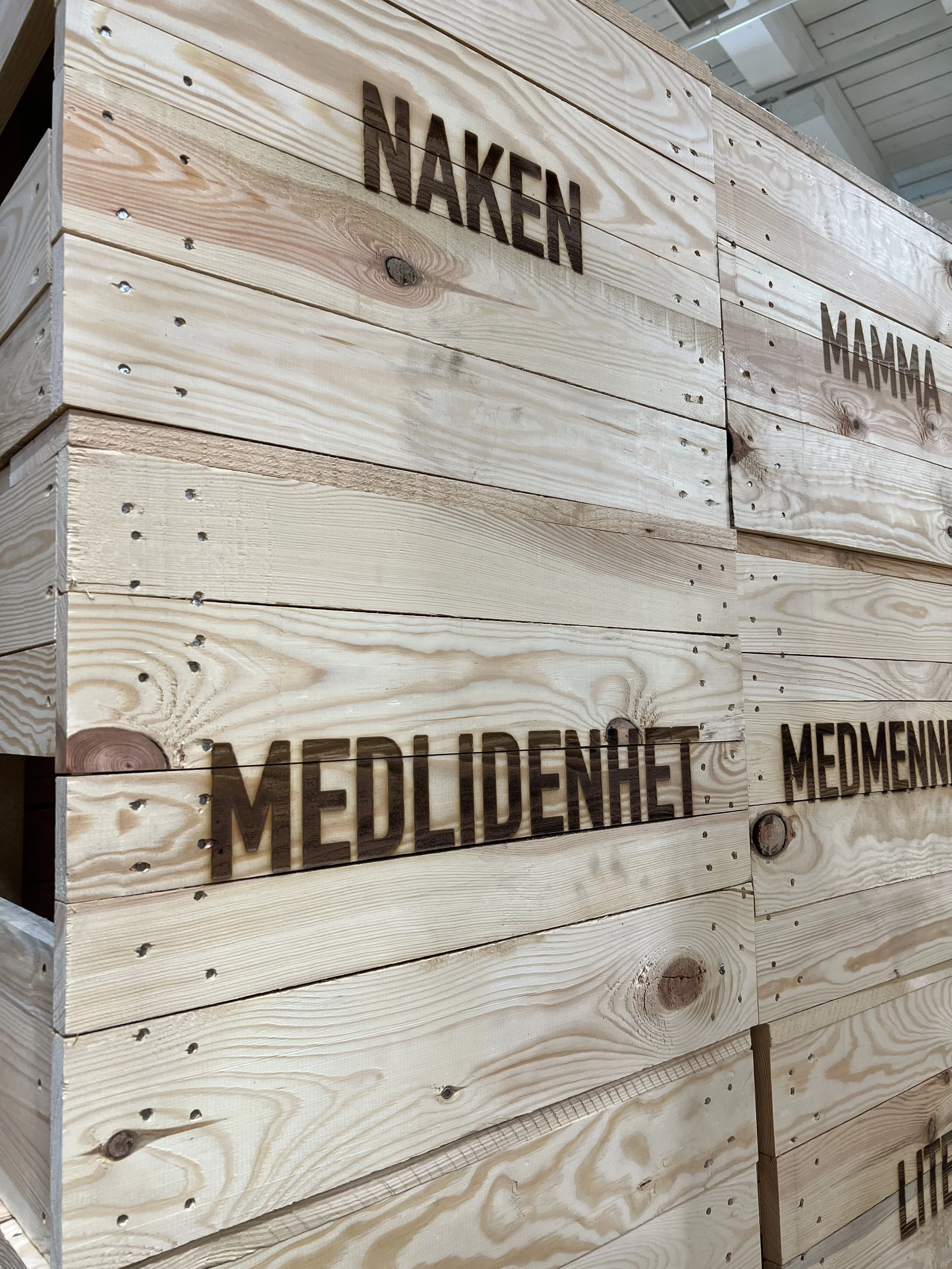
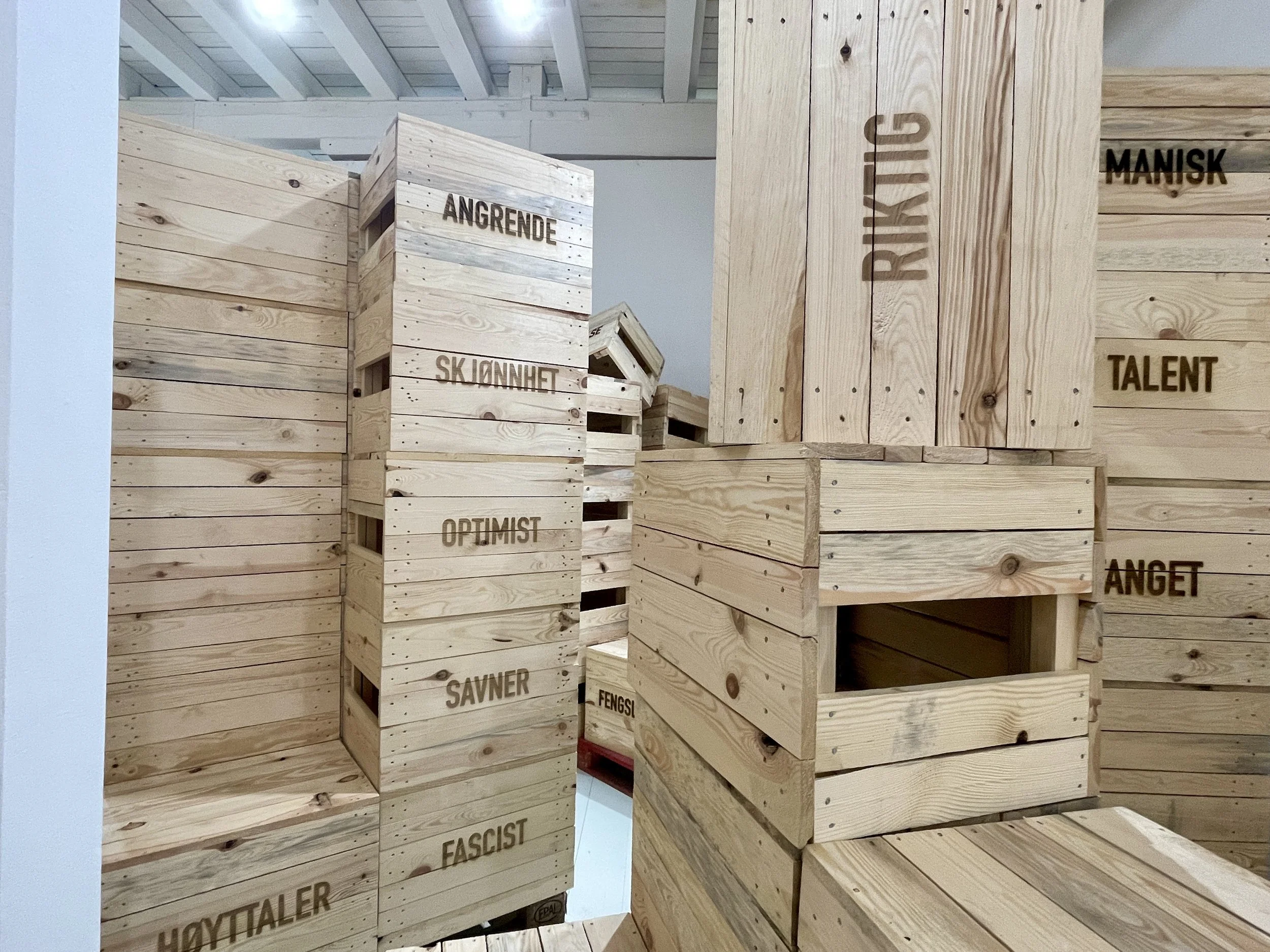
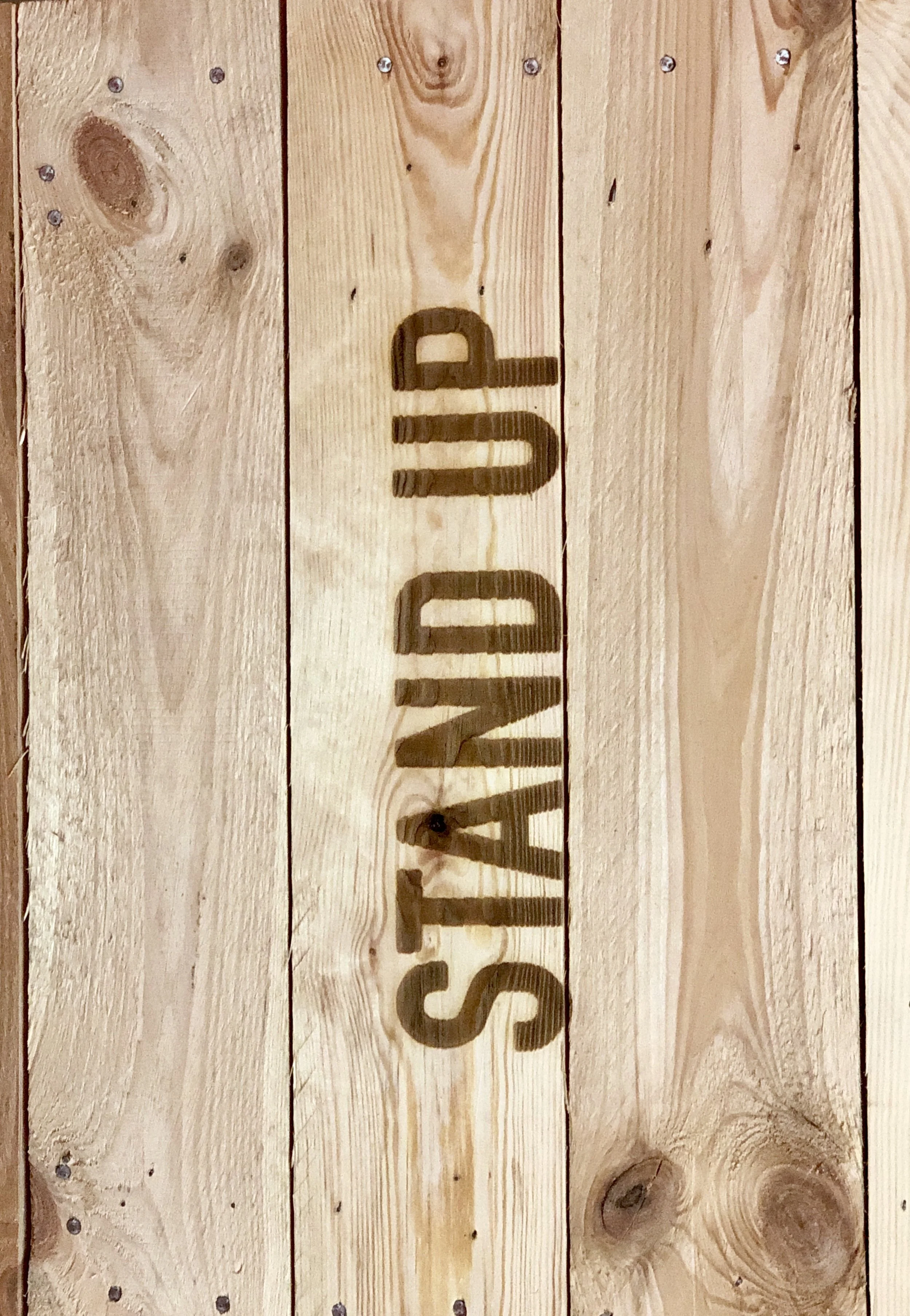
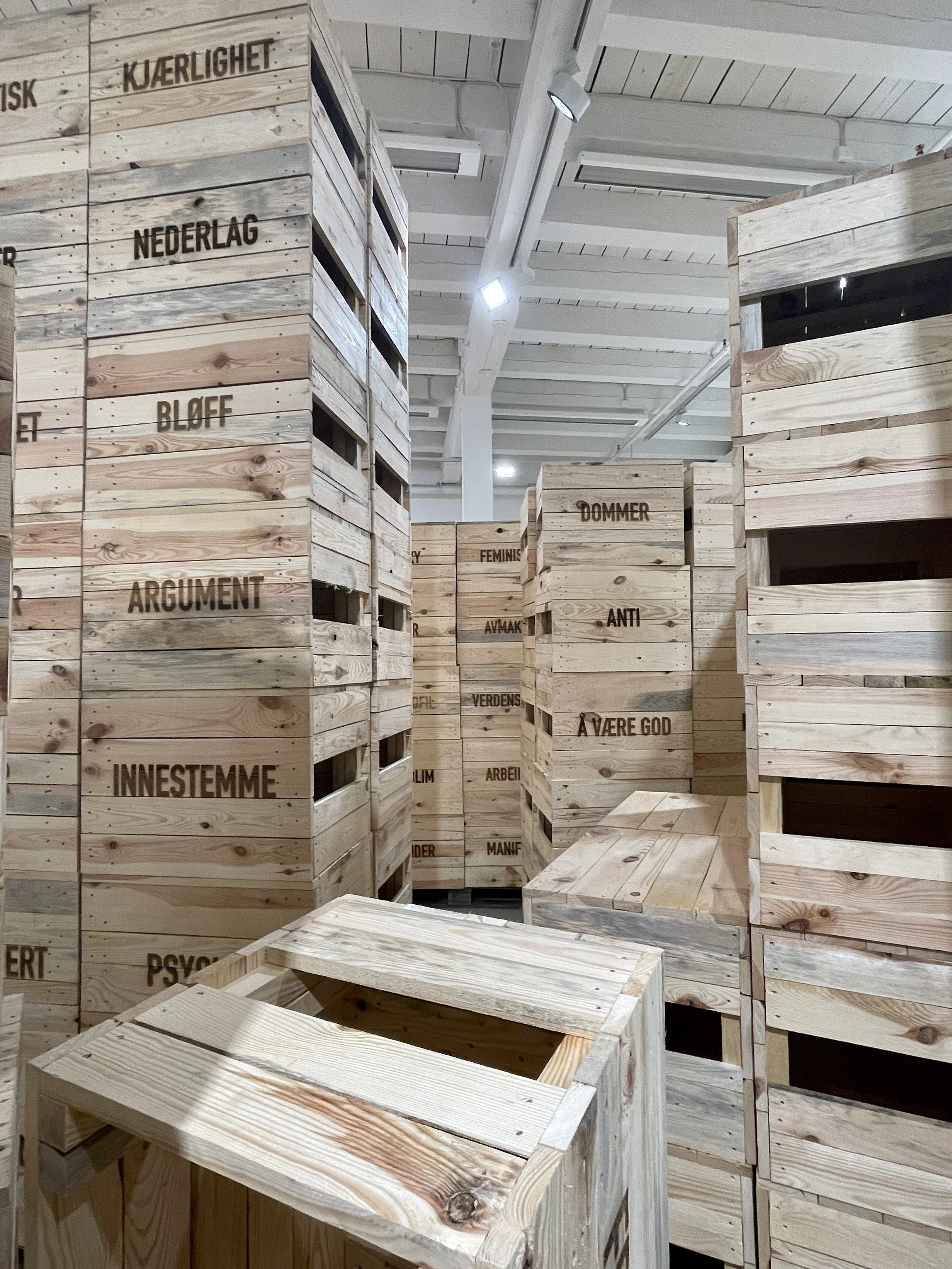
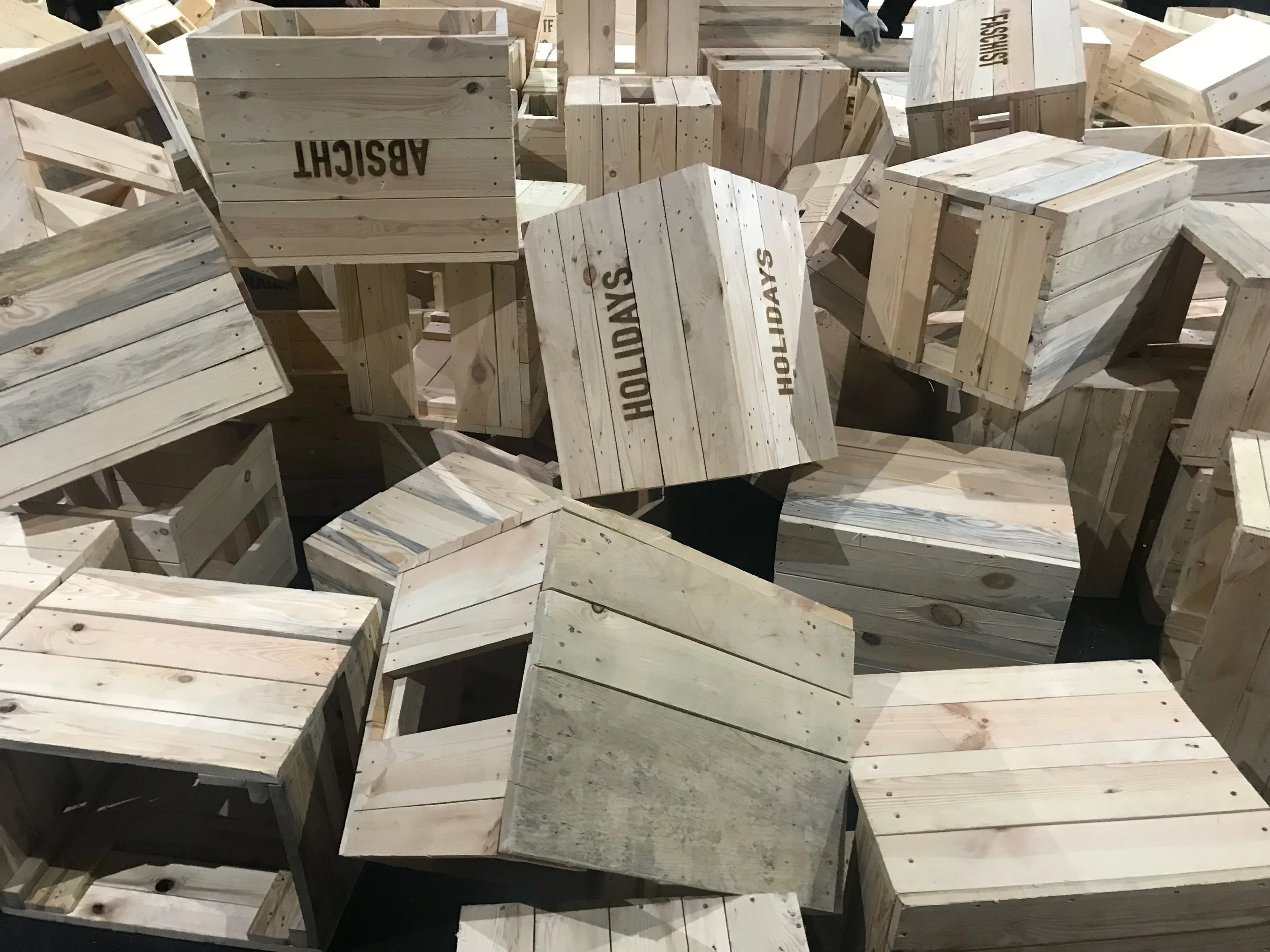
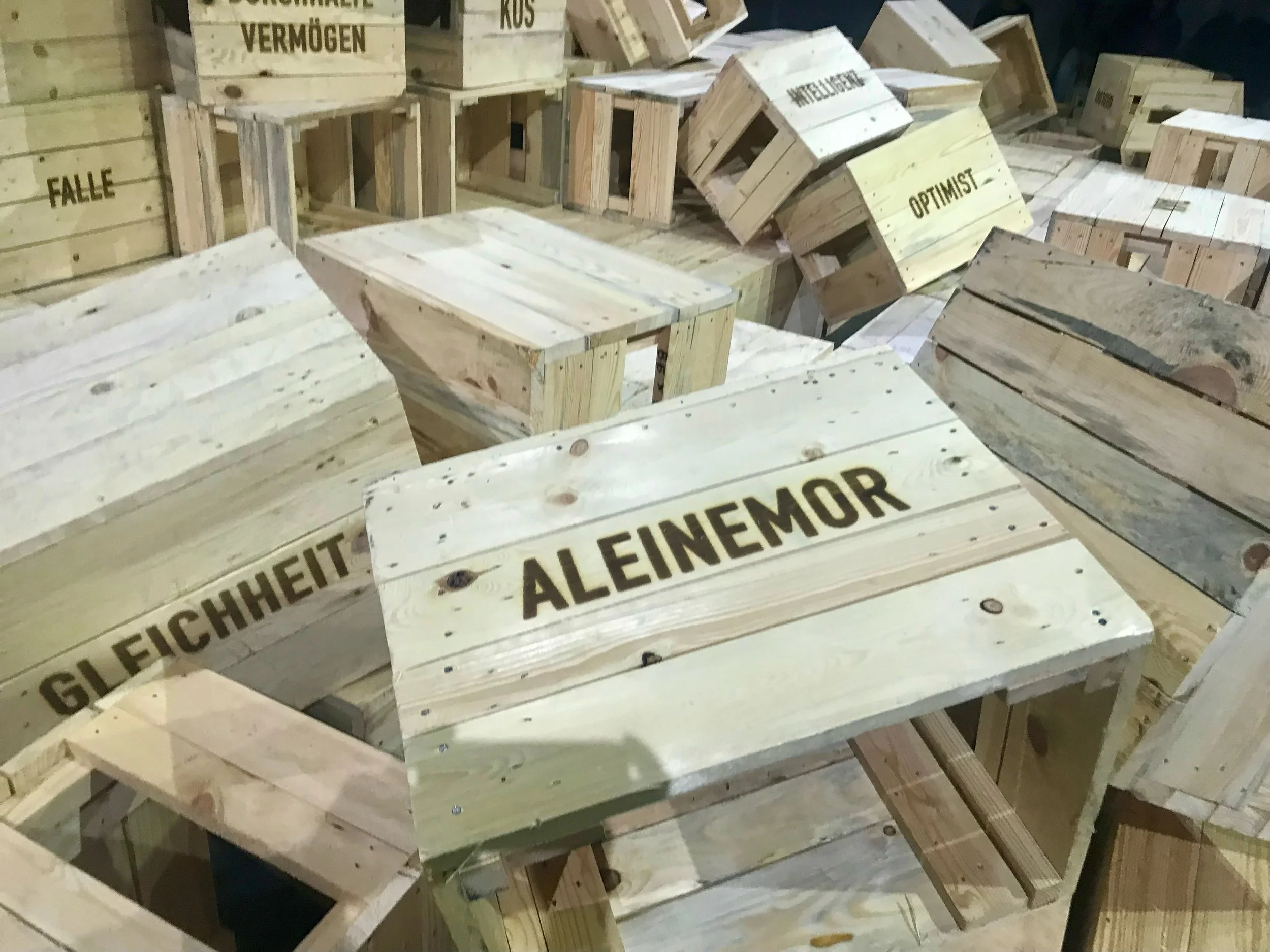
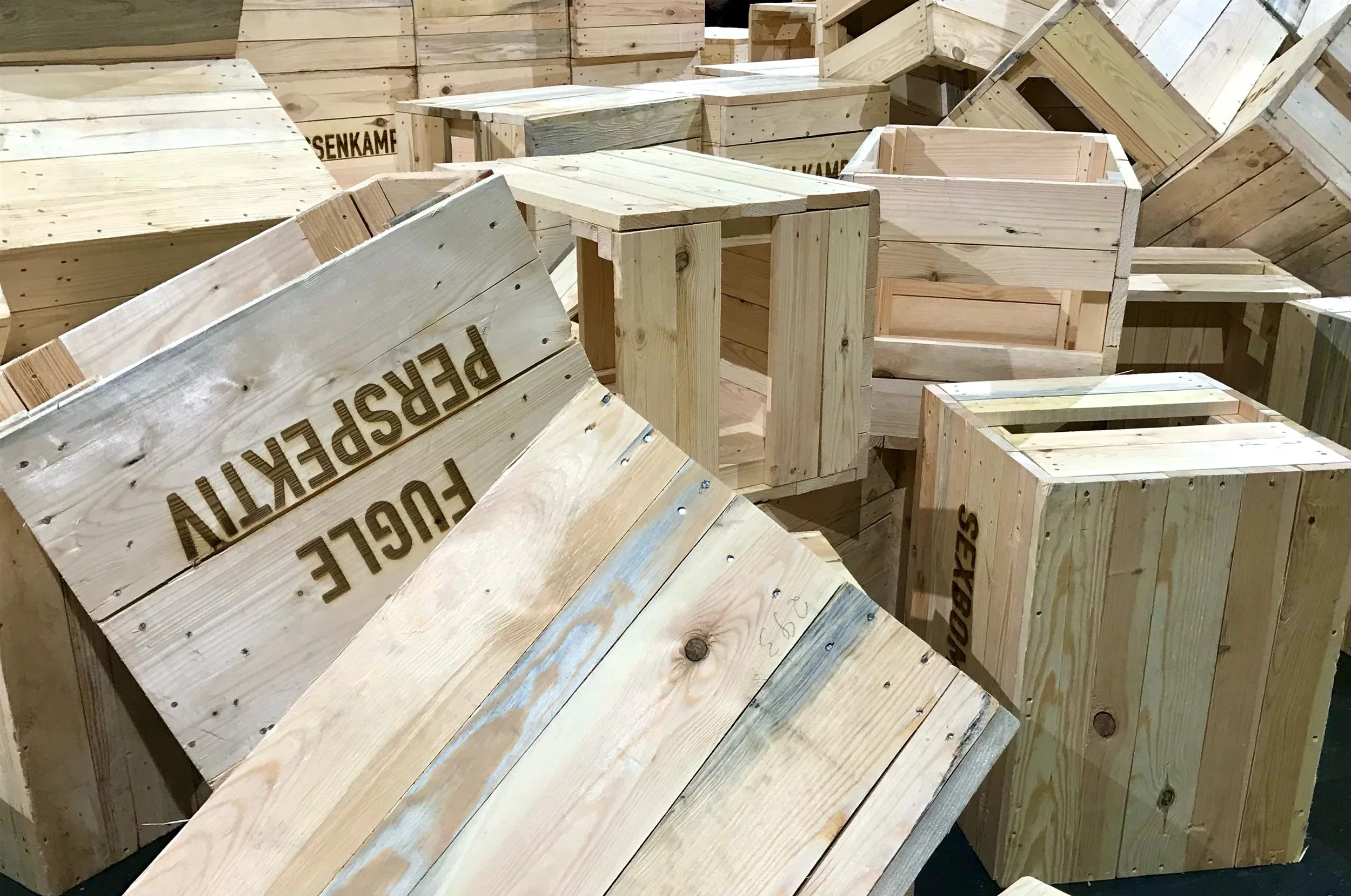
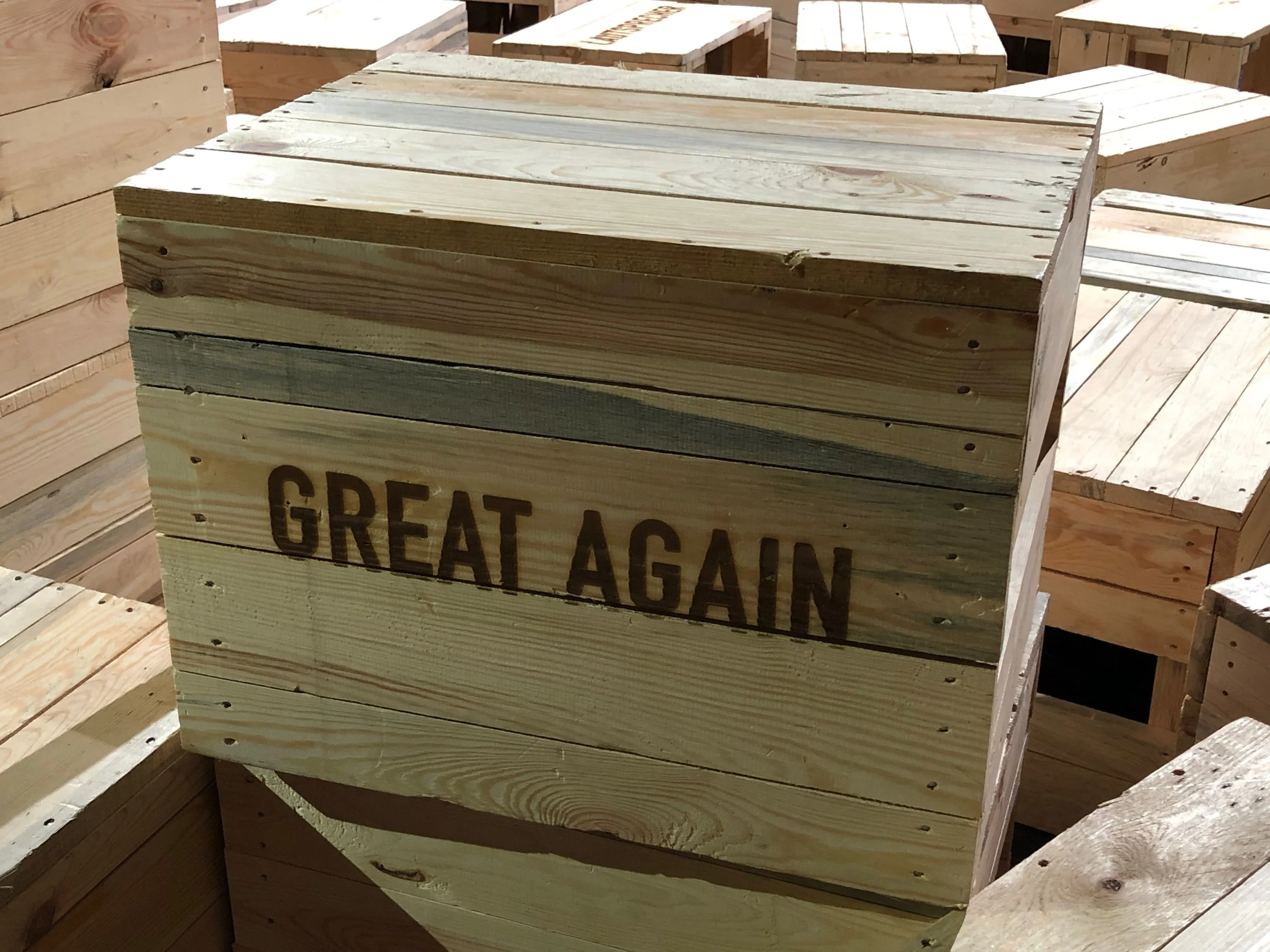
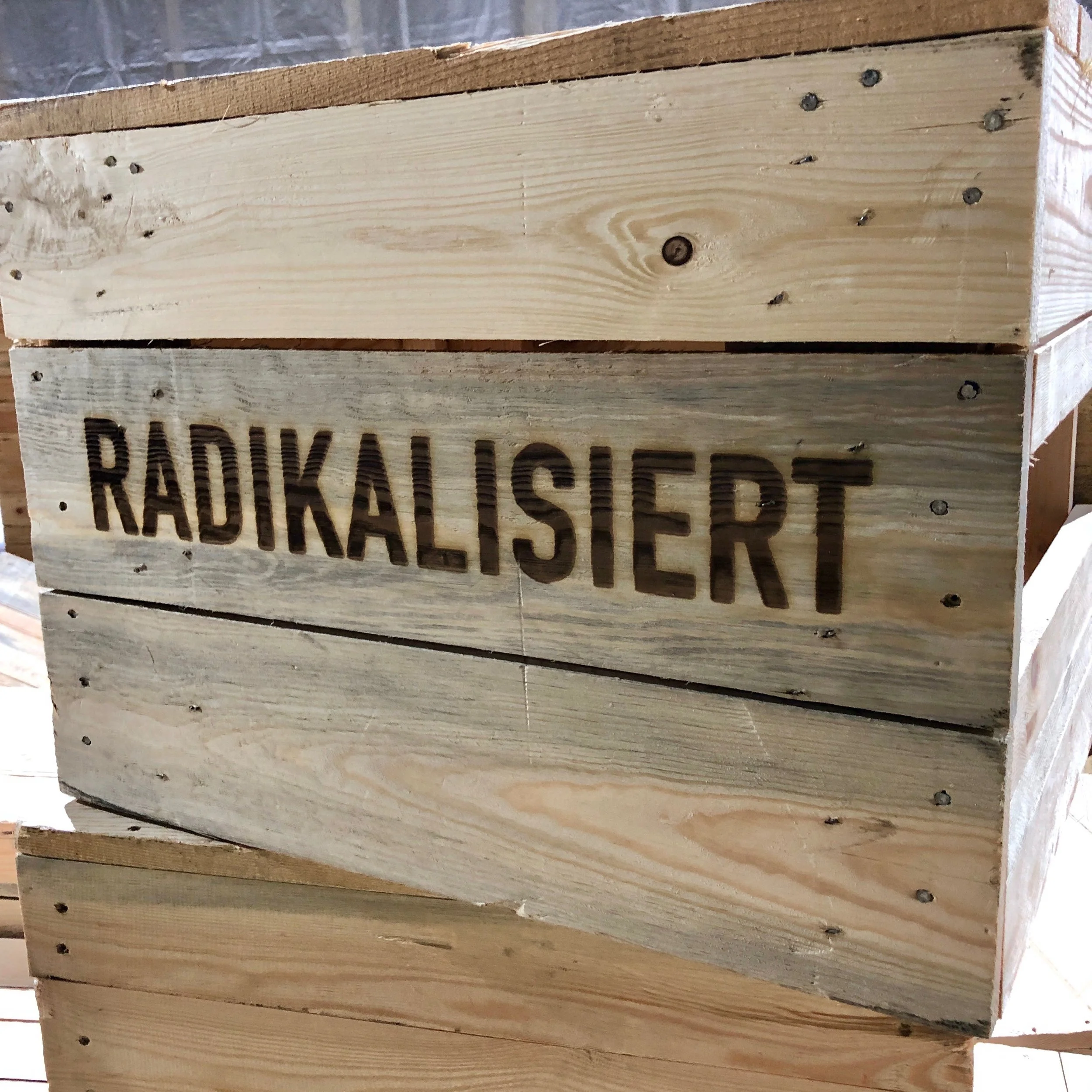
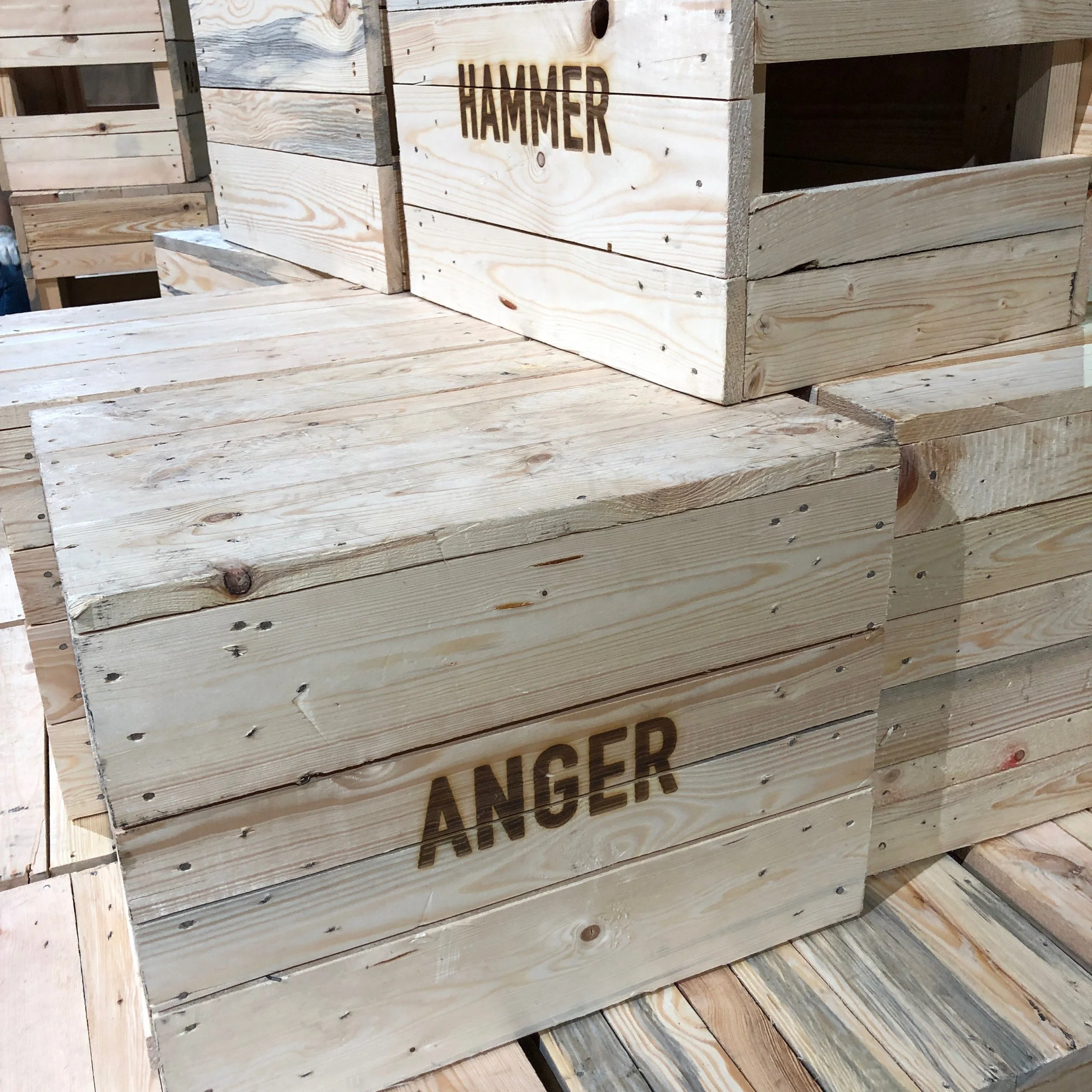
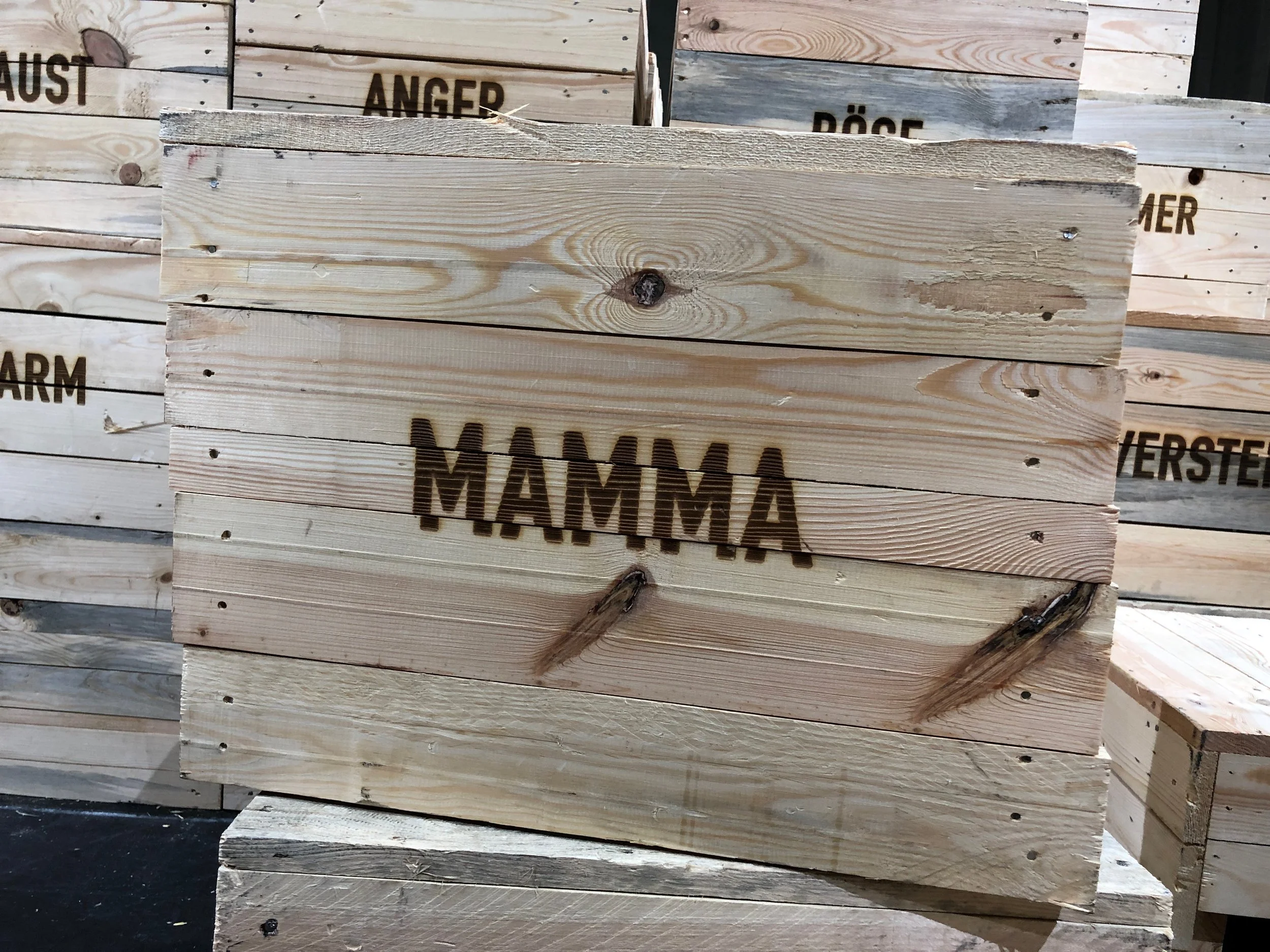
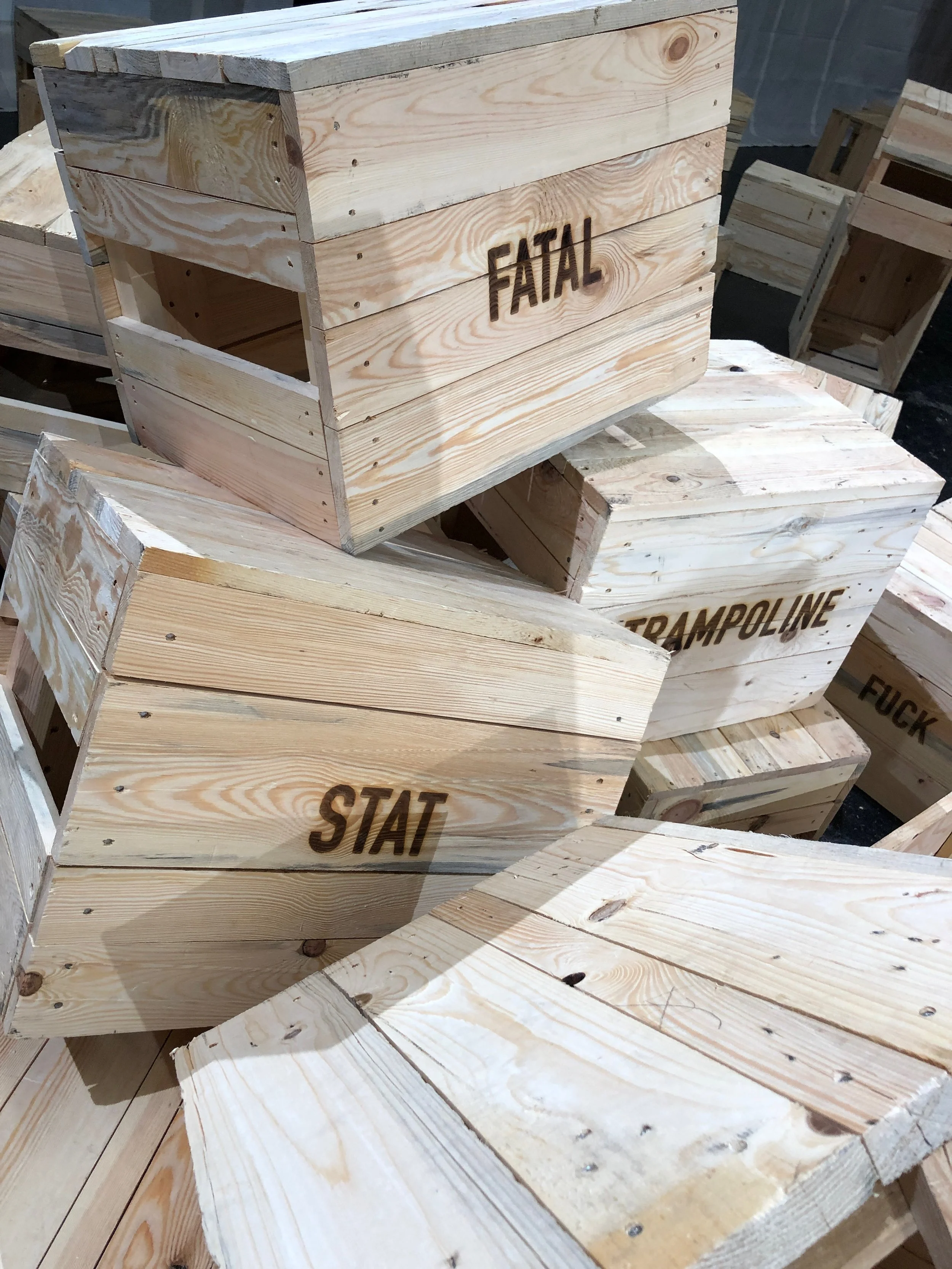
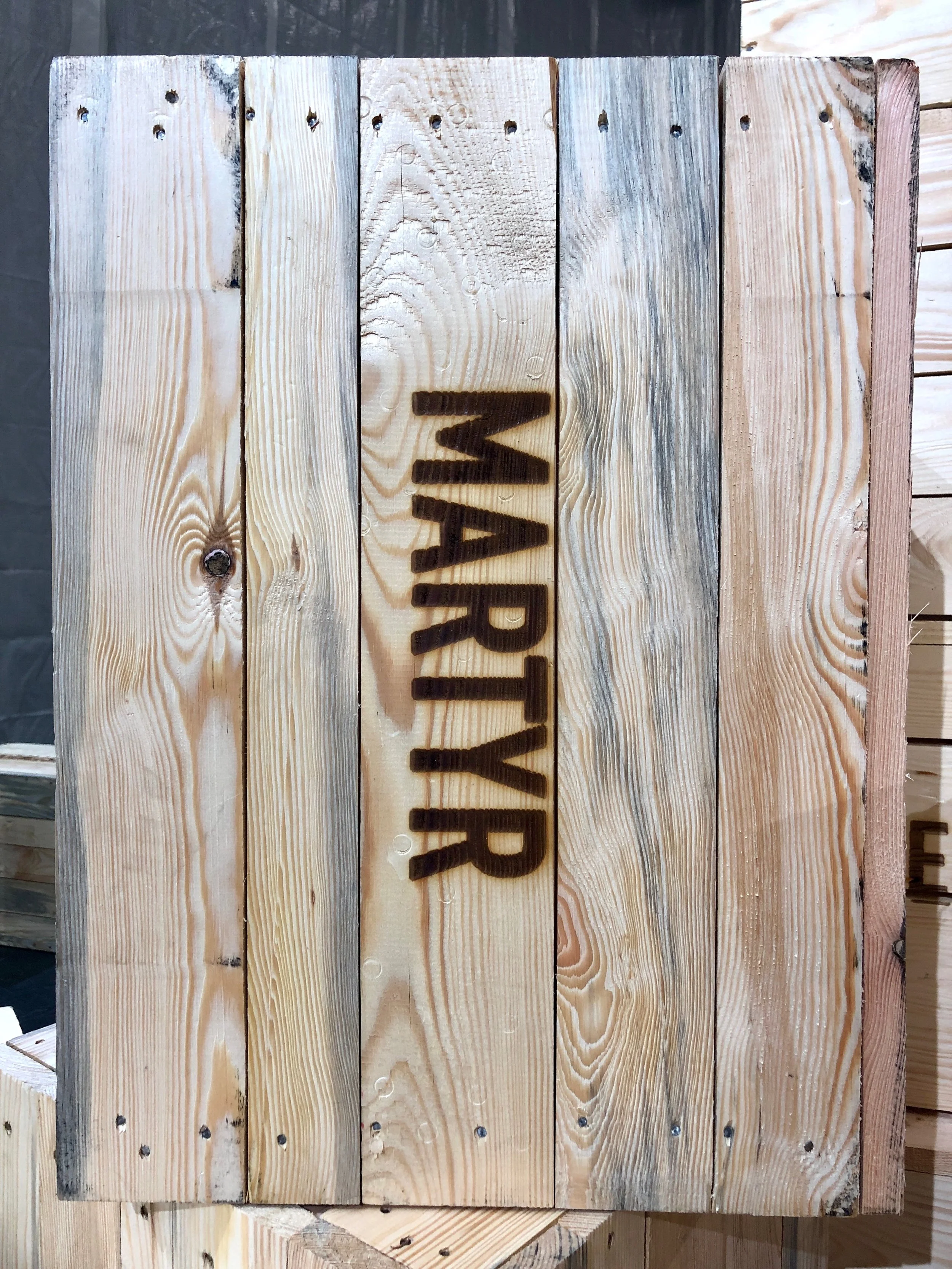
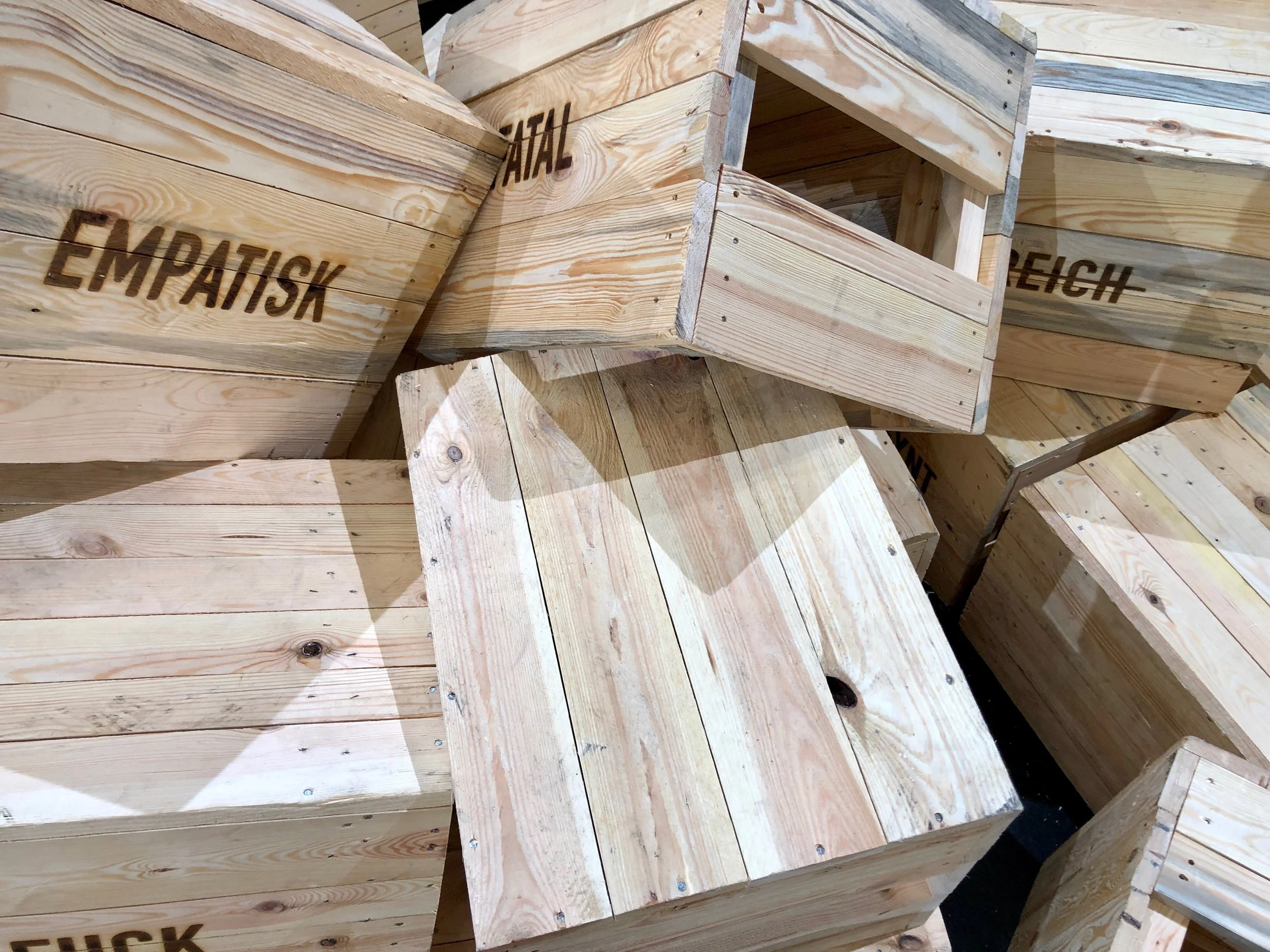
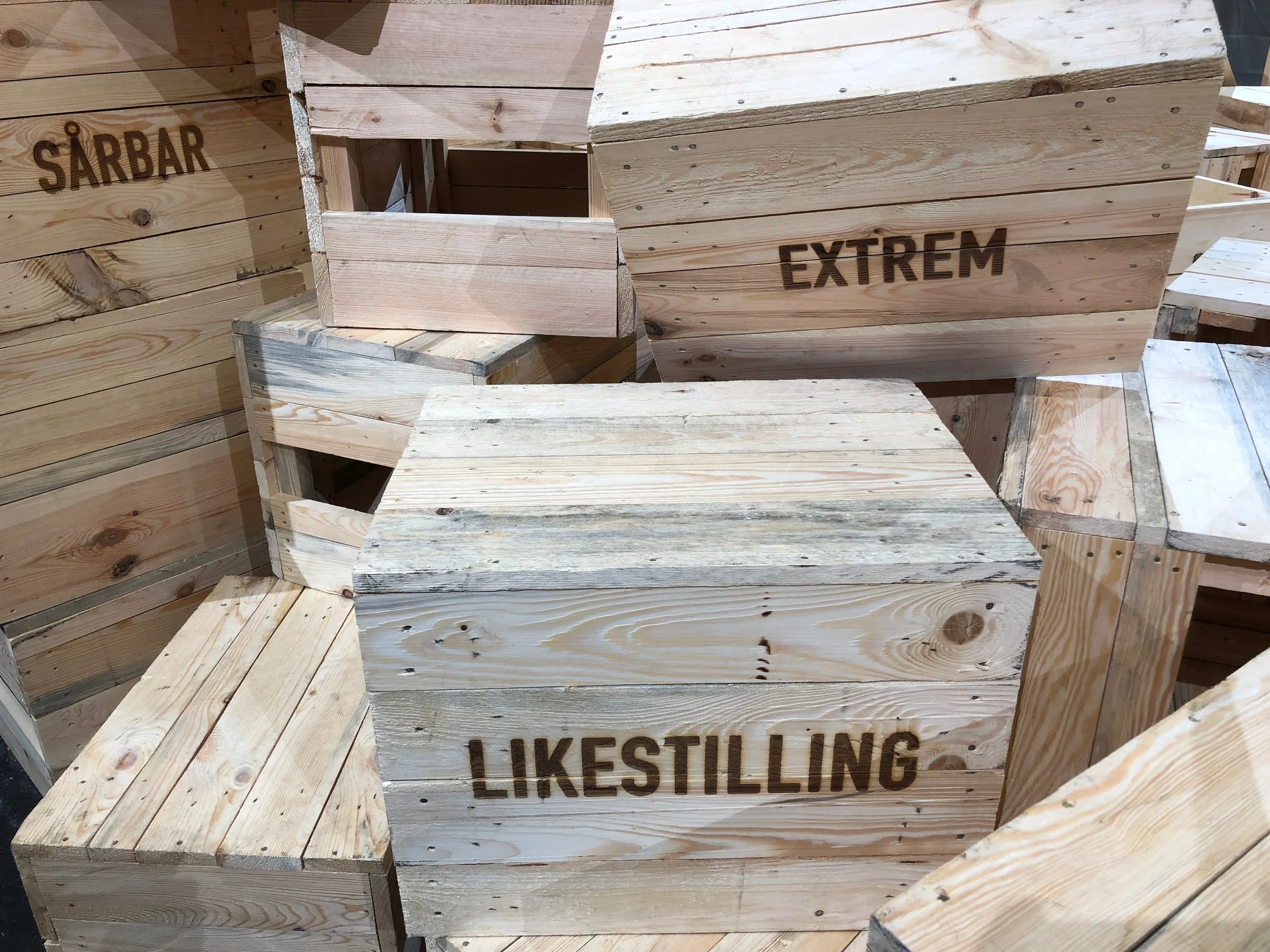
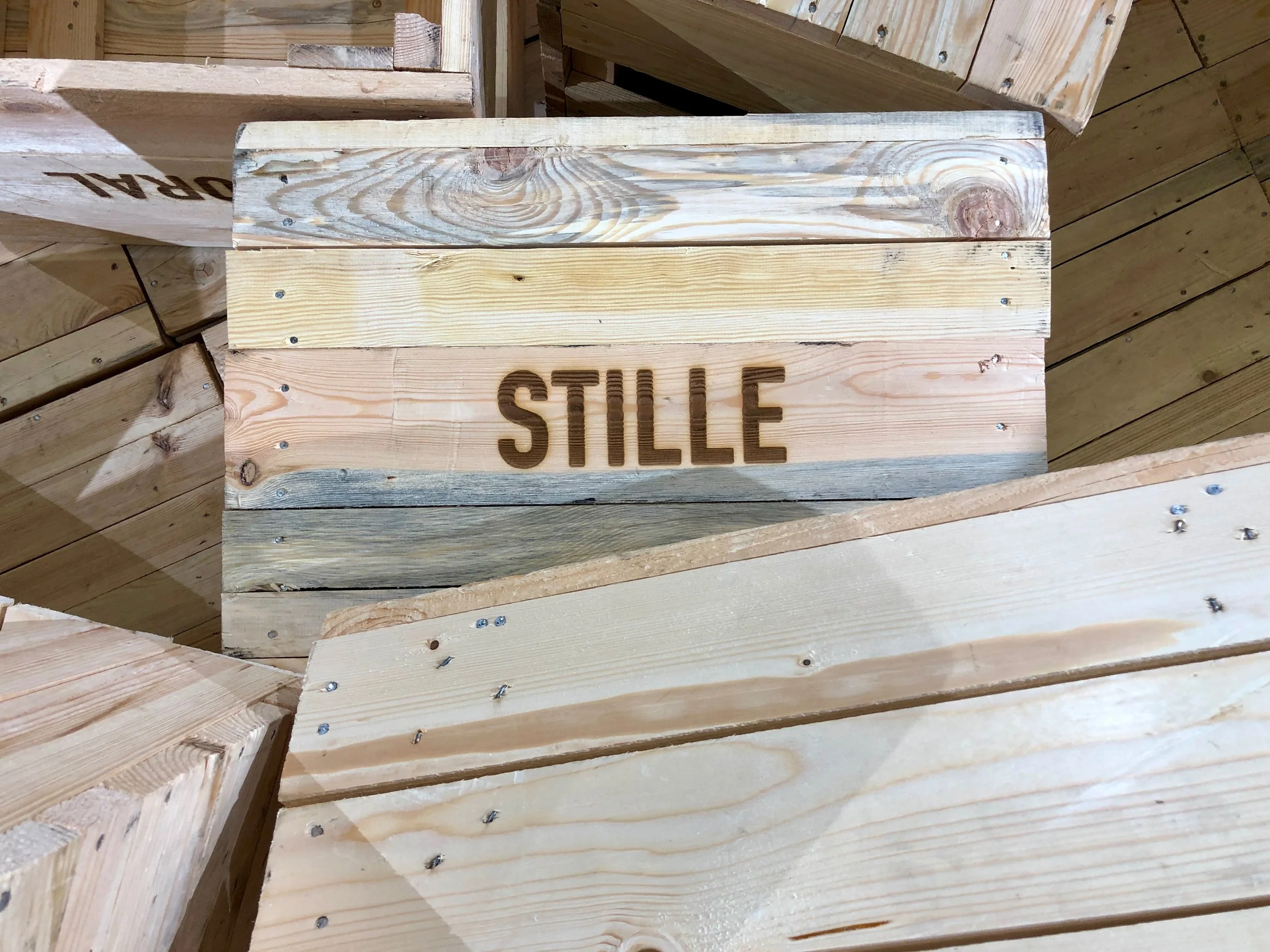
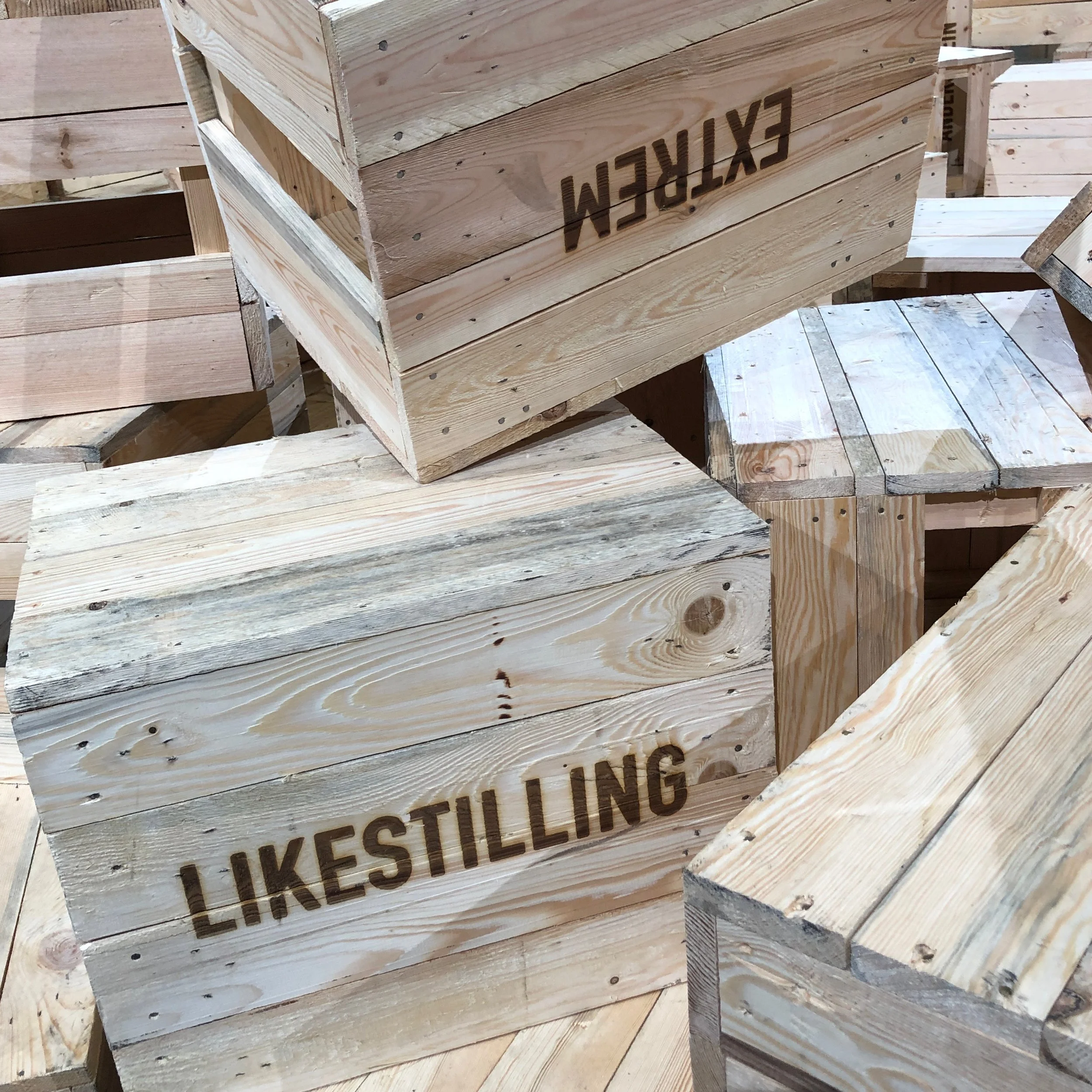
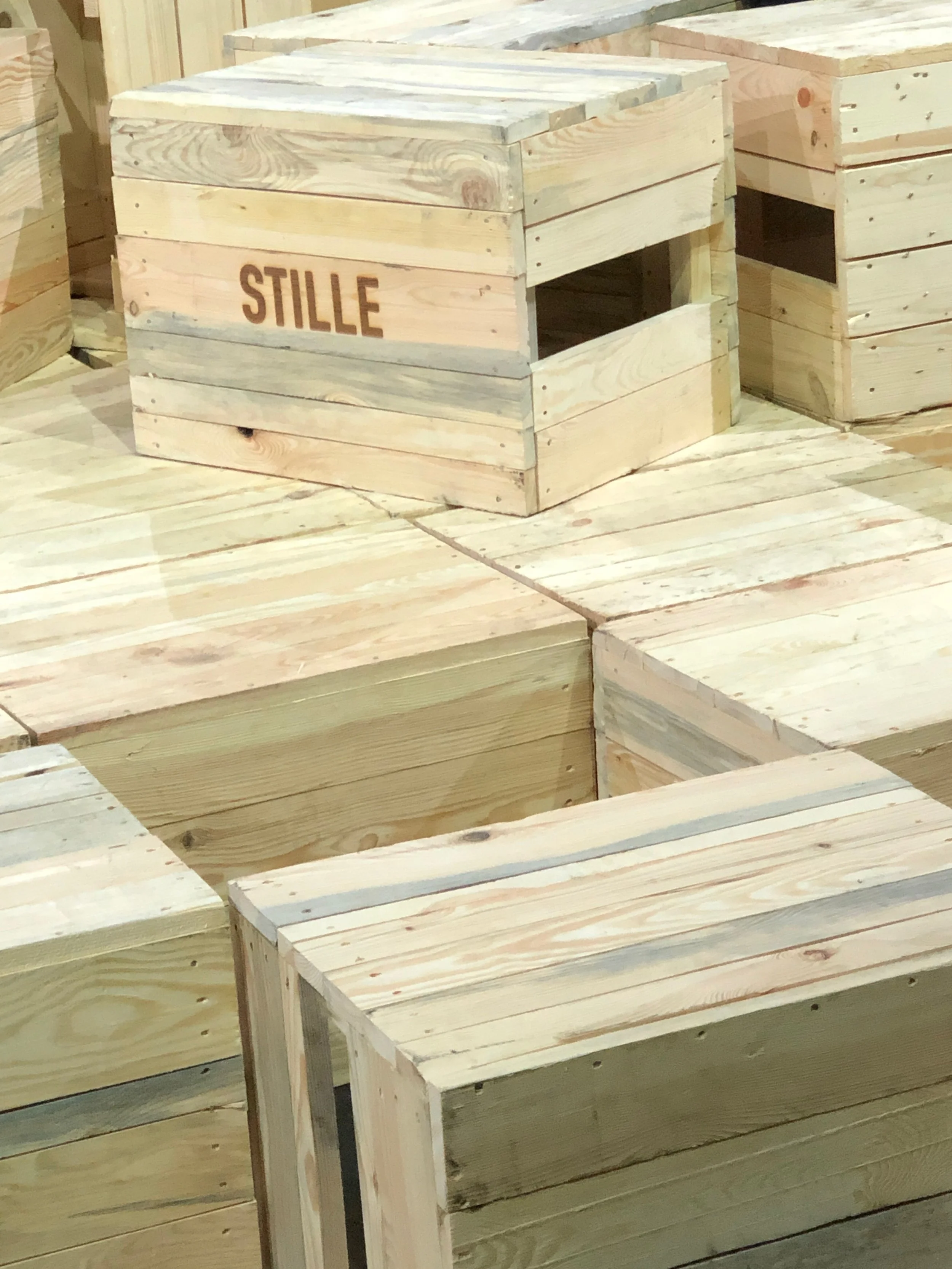
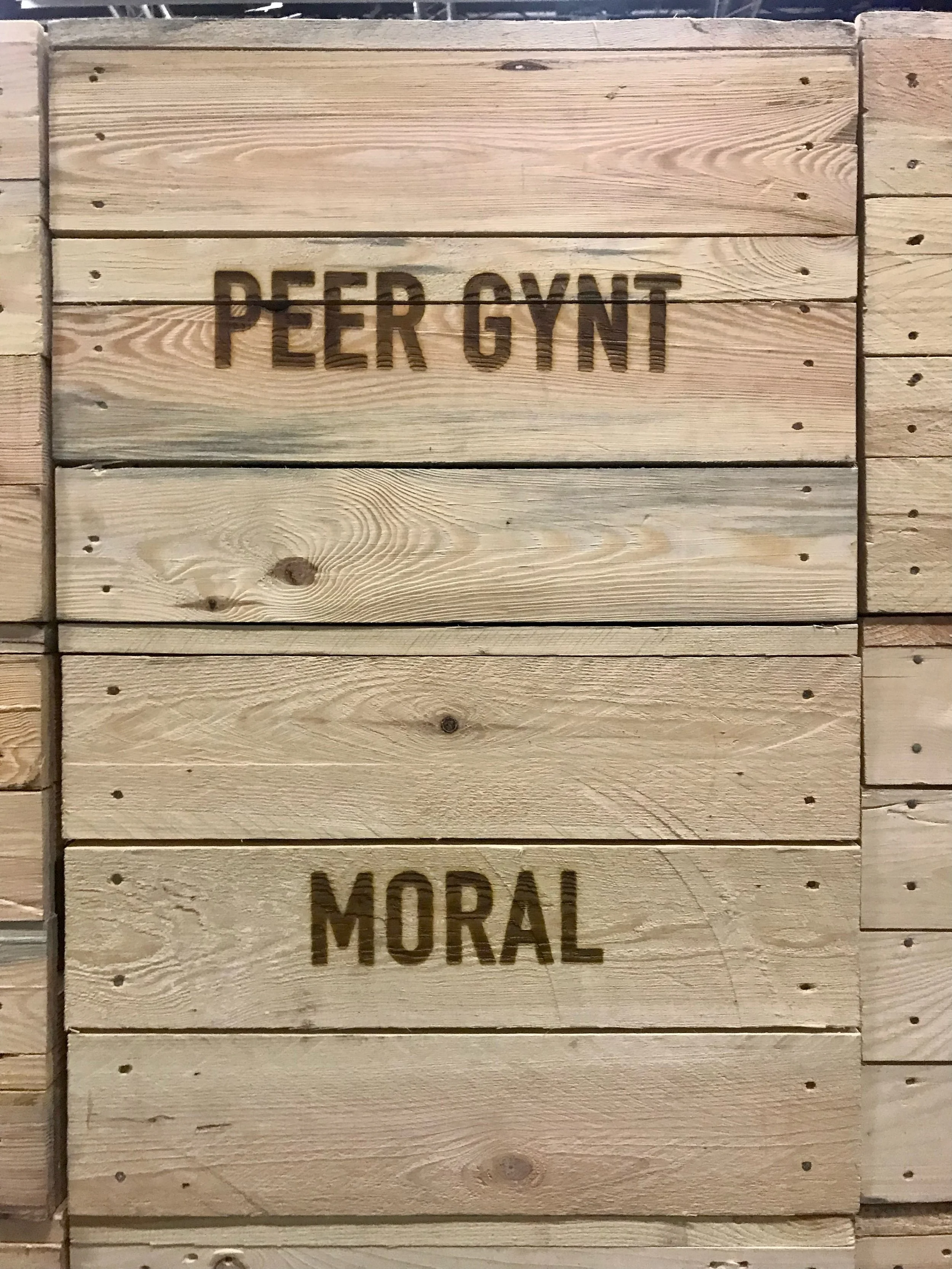
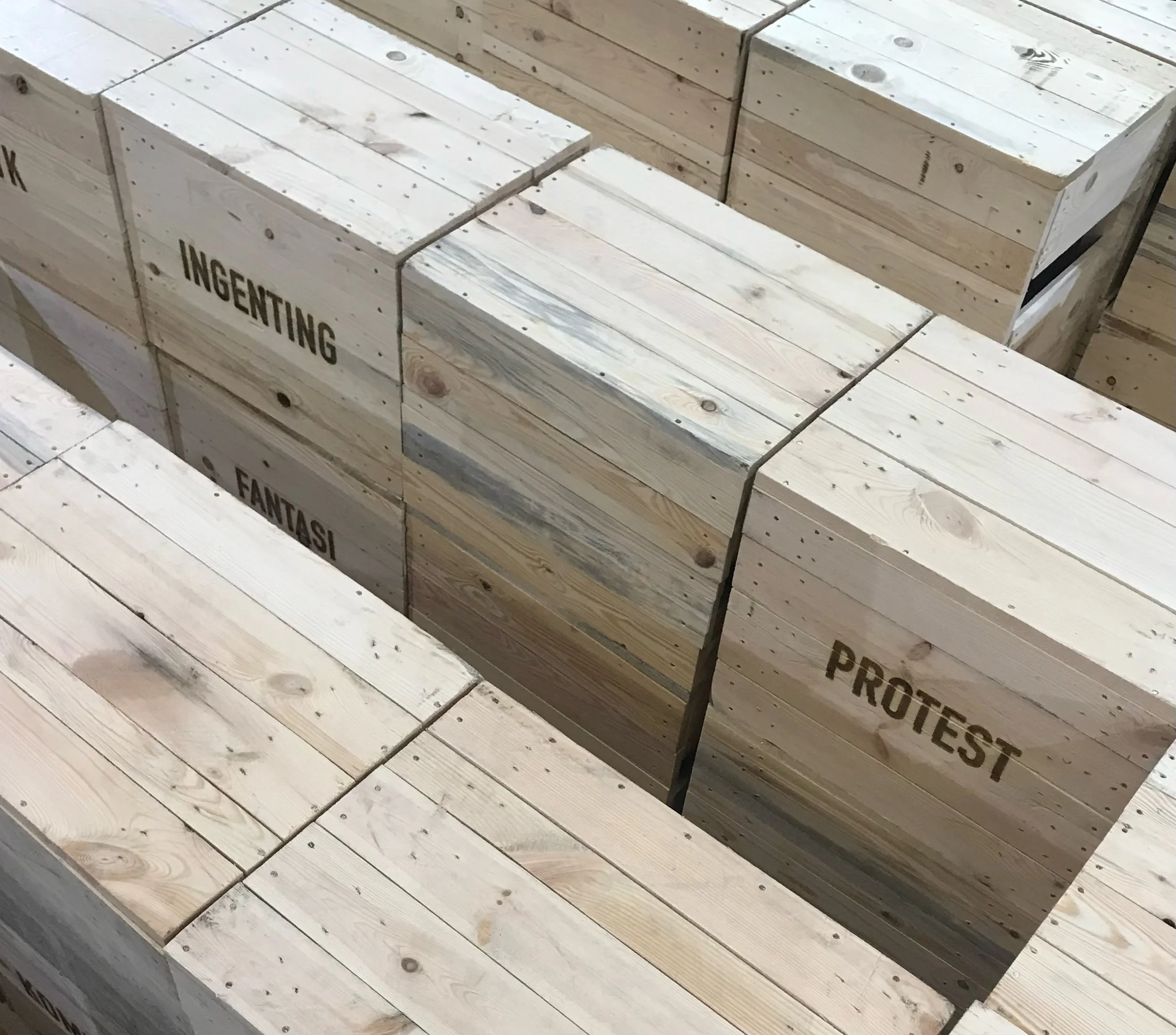
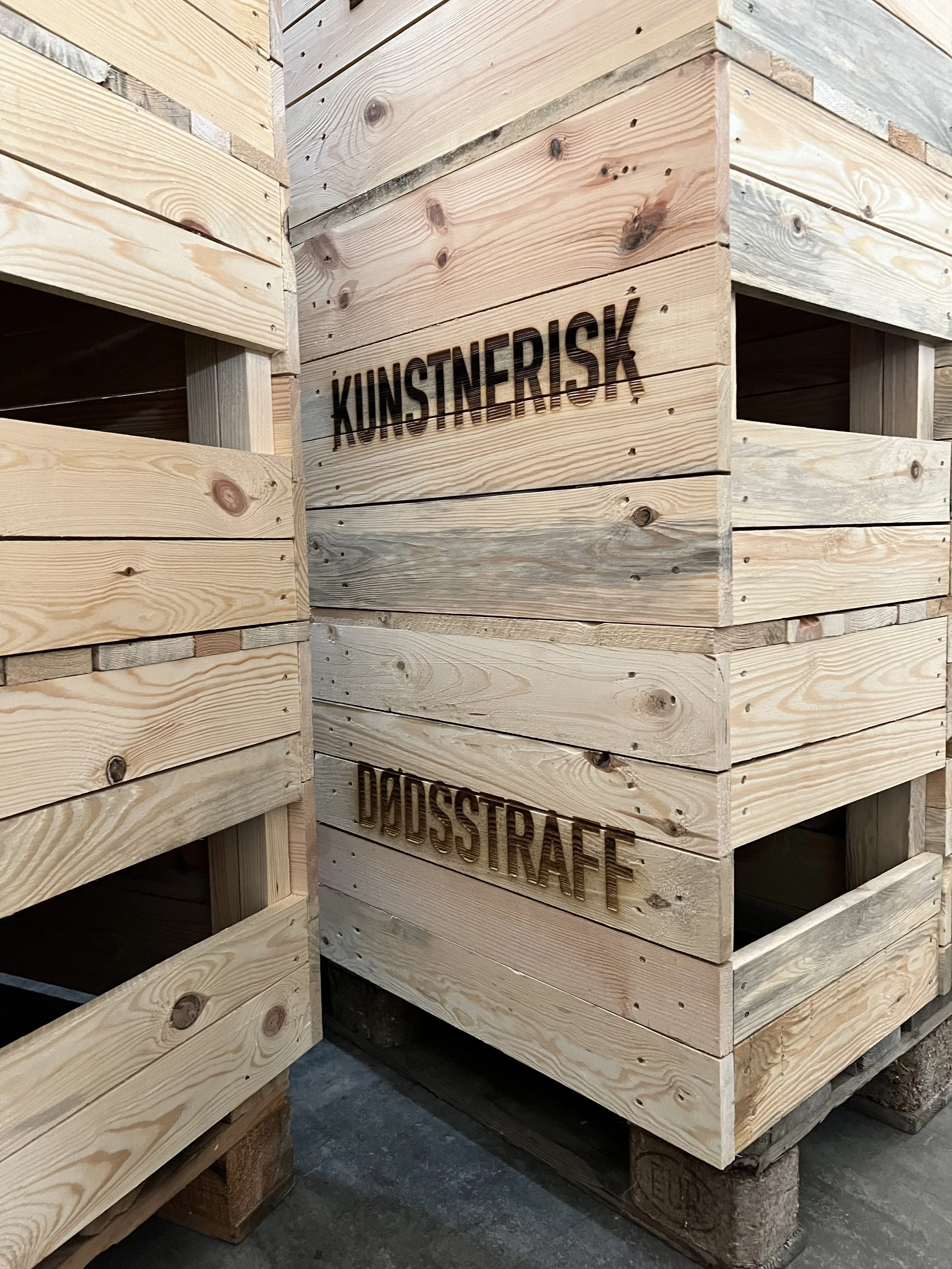
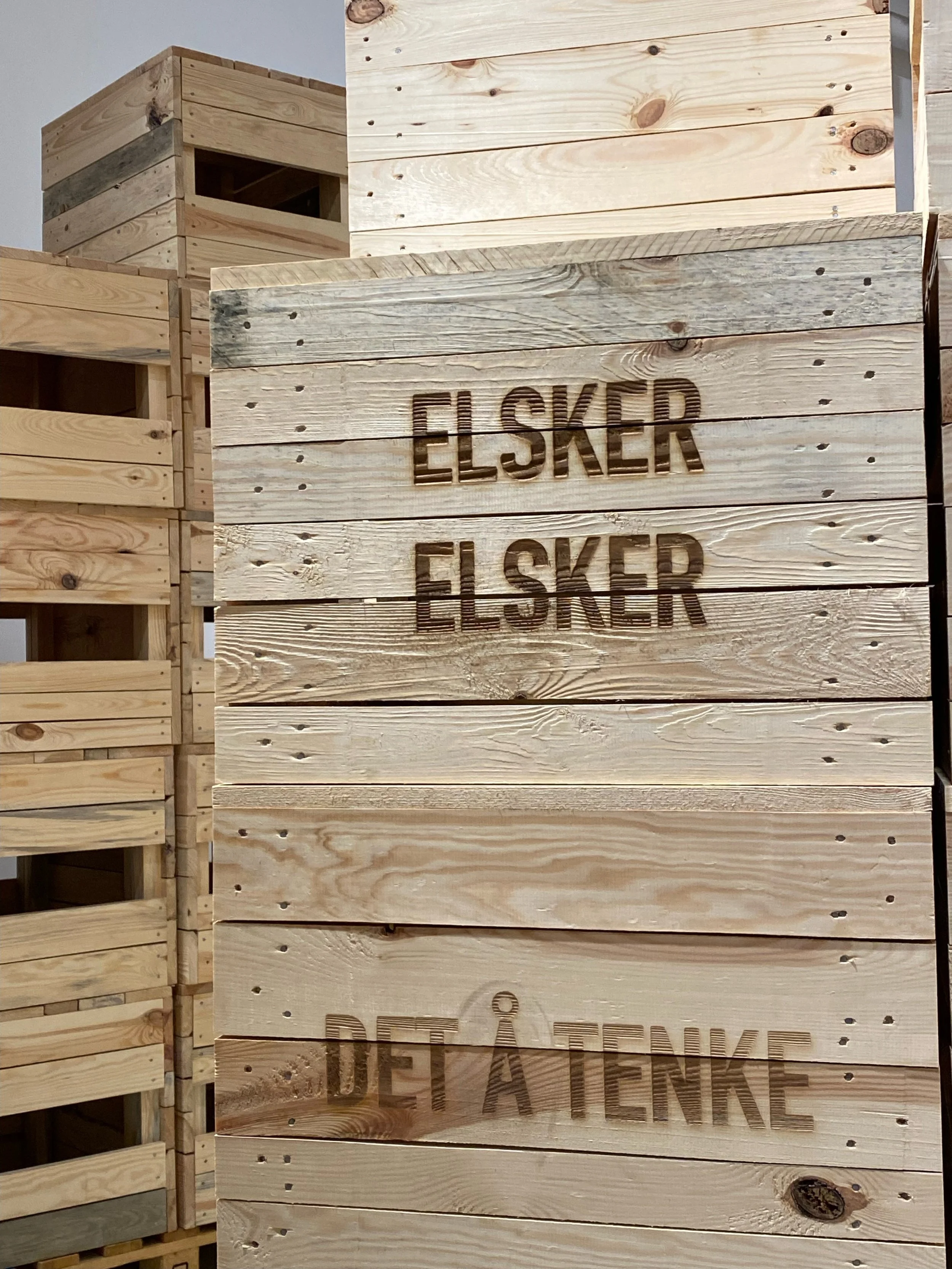
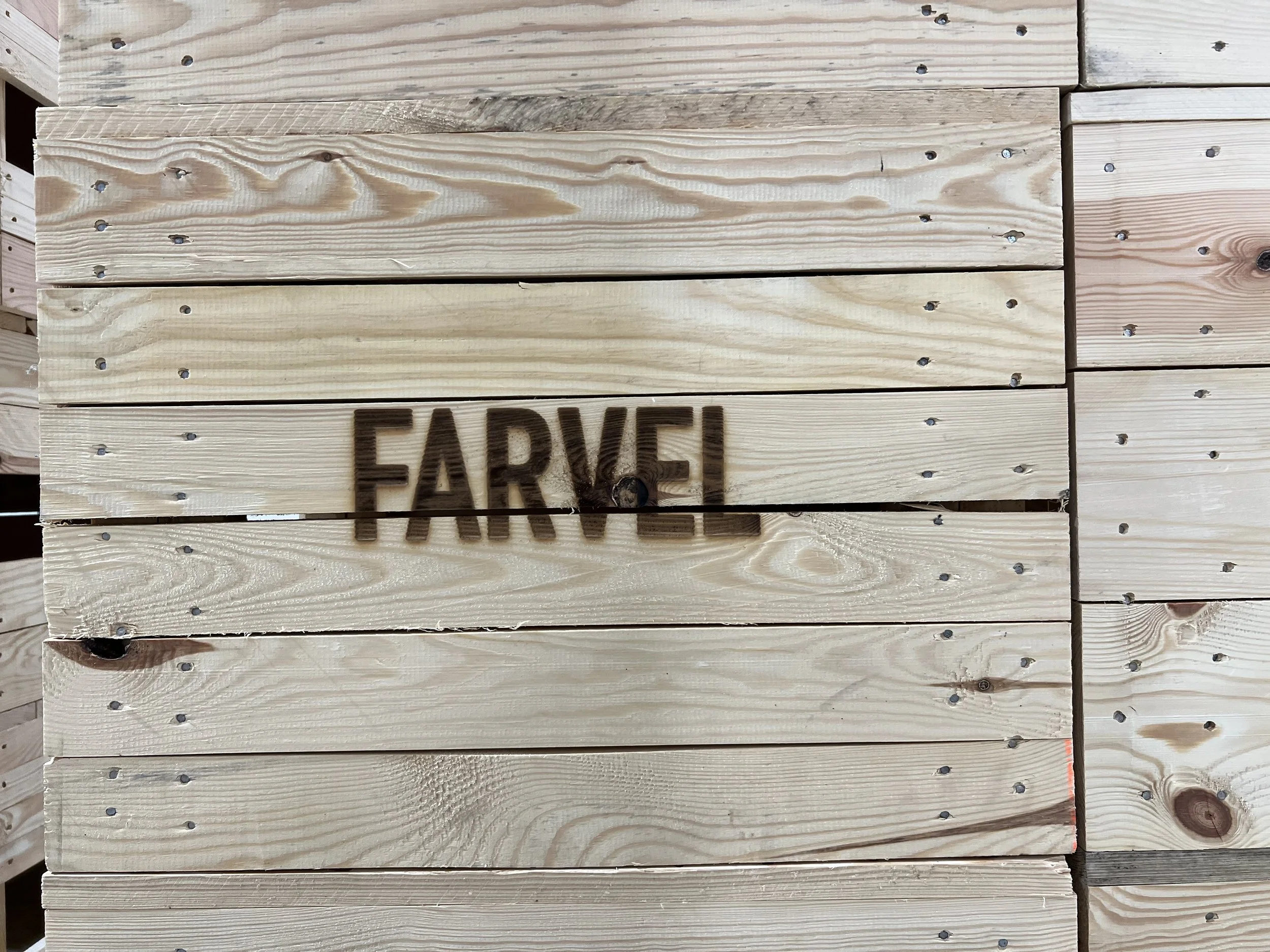
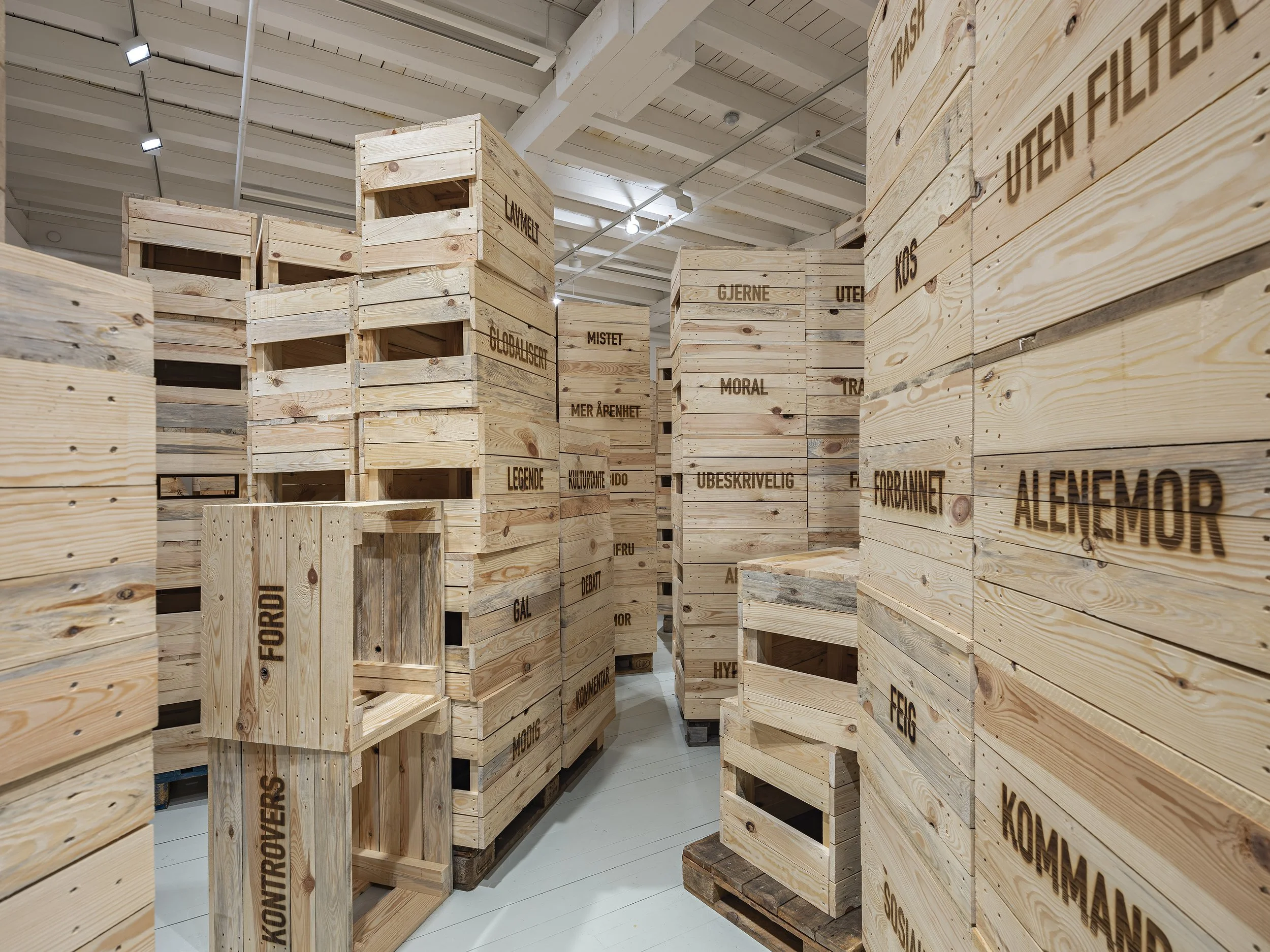
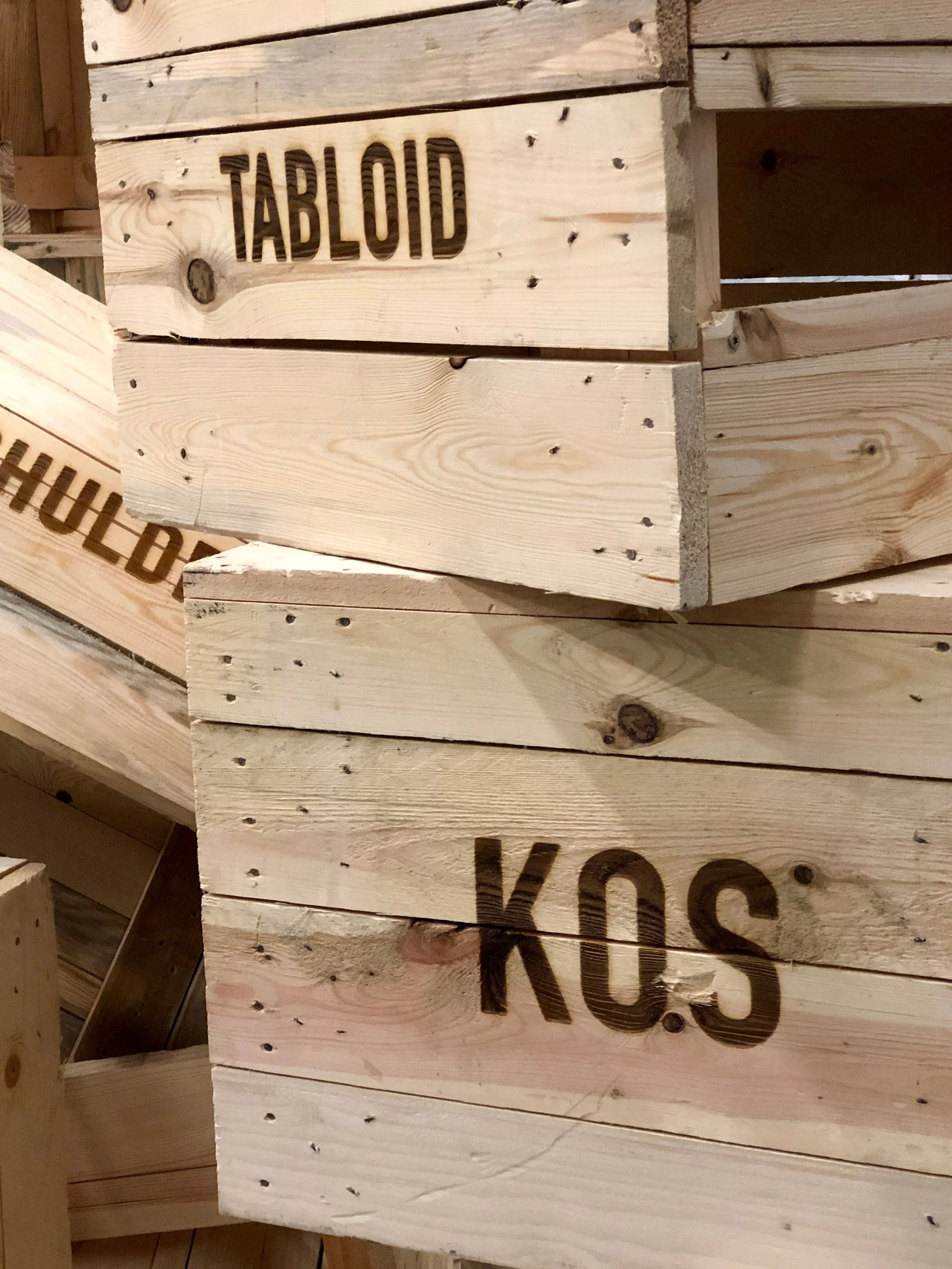
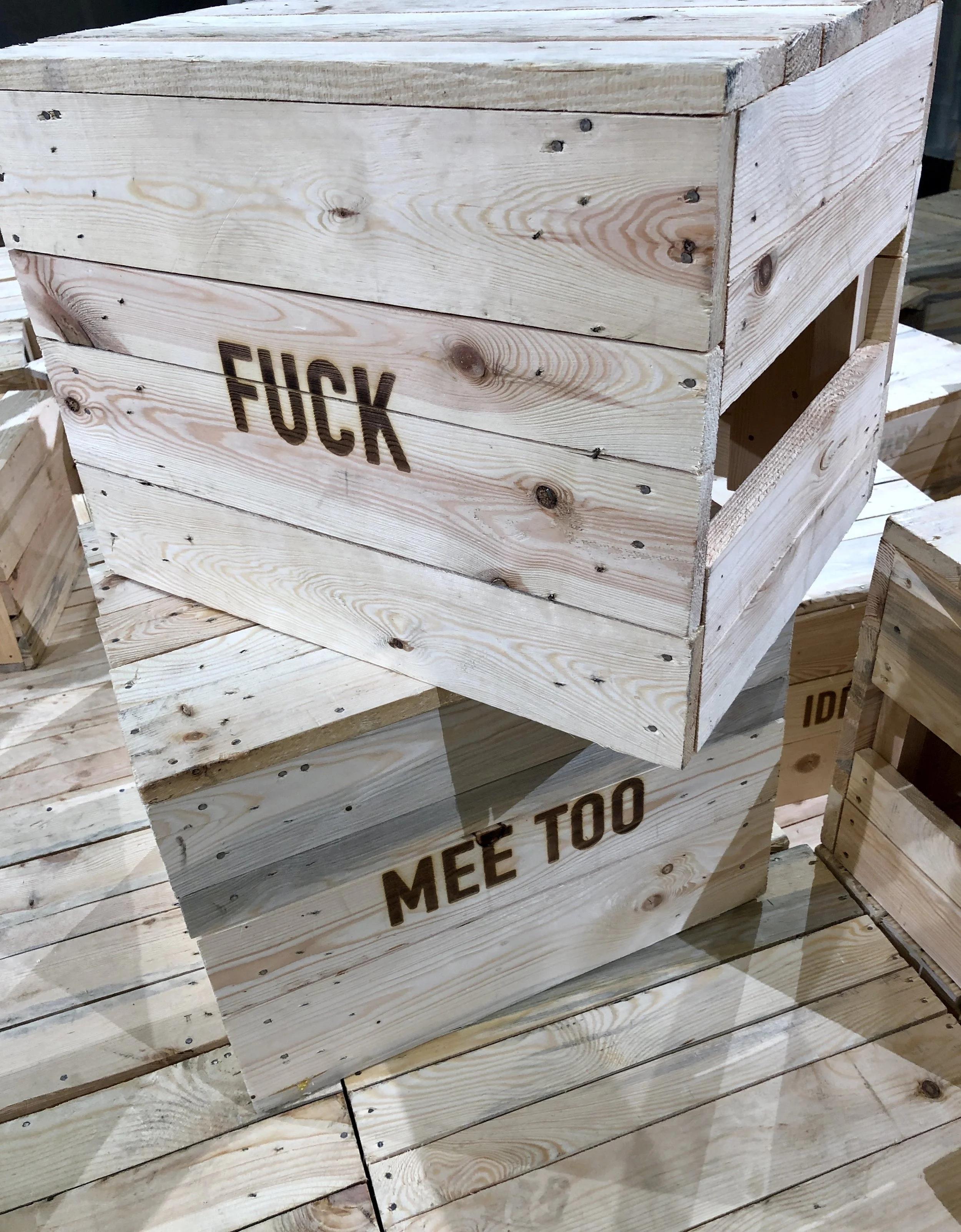
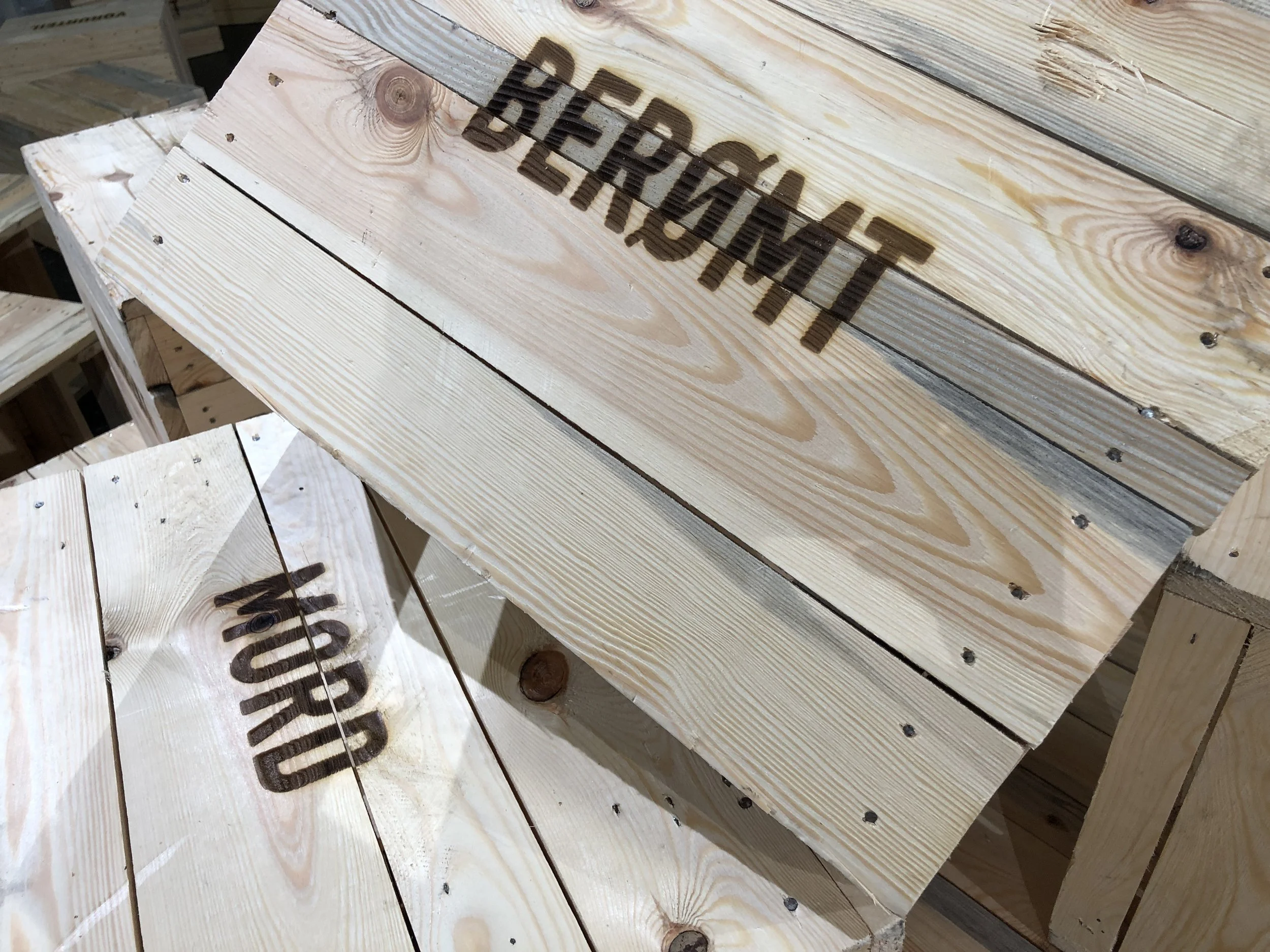
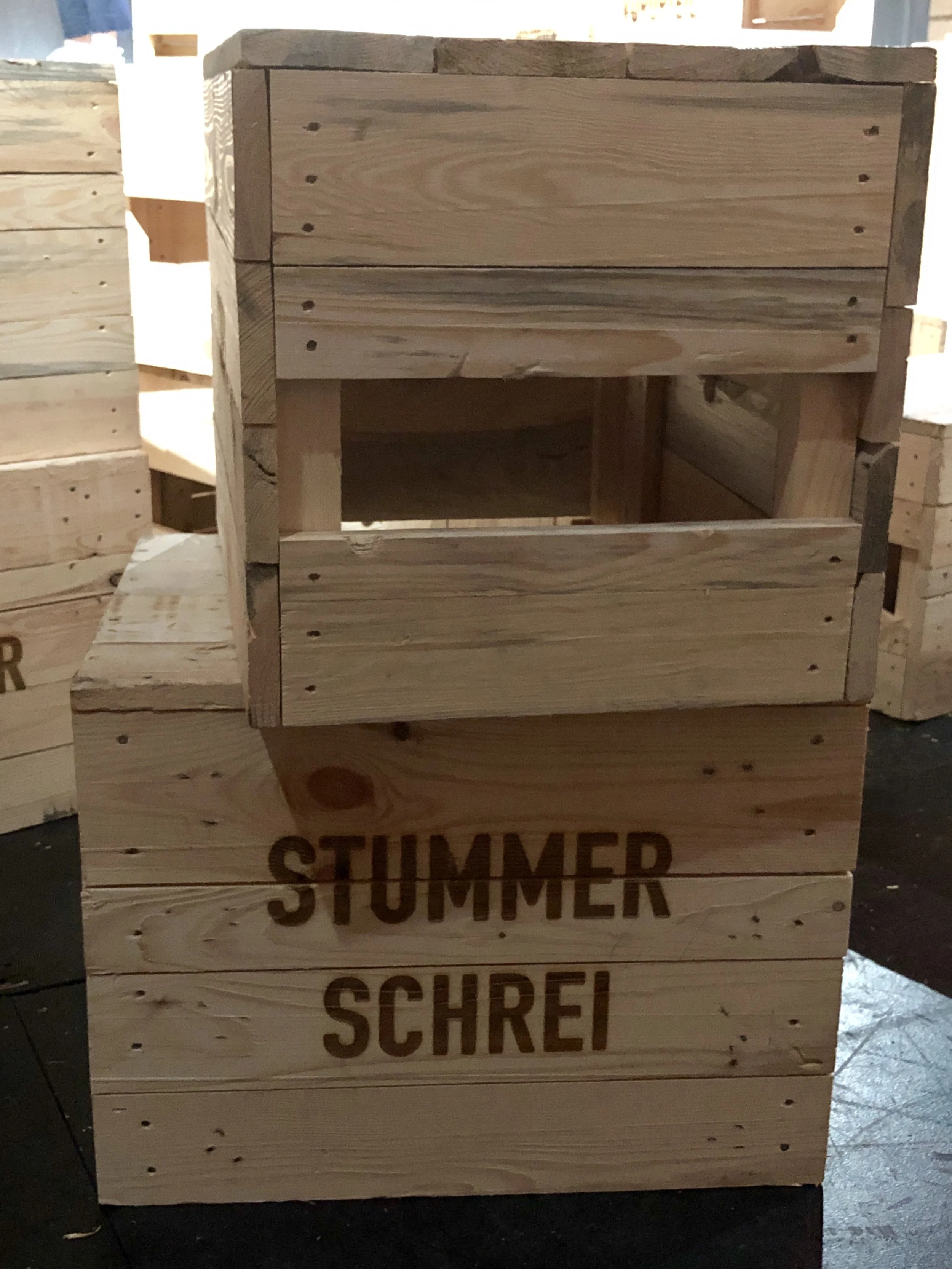
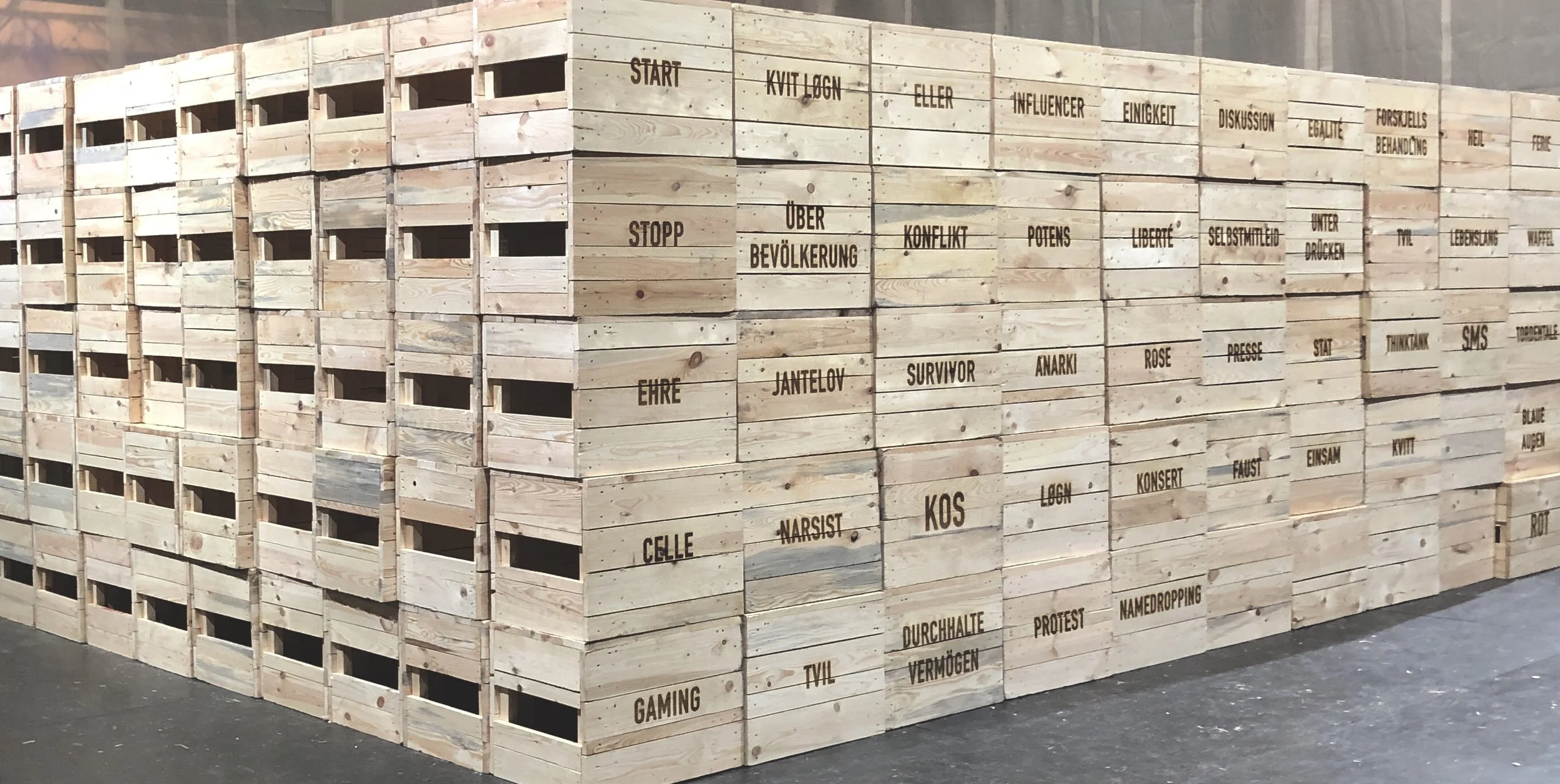
The installation fills the room with 495 handcrafted wooden boxes – one for each survivor – engraved with words and sentences. Some bear the traces of terror – violence, fear, loss – others convey dreams, values, and visions. Visitors move through a labyrinth of words, between potential lecterns ready to be used. The boxes are partly stacked, partly scattered, like a puzzle that has been attacked but can be reassembled. The audience must physically move and stack them – to create order out of chaos, and to form word pairs, meanings, resistance, and give language to feelings.
The work is a tribute to freedom of speech and to the importance of participating in shaping the values of the future – an artistic response that takes seriously the promise made after July 22: “more democracy and more openness.” The lecterns are both memorials and arenas for action – a physical and symbolic counterattack against the attempt to silence public discourse.
The very term loud speaker once referred not to a piece of technology, but to the simple act of raising oneself up so a voice could carry further. In 495 Loudspeakers, that idea becomes a collective gesture — 495 voices rising so as not to be silenced.
495 Loudspeakers was first presented as part of the theatre production Einer von uns at Schauspiel Hannover and Det Norske Teatret in Oslo, before being shown as a standalone installation at Bomuldsfabriken Kunsthall in Arendal.